

Longfellow Farm coworking the soil amid KC’s urban food desert
November 15, 2017 | Tommy Felts
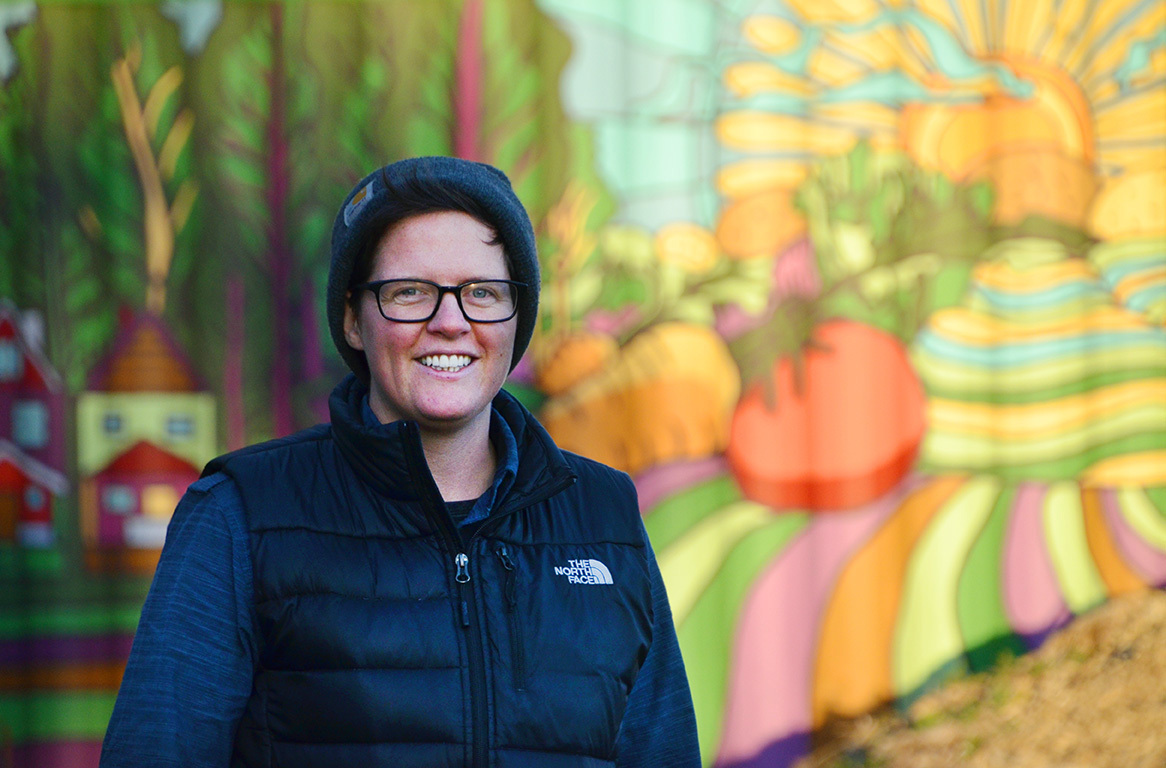
In a city ripe with coworking office spaces, there’s a hunger for similar environments outdoors, Ami Freeberg said.
As with maintaining individual workplaces, traditional urban farming also can be isolating and expensive, the Longfellow Farm manager said. By working together, however, the collaborative process allows for shared resources, greater human expertise and, of course, more hands in the soil — before, during and after harvest, she said.

Longfellow Farm
“There’s always enough for everyone,” Freeberg said. “That’s something I’m really proud of: being able to share the bounty of growing.”
And while the season now has ended, members of the farming collective are happy to welcome a new neighbor — and perhaps future partner, she said.
Longfellow Farm sits about a block west of the freshly opened 3000 Troost Ave. location of Ruby Jean’s Kitchen and Juicery, a business rightfully heralded for bringing healthy food and drink options to Kansas City’s east side, Freeberg said.
“It’s really exciting to see Ruby Jean’s going in,” she said. “I would love to see if we could dedicate a few beds to supplying something — probably not for their juice production because that’s going to be too high of volume — but maybe lettuces for sandwiches. I think that would be a really cool partnership to develop.”
Two gardens, one passion
The farm’s main site at 30th and Harrison streets took root in spring 2015 on land owned by the Longfellow Community Association. A year later, the group of Longfellow residents — led by Freeberg — was approached by Denver developer Ilan Salzberg, who wanted to see potential green space near his up-and-coming Wonder lofts project put to better use.
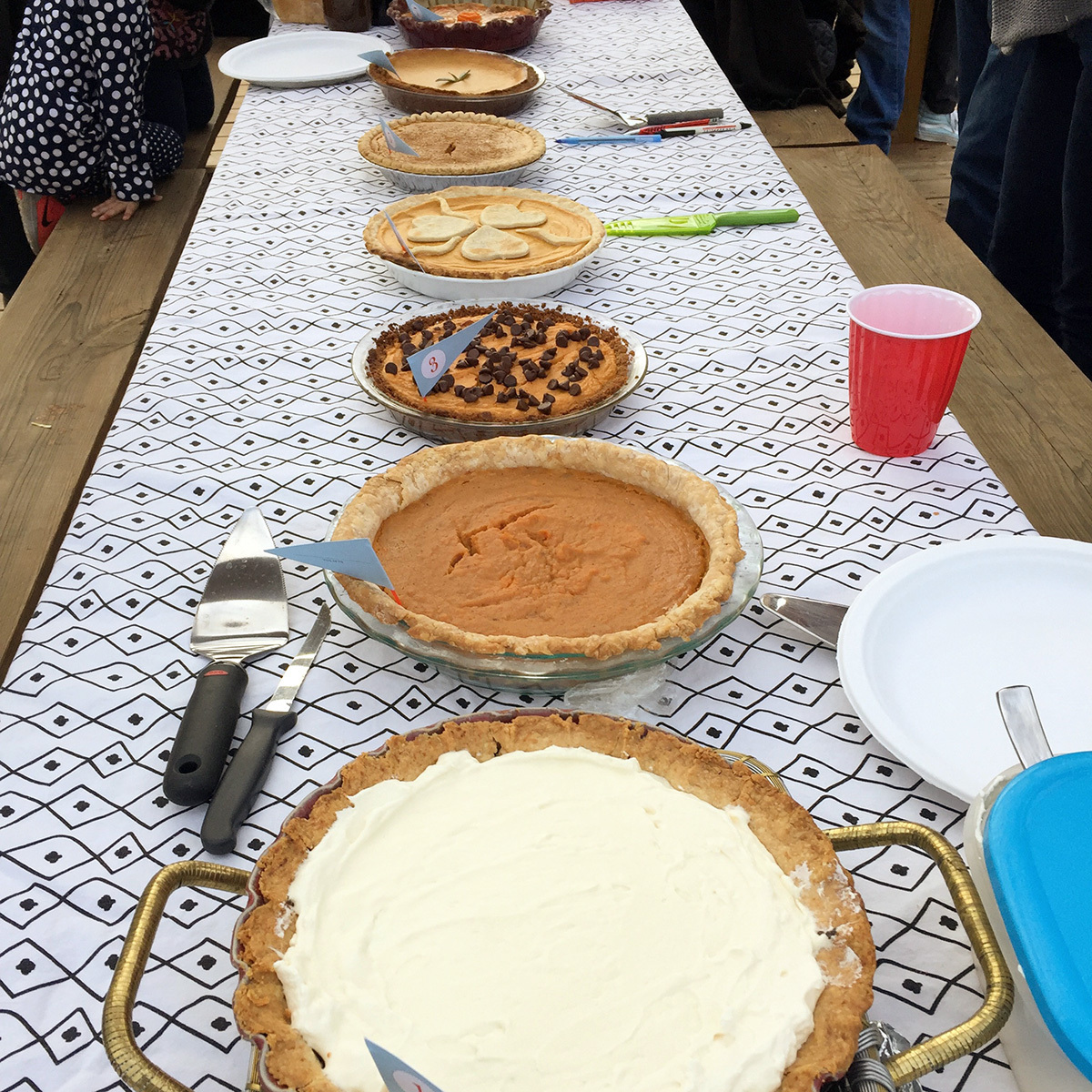
Longfellow Farm Fall Festival
Freeberg, a former community organizer and manager at Cultivate Kansas City, took on the task of managing the property, she said. Located catty-corner to the farm, it became an outgrowth of Longfellow’s existing operation.
Salzberg himself has a former life as an organic farmer, she said, having founded and operated Red Wagon Organic Farm near Boulder, Colorado, and later Ekar Farm, a Jewish faith-based community farm project outside Denver.
“It’s just something he’s passionate about,” Freeberg said. “Like me, when he sees vacant land, he thinks food should be growing there.”
The developer’s then-empty lot — directly behind what is now Ruby Jean’s — began its transformation late in the 2016 planting season. Sweet potatoes, pumpkins and squash grown at the site fed into a neighborhood fall festival with a pumpkin pie contest, as well as into Longfellow Farm’s summer-long CSA (Community Supported Agriculture shares) program.
An earlier start in 2017 allowed a wider array of produce: okra, tomatoes, peppers, eggplant, basil, native corn and amaranth, Freeberg said.
“Unfortunately the squash bugs found our pumpkins this year, so we did a sweet potato pie contest,” she said.
Sharing the work, vision
While planting begins in March each spring, activity really heats up in about June, Freeberg said. After that, 10 to 15 farmers can be found on site every weekend through the fall, she said. And not only are they working side-by-side, they’re planting and watering the seeds of a common goal.
Longfellow Farm
“Our model is a little bit different than a lot of community gardens, where you have your plot, you grow your food, and you take it home,” she said. “We are communally managed. And all the food is for that community. Everyone who participates in some way gets to take food home for free.”
The CSA program helps fund the operation, Freeberg said. About 10 shares are sold at the beginning of each season, with participants receiving a share of dirty vegetables delivered to their porches for 16 weeks (June through September).
In the future, CSA shares might include fruit too, Freeberg said. The farm is home to a Giving Grove, a program of Kansas City Community Garden, and includes cherry bushes and 14 apple, pear, jujube and fig trees, she said.
“I grew up around a big garden, and that has been such an instrumental part of shaping both my career and how I eat, how I view food and how I view the world,” Freeberg said. “I think it’s so valuable to see food growing in the neighborhood.”

Featured Business

2017 Startups to Watch
stats here
Related Posts on Startland News

$1.6M grant will create incubator for low-income, minority entrepreneurs
A large federal grant will help reanimate an older industrial building in Kansas City to serve as a small business incubator. The U.S. Economic Development Administration recently awarded a $1.6 million grant to the Hispanic Economic Development Corporation of Kansas City, Missouri. The Kansas City organization said that the grant should create about 90 new…
Kauffman report: KC ranks 28 out of 40 in entrepreneurial growth
Fewer Kansas City companies are growing to become medium- or large-sized firms, according to a report released Thursday by the Ewing Marion Kauffman Foundation. It’s a common story across the U.S., as the nation rebounds from the slump of the Great Recession, the report says. The 2017 Kauffman Index of Growth Entrepreneurship report suggests the…

Housing trends show young professionals don’t care about Troost’s stigma, UC-B says
Lance Carlton initially was skeptical of developing east of Troost Avenue, he said. “But the mentality of the market has changed,” said Carlton, co-managing partner of UC-B Properties, which brought its offices to the 4300 block of Troost in August 2016. The company helped prove an appetite for residential development on the corridor with 19…
Mac Properties plans four-corner food startup village at Armour and Troost
Mac Properties’ Kansas City arm wants to turn a “sleepy intersection” on Troost into a four-corner incubator for thriving residential and restaurant activity. The vision is to create a “food startup village” as the foundation of the development, which would bring 400 new market rate apartments to Armour Boulevard and Troost, said Peter Cassel, director…