

Likarda scaling up biotech research firm with $4M angel boost, new lab
November 7, 2017 | Tommy Felts
An animal’s diabetes diagnosis comes with a heavy burden for the pet’s owners, Lisa Stehno-Bittel said.
And it’s not just the cost of treatment, the president and co-founder of Likarda added.
“Of those who will try twice-daily insulin injections, within a year, half of those have given up,” she said. “A lot of that is because they’re doing everything they can — doing everything the vet tells them to do — and the animal is still failing. They’re going blind. They can’t hold their urine.”
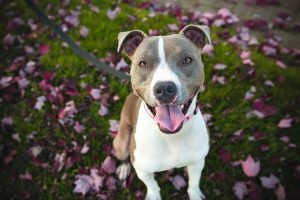
Likarda, a Kansas City biotech research startup, has developed a better way to manage diabetes in dogs, using an injectable transplant and patented coating system, Stehno-Bittel said. The product provides a minimally invasive, long-term, cost-effective treatment with less burden on owners and the pets themselves, she said.
The firm recently attracted its first angel investment — $4 million in Series A funding from Werth Family Investment Associates — and relocated to a new workspace in a former Marion Laboratories property. The moves allow Likarda to significantly scale up its operations as it prepares to take its technology to market.
“Our biggest competitor for our animal product is euthanasia. Families hear that their dog has diabetes. They can’t be home twice a day. Or maybe they travel. So what are your options?” Stehno-Bittel said.
Likarda’s cell therapy treatment works to counteract diabetes’ destruction of insulin-producing islet cells within an animal’s pancreas, said Karthik Ramachandran, vice president and co-founder of Likarda.
“There’s actually a way to take a pancreas from a donor, process out those microscopic cell clusters, and we turn it into an injectable,” Ramachandran said.
The reaggregated transplant clusters, which Likarda has patented as the “Kanslet,” can be infused into animals with diabetes annually — or more frequently, depending on the specific situation of the individual pet, he said.
“We were looking at basically reinventing the islet — taking something that’s native, but re-engineering it for success,” Ramachandran said.
Straying from the pack
An outgrowth of the Bioscience and Technology Business Center on the KU Medical Center campus, Likarda was founded in 2012. It quickly began turning a profit thanks to the firm’s work as a contract researcher for other companies — from startups to Big Pharma, Ramachandran said.
Using automated technology and the firm’s in-house expertise, Likarda is able to outsource work that customers can’t do internally because of their own manpower, financial and time restraints, he said.
“That’s really where Likarda excels as a small business: Keeping costs low and yet being able to produce a final product at a quicker rate,” Ramachandran said.
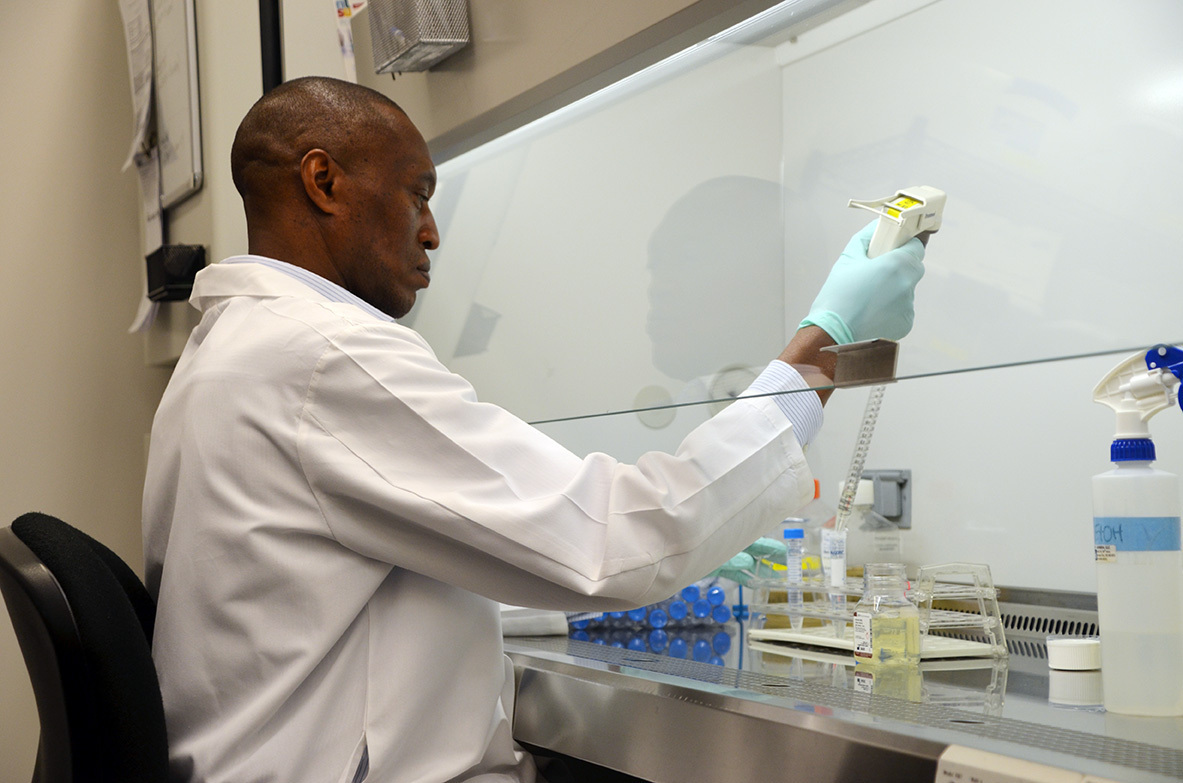
Francis Karanu, Likarda
Having that revenue stream — along with the support of family and friends — allowed the regenerative medicine firm not only to establish itself, but to develop its technologies and methods more quickly and efficiently, Stehno-Bittel said.
“You walk through that lab, and we’re not writing an app on a computer here,” she said. “There’s a ton of startup money that has to go into a company like this. And usually the runway is a lot longer to get to profitability.”
“We can’t flip a product in six months to a year,” Ramachandran added. “We have a lot scientific research that has to go into it; studies where these actually have to be put into real animals. A duration study actually means waiting out days, months, even up to a year.”
Having outgrown the space at KU Med’s incubator, the duo felt fortunate to find the Marion Labs location, which they described as the perfect fit — the right size and price — for Likarda and its seven-member team.
“There’s a lot of space in Kansas City when it comes to office space, tech space, but for scientific companies that are growing — especially in our small business world — there just isn’t much lab space,” Ramachandran said.
Future littered with opportunity
At its core, Likarda is a research and development company, Stehno-Bittel said. Its growth potential is tied to creating patented technologies that can be licensed and adapted to other processes and animals, she said.
The firm soon will begin marketing a Core-Shell Spherification method of creating hydrogel beads that can coat, for example, a cluster of transplant cells being used to treat a dog’s diabetes. The coating — in the form of a tiny, caviar-like bead — prevents the body’s immune system from destroying the transplant before it can take effect, Ramachandran explained.
“Not only can we use it for our treatments, but other companies can make large strides in bringing their cell therapies to market using our gels,” he said.
Internally, Likarda also is working to develop methods of creating its diabetes-treating cell clusters from stem cells, rather than relying on donor pancreata, Ramachandran said, which could increase production from hundreds of doses a year to thousands.
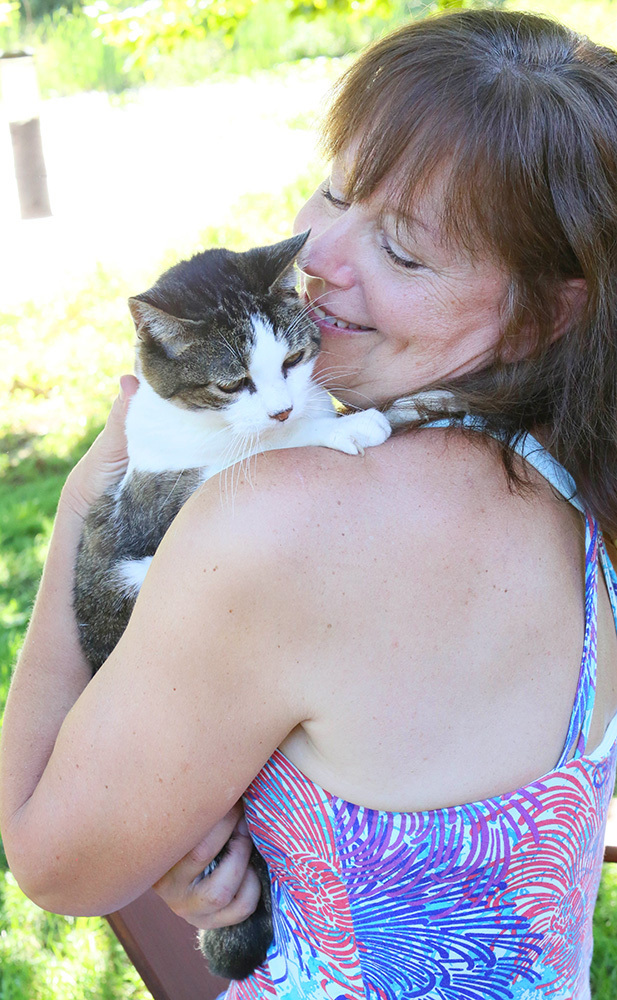
Lisa Stehno-Bittel
“One limiting factor with transplants is that you need a donor, just like in humans,” he said, noting a single transplant could require two or three donors. “We created an animal organ donation program called Cheri’s Hope. If the pet — cat or dog — qualifies for transplant-quality organs, it goes to research.”
While treatment of dogs using Likarda’s technology is approaching the final, clinical stage of research, applying the process to cats could still be six months to a year away, Ramachandran said.
“Anatomically, they’re very different. So the manufacturing process has to be modified,” he said. “Since cats aren’t used as a model for human diabetes, there just isn’t that much research out there. In fact, there were only seven research publications for feline diabetes and islet transplants in cats. There were over 700 for dogs.”
And it’s not because of a lack of need, Ramachandran added.
“Surprisingly more cats have diabetes than dogs,” he said. “More pet owners who have cats are willing to treat their cats because they live a lot longer. When diabetes is detected early, the owners are willing to put in that time and effort into treating it.”
Future research at Likarda likely could focus on other endocrine disorders in pets, like Addison’s disease and hypothyroidism — treatments for which could eventually be translated to humans, Ramachandran said.
“Sometimes I feel like the industry is overlooked because it’s animals, and everyone’s looking at ‘Well, how do we help humans?’” he said. “But animals are a multi-billion-dollar industry too, and there’s opportunity.“

Featured Business

2017 Startups to Watch
stats here
Related Posts on Startland News
ScaleUP! KC touts revenue success stories as latest small biz cohort opens applications
Growth outcomes don’t always follow entrepreneurs’ graduation from ScaleUP! KC — sometimes they come before the game-changing, no-cost program is even complete, its leaders said. Rickey Leathers made significant strides in his business, Savvy Salon — co-owned with his wife, Lenora — while enrolled in the cohort, he said. “I successfully opened a second location…
Modern-day stress triggers make life harder; getting healthy shouldn’t add to those burdens, says KC Wellness Club
The shift to focusing on wellness instead of illness should be fun, said Heath Wessling, a former wellness expert at Cerner-turned-entrepreneur, who noted sustained growth or change is unlikely if a person is unhappy with the process. “We like to find ways to show you how it’s not a drag,” said Wessling, founder and owner…

Give them a drink, get to the real: This craft KC podcast serves entrepreneur vulnerability
Two Kansas City entrepreneurs hope to amplify the voices of local change makers by getting them behind the microphone with a drink in their hand. The Behind the Bar with Ashley and Hailee podcast sees co-hosts and friends Ashley Kendrick and Hailee Bland Walsh welcome their fellow Kansas City entrepreneurs into Kendrick’s basement for a…
A sneaky wink in each brutal piece: How one artist’s work paints his reality within a world of big, heavy events
Emerging Kansas City contemporary artist Addison “A.L.” Parrish believes that to create a work of art, he must first observe and understand the world around him. “I feel like, as an artist, my main job isn’t necessarily painting,” Parrish said. “It’s seeing and being — not detached — but in a neutral state of observation.”…