Hip hop entrepreneur: Rap stardom isn’t the only way to a paycheck
November 1, 2017 | Tommy Felts
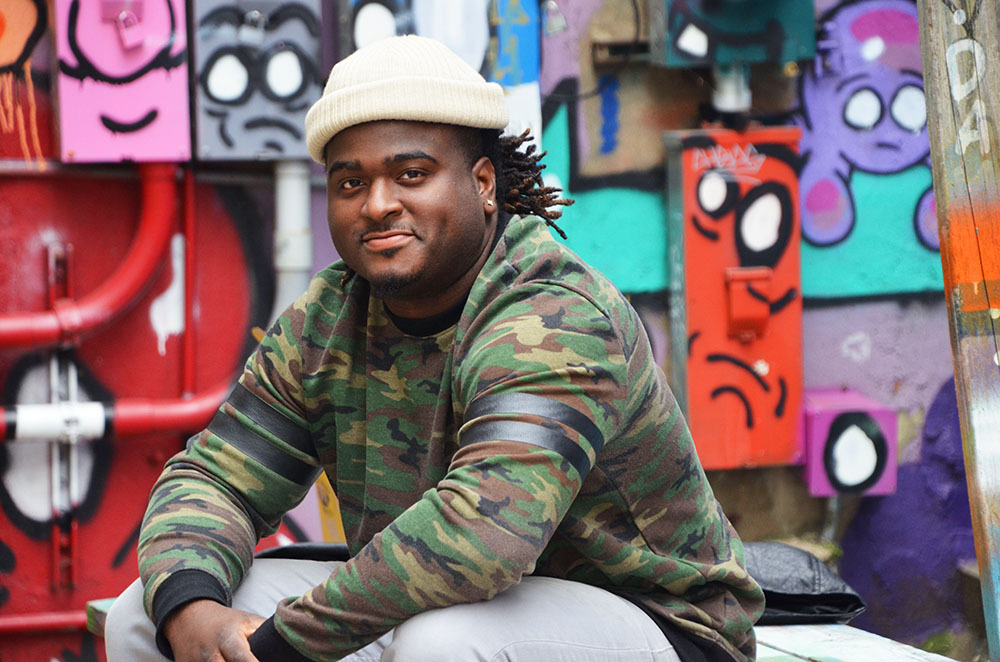
Music is everything, Kartez Marcel said.
It’s an avenue to express anger and hurt in a positive way. It’s a way to heal. And for aspiring entrepreneurs, it’s an opportunity to earn a paycheck even if they aren’t destined for on-stage superstardom, said Marcel, a Kansas City rapper and hip hop industry mentor.
“Everybody wants to rap, but that doesn’t last that long,” he said. “The average rapper may last, if you’re lucky, five years at their highest. What happens after that? Well, there’s a lot of things: You could go into management, producing, engineering and all kinds of things.”
While active in the Kansas City hip hop scene, Marcel makes his living mostly through work as the AV director for a local church, as well as doing lights and audio for concerts and other events, he said. He previously operated an automotive startup, Flipped Auto Sport, through which he focused on custom audio systems, Marcel said.
“I’ve gone from tuning amps in a car to tuning amps to a PA system,” he said, laughing. “It’s all music.”
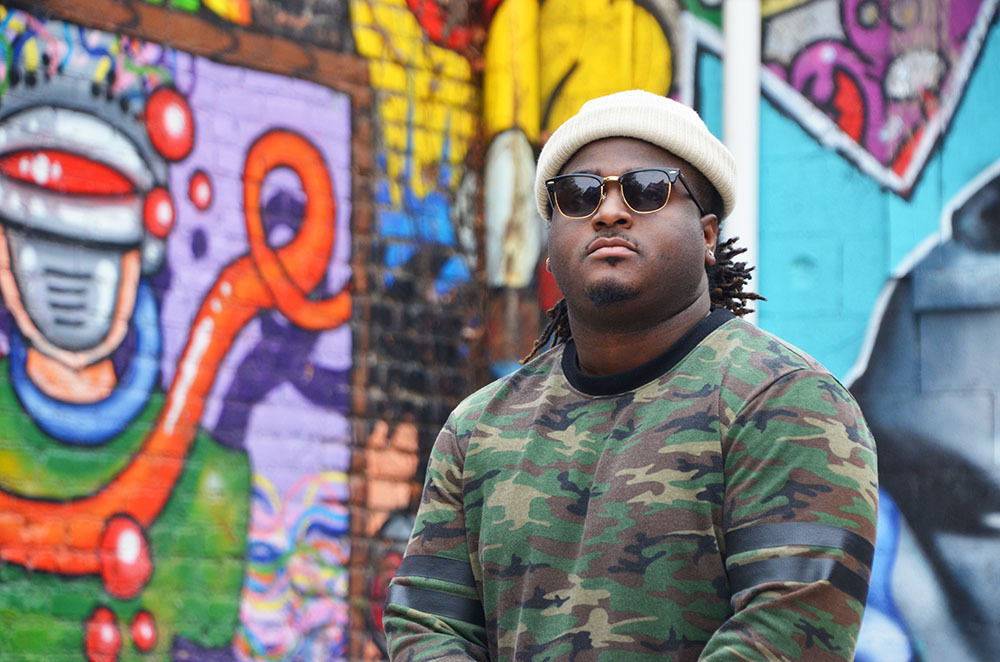
Kartez Marcel
Focusing on the business side allows him the freedom to continue to pursue his rap career without depending on income from it to survive, Marcel said.
“You can tell your story, but you can also make money and provide for your family,” he said.
It’s a lesson he shares with Kansas City youth through We Are RAP (Real and Positive). A startup business designed with an eight-week curriculum, We Are RAP shows kids interested in hip hop not only how to write and rap, but also ways to take advantages of other opportunities in the industry, Marcel said.
“They get a chance to rap and sing — whatever they’re inspired to do — but we’re also teaching them the entrepreneurship side of it,” he said.
Marcel and fellow Kansas City rapper Royce “They Call Me Sauce” Handy welcome youth to We Are RAP through contracts with such community programs as Kansas City No Violence Alliance’s Teens in Transition and Mayor Sly James’ Club KC. The duo then works with kids to expand beyond stereotypes of cursing and degrading women in their lyrics.
“We try to show them that there are other words, different literary techniques,” he said. “We have youth who come in and want to cuss. When we tell them they can’t, they say, ‘Well, I don’t know what else to do.’ I say, ‘You have a bigger vocabulary to use.'”
Marcel and Sauce want the teens to help break the negative stigma some people associate with hip hop culture and rap, Marcel said.
“And it still can be good music,” he said. “You’d think it might be corny then, but it’s not. It’s still competitive and something the industry respects.”
A group freestyle, or cypher, video written, rapped and produced by the youth in this summer’s TNT class serves as a good example of what the students can learn, achieve and share through We Are Rap, Marcel said.
“They’re really talking about things that affected them in their lives. They’re talking about their struggle. What does that mean to them?” he said. “Some of these kids have parents who left them, and all kinds of things. They’re expressing themselves, but you can also see in their faces that they’re getting joy from letting that out.”
Inspired by (but overcoming) darkness
It would have been easy for Marcel — whose full name is Kartez Marcel Addison — to have taken another path, he said.
He moved back to Kansas City from Texas in 2006 to live with his older, adult siblings, Kevin and Markesha. About six months later, 19-year-old Marcel experienced a tragedy that would help shape his future for years to come.
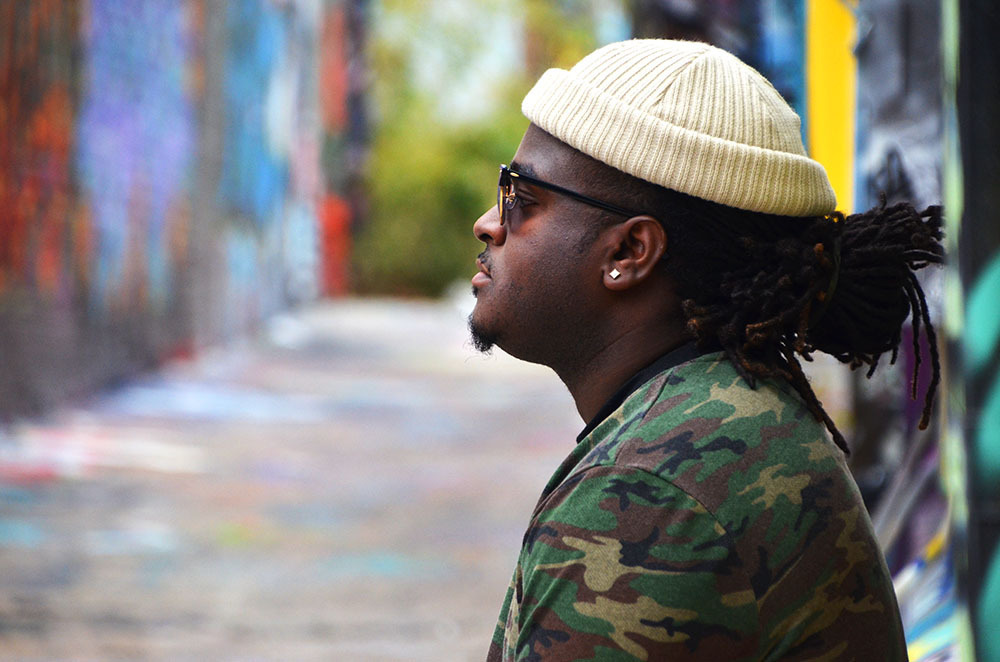
Kartez Marcel
His brother was shot in March 2007 while intervening between a man and woman who were fighting, according to media reports. The shooting was just blocks from Ruskin High School, which Marcel previously attended. Kevin Addison, 23, was later pronounced dead at the hospital.
“He was really supportive and a real role model in my life,” Marcel said of his brother. “Surrounded by so much chaos, he was one of the only people who kind of had his head on straight.”
Marcel turned to hip hop as an outlet. He had been inspired since childhood by family members in the recording industry — his cousin, Tyrone Yarbrough, was a member of the award-winning, early 1990s R&B group Lo-Key, and another cousin, Mike Mosely, was a super producer who worked with 2Pac and E-40, Marcel said.
“So instead of going left, which is going dark, thoughts of retaliation and anger, I just decided to express myself through music,” he said.
Largely self-taught, Marcel initially gained experience in producing and engineering through trial and error, watching YouTube videos and a little formal schooling, he said.

“But behind the scenes — because I was scared to put my music out — I was always a writer,” he said. “I was always a rapper.”
His first professionally produced video — for a song called “I Can’t Hear You” — came at the urging of a friend, Clarence Lomax, who recorded it, he said. The video debuted before Marcel’s turn away from cursing in his lyrics, but it serves as a time capsule of his life at the time, expressing vulnerability mixed with defiance.
“The song was wack, but it was what I felt. And people liked it. I was surprised,” he said. “It didn’t have viral success, but at least on the local level, people were like, ‘Hey, you’ve really got something. You should keep going!'”
Building the culture
Today, Marcel is planning for the future.
He released an album, “Unfinished Resolutions,” in January with friend and frequent collaborator Sauce, followed by a new solo record, “Over Moons,” in May. More music is on the way, he said.
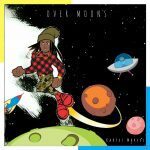
“Over Moons,” by Kartez Marcel

“Unfinished Resolutions,” by Sauce and Kartez Marcel
“I consider music therapy,” Marcel said. “Look at what it did for me when I was at my darkest point.”
He raps about life, frequently referencing his wife, Jamie, and struggles he continues to battle.
“My style is a mixture of hip hop and R&B. It’s melodic,” he said, “It’s relatable and thought-provoking, but yet catchy enough to not be corny. It’s dope.”
And it’s keeping him busy outside his day job.
We Are Rap is slated for a spring partnership with Mid-Continent Public Library. Marcel is planning to participate in the Urban Plug for Multicultural Startups and Young Entrepreneurs event Nov. 15 during Global Entrepreneurship Week in Kansas City. And a monthly hip hop artist showcase organized by Marcel and Sauce continues to draw a crowd, he said.
“The idea is to get our music out, but we also want to highlight other artists who are doing their thing in the city,” Marcel said, describing the “Rap Asylum” showcase.
Returning every second Wednesday at the Westport Coffeehouse Theater, Rap Asylum features one Kansas City producer, one local artist and 30 minutes for open mic hip hop, in addition to performances by the organizers, he said.
“There’s no other open mic hip hop platforms in the city,” Marcel said. “There are open mic opportunities all over the place, but there are none that are well-organized and hip hop-driven.”
The next Rap Asylum event is set for Nov. 8.
Kansas City is only now beginning to embrace hip hop culture, as leaders realize its ability to communicate with young people in an impactful way, he said.
“They’re saying, ‘We have to see what we can do to reach youth through the mediums that they use. If hip hop is one of them, we’re going to have to support it,'” Marcel said. “Hip hop culture, as it relates to an older generation’s thoughts, is starting to shift quite a bit. Hip hop started in the late ’70s. But now it’s infused in everything, from the clothes that you and I have on, to all different genres of music.”
Artists can work together to help build a positive culture within the Kansas City community, he said. Marcel and a collective of four others — Sauce, Duncan Burnett, Khrystal and Love, Mae C — recently began performing as n u b l v c k c i t y.
“We felt like our music vibed together really well,” he said. “Our messages are similar. Our thoughts about music and the culture are very similar.”
After playing their first show a few weeks ago at the Record Bar, members of the collective are set to perform Nov. 11 at the much-anticipated opening of Ruby Jean’s Kitchen and Juicery at 30th Street and Troost Avenue.
Marcel values the entrepreneurial spirit that powers people — like himself and Ruby Jean’s owner Chris Goode — through adversity, he said.
“I love supporting people who are trying to do something positive,” Marcel said. “Chris is pursuing his dream. He had an idea and he didn’t let anybody stop him.”
Tommy Felts
Tommy is editor-in-chief for Startland News, a Kansas City-based nonprofit newsroom that uses storytelling to elevate the region’s startup community of entrepreneurs, innovators, hustlers, creatives and risk-takers.
Under Tommy’s leadership, Startland News has expanded its coverage from a primarily high-tech, high-growth focus to a more wide-ranging and inclusive look at the faces of entrepreneurism, innovation and business.
Before joining Startland News in 2017, Tommy worked for 12 years as an award-winning newspaper journalist, designer, editor and publisher. He was named one of Editor & Publisher magazine’s top “25 Under 35” in 2014.