

Happy Food Co. packs outside-the-box flavor into locally sourced meal kits
November 30, 2017 | Tommy Felts
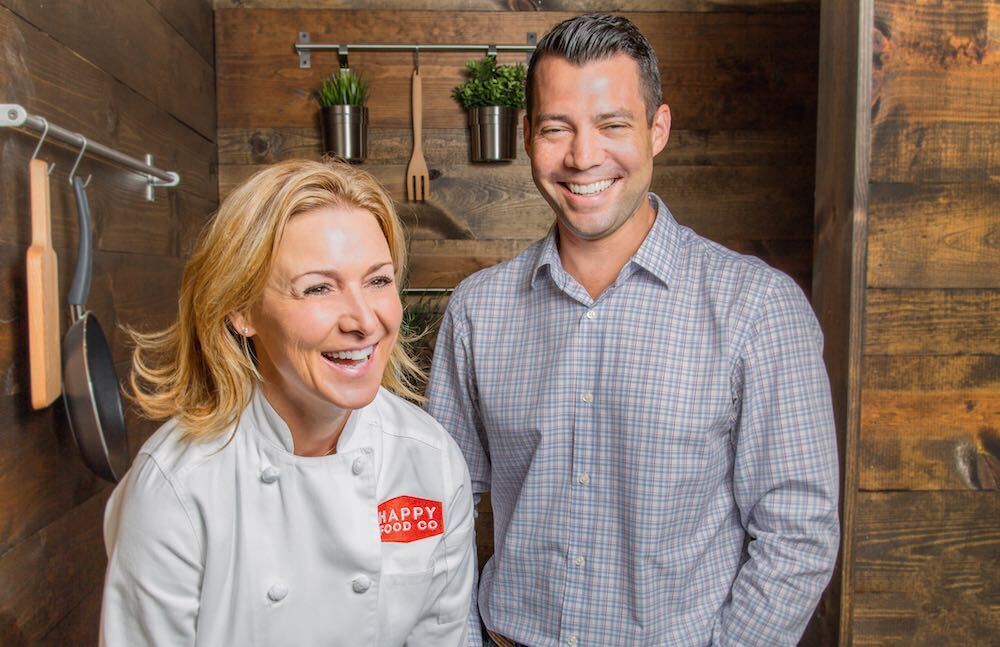
Finding the right mix of flavors for Kansas City’s pallette has been a trial-and-error effort for Happy Food Co., Jeff Glasco said.
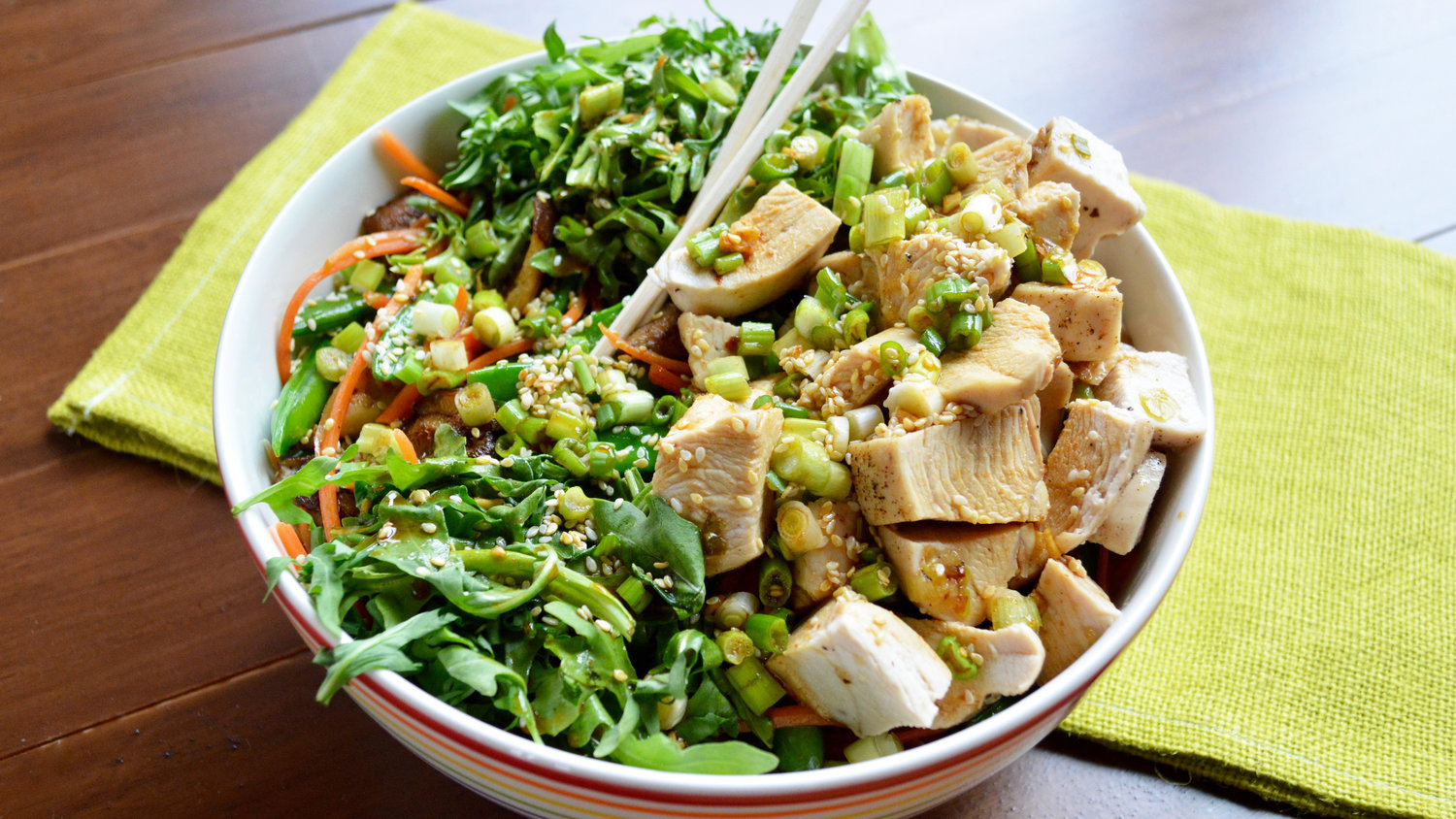
Soba noodle bowl with hot sesame chicken, Happy Food Co.
The Olathe-based direct-to-consumer meal kit company offers about 20 easy-to-prepare dinners infused with bold spices and outside-the-box local ingredients. Customer favorites include a bison cheeseburger quesadilla, butter-basted salmon, and soba noodle bowl with hot sesame chicken, said Glasco, CEO and co-founder of Happy Food Co.
One of those favorites, however, wasn’t an immediate success, he said.
“When we first launched the soba noodle bowl, it didn’t sell that well, but every time we ate it, everyone on the team just absolutely loved it,” Glasco said. “We were like, ‘This is going to work.’ So we left it out there on the market, and slowly it grew a cult following.”
Such persistence doesn’t always translate to a winning dish with customers, he said. Three tries at marketing a meal kit showcasing a light white fish cooked with lemon in parchment paper failed to catch on, despite the team’s best efforts, Glasco said.
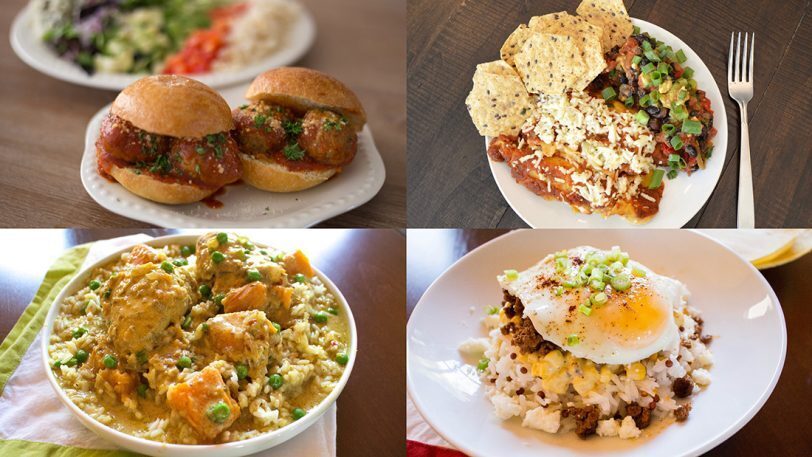
“We made some mistakes along the way,” he acknowledged. “But now what we have is a selection across various proteins: beef or bison, pork and poultry, seafood and vegetarian options. We also have degrees of sophistication in the meals. Some are within more of a simple menu. Others are in more of a chef-select framework, a little more gourmet.”
Charcuterie meal kit, Happy Food Co.
One of Startland News’ 2017 Under the Radar Startups, Happy Food Co. is featured on Startland’s 2017 Gift Guide.
For the holidays, the company is planning to experiment again — this time with a trio of party kit options, Glasco said. Dips and spreads, charcuterie, and decorate-your-own cookie kits will be available for hungry customers.
Powered by the recipes of Kiersten Firquain, Happy Food Co. chef and co-founder, the whole range of meal kits feature a farm-to-table style and seasonal sourcing, as well as exotic flavors.
“Kiersten goes out of her way to incorporate ingredients that are interesting,” Glasco said. “Honestly, some of them are things I’m using for the first time.”
How does it work?
Rather than following the subscription model of such services as Blue Apron and HelloFresh, Happy Food Co. meal kits are sold over the counter, at select Hen House and Price Chopper stores and other retailers in the Kansas City area.
“All the reasons people fall off the other meal kit services are the reasons we exist,” Glasco said. “Our service is designed as real food for real people. Real people’s lives aren’t built for a subscription service. There’s too much variability.”
Subscriptions often result in meals that go uncooked and ultimately are wasted, he said. Customers shouldn’t have to plan their lives around making sure meal kits get cooked and eaten, Glasco said. The meal kits should be easily available to them when they haven’t planned — a niche Happy Food Co. happily fills.
“We don’t expect people to buy more than one or two at a time. You don’t want to find yourself in a spot that you’re letting food that you’ve invested in go to waste,” he said. “We want to be that tool in your tool belt — once or twice a week for our most loyal customers.”
Having launched on the market in early 2016, the company now has demand for retail space in 80 stores across the region, Glasco said, though Happy Food Co. is deliberate about how it expands.
“To our knowledge, we are the longest serving and biggest retailer of meal kits that sell on demand in grocery stores. It’s pretty unique in terms of our footprint,” he said.
A driver of that success is the meal kits’ simplicity itself, with pre-cut, pre-portioned ingredients, Glasco said.
“The cook times for us are a lot lower than what you’re going to get if you do it all yourself,” he said. “What we found was a sweet spot was those meals that pack a lot of flavor — restaurant quality meals — that are super simple to cook. Anywhere from 15 to 20 minutes, then cook, and they’re on the table.”
A business that doesn’t fit into a box
Flavors are just part of the equation, Glasco said.
“This is a really complicated business model. There are a lot of variables to control,” he said. “Think about the supply of a grocery store: meats, seafood, produce, general ingredients, and most of that has a ticking clock on it. We have that same challenge, but we have our own unique processing, packaging and kitting issues.”
For example, defining exactly what kind of Food and Drug Administration category Happy Food Co. fits into didn’t come easily, Glasco said.
“Are we a restaurant? Are we a grocery store? Or are we a food retailer? A food wholesaler? It’s tricky to navigate the food requirements as a startup. There is no one-stop source of answers,” he said. “Now we have firm understanding of where we fit.”
Maintaining the right practices related to allergens, food safety and temperature control are key components, as is determining how much of the process Happy Food Co. actually touches, Glasco said.
“A lot of it is making conscious decisions about what we source, as well as what we do and don’t do,” he said. “We do not handle meat in the business, which means we do not have to be USDA certified. We work with suppliers and specify our needs.”
Kits are packed at Happy Food’s Cedar Creek Shop in Olathe. A former gas station, the obscure site is the company’s best-selling location, Glasco said. It also is conveniently located next to a liquor store, he added.
“You can come in, get dinner. Grab some wine. You’re set,” Glasco said. “What else do you need?”

Featured Business

2017 Startups to Watch
stats here
Related Posts on Startland News

Couple with tech, startup background embraces risk-taking as new Pitch owners
Local ownership of The Pitch will preserve the Kansas City alternative news publication’s voice, as well as expanding digital content for readers, and promotions and services for advertisers, Stephanie Carey said. “I love the independent voice. I love the fact that we can push those boundaries, push the envelope on stories, dig a little deeper,”…
Cultural differences contribute to entrepreneur access gap, Porter House founder says
Early education about entrepreneurism and the resources available aren’t typically priorities in low- to moderate-income communities, said Daniel Smith. “A lack of access results because we don’t really have a lot of programs in our communities that focus on small business and entrepreneurism,” said Smith, founder of The Porter House KC. “It’s more focused on…

Missouri, Airbnb announce revenue-sharing state sales tax deal
As Kansas City wrangles with its own short-term rental rules, Airbnb and the Show Me State announced an agreement Wednesday that will allow the home-sharing giant to collect and remit taxes on behalf of 6,300 Missouri hosts. Effective Feb. 1, the tax agreement with the Missouri Department of Revenue adds a state sales tax — now…

FEWDM drops high-tech fitness devices, pivots to workout apparel
Not every promising startup venture can keep the ball moving toward the end zone. It’s a lesson FEWDM founder Tommy Saunders says he’s blessed to have learned — despite the bittersweet turn for the former Detroit Lions receiver’s company. “We have a strong brand that our customers connect with and have grown to love,” Saunders…