

BoysGrow teaches urban youth entrepreneurship through farming
September 15, 2017 | Tommy Felts
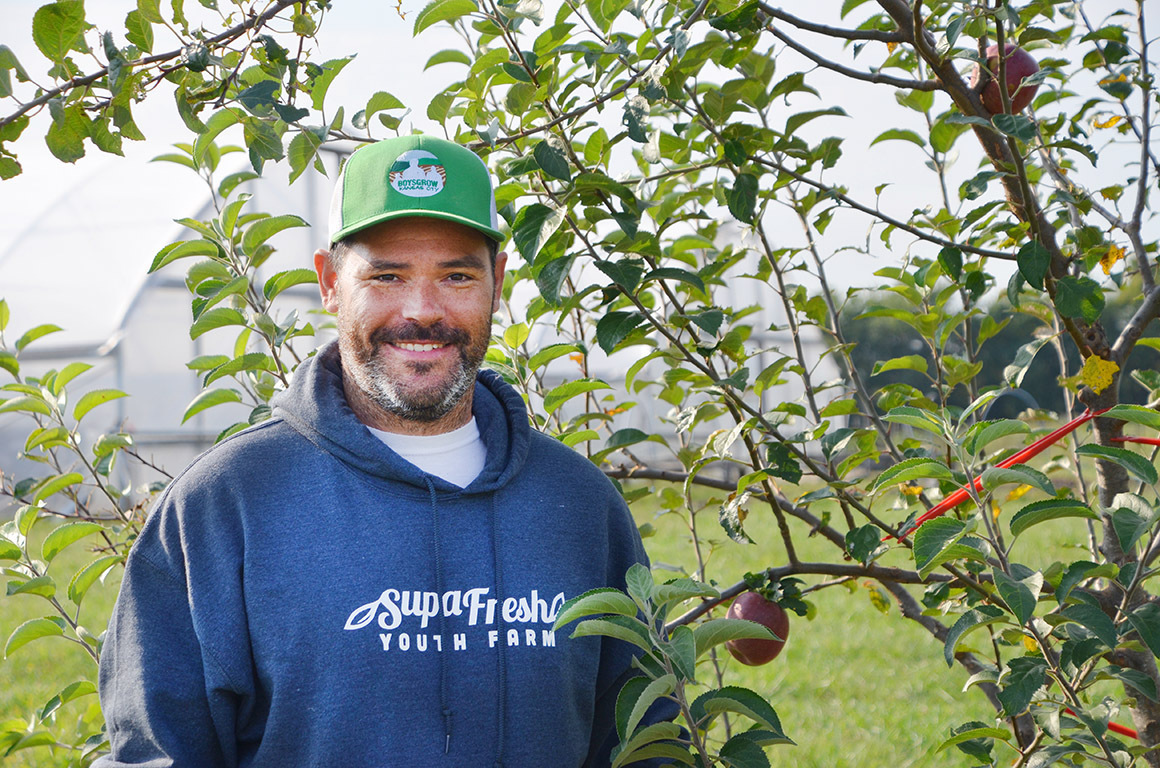
BoysGrow, a mentoring program that teaches urban Kansas City boys entrepreneurship through hands-on agriculture, isn’t successful based on what the teens harvest, John Gordon Jr. said.
It’s all about the soft skills they learn on the South Kansas City farm.
“These boys are young,” said Gordon, founder of BoysGrow, noting the two-year program accepts students when they’re 14. “Our main job is to create a better work ethic before they leave. We’re a nonprofit and we run a functional farm. But working on the farm and getting stuff done here isn’t the main thing we’re trying to accomplish.”
Photo courtesy of BoysGrow
BoysGrow strives to teach such skills as communication, courtesy, flexibility, integrity, positive attitude, professionalism, responsibility and teamwork through two classes of 15 to 20 teens each.
Teens who are accepted into the program are bussed to the 10-acre plot from downtown, which is about a 25-minute trip, Gordon said.
“The young guys come out here and work, and get paid,” he said. “They learn about entrepreneurism through selling produce and creating products for local restaurants.”
A few of those restaurant partners will be on hand this weekend for BoysGrow’s first Fall Farm Festival, which Gordon described as a casual Sunday afternoon on the farm. The event is set to feature a tent with small bites from such Kansas City mainstays as Novel, Pot Pie, Westside Local, Paradise Lockers, KC Canning Company and Shatto Milk (think ice cream).
Local Pig is planning to offer chili, Third Street Social is providing Korean steak tacos, and Lidia’s Kansas City is serving up wild boar ravioli, Gordon said. Chef Lidia Bastianich herself will be on hand for a VIP meet-and greet experience.
“I really love BoysGrow because it brings kids from the city and puts them in touch with the earth,” Bastianich said. “… And doesn’t stop there. It turns them into entrepreneurs. They have an almost 360-degree view of growing, picking and selling food to the public.”
Sunday’s fundraiser event — also set to feature a Martin City Brewing bier garden, live music, yard games and a kids zone with a bounce house, face-painting and petting zoo — is open to the public, though Gordon said general admission tickets likely will sell out beforehand.
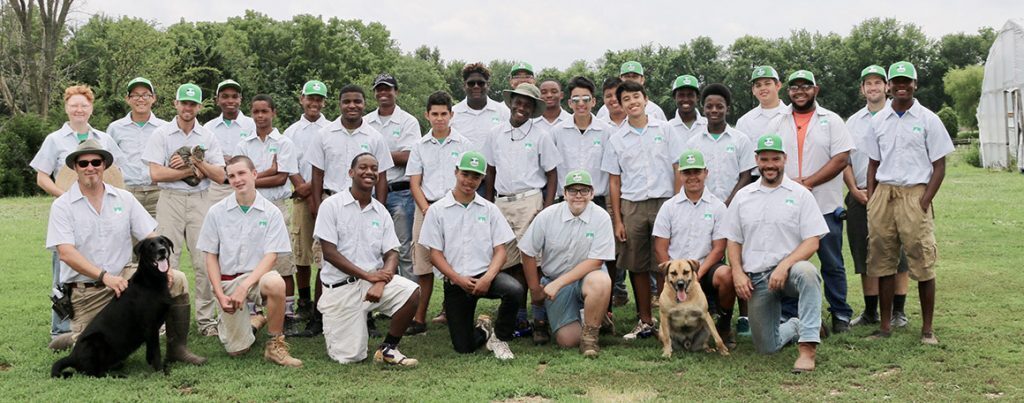
Photo courtesy of BoysGrow
Why boys?
It’s a question Gordon has been asked frequently since the farm program began in 2010, he said.
“The stats are still pretty much consistent: We’re losing our teenage boys faster than our teenage girls. From incarceration to drop out rates across the board, our boys are struggling a little more,” he said. “And we wanted in particular to focus on boys who might not have a traditional living situation, to provide some mentorship they might need outside the home.”
Boys are selected through an application process and generally drawn from a network of charter schools, community centers and word of mouth, Gordon said. They agree to work three days a week during the summer and twice a month during the school year, graduating from the program when they’re 16.
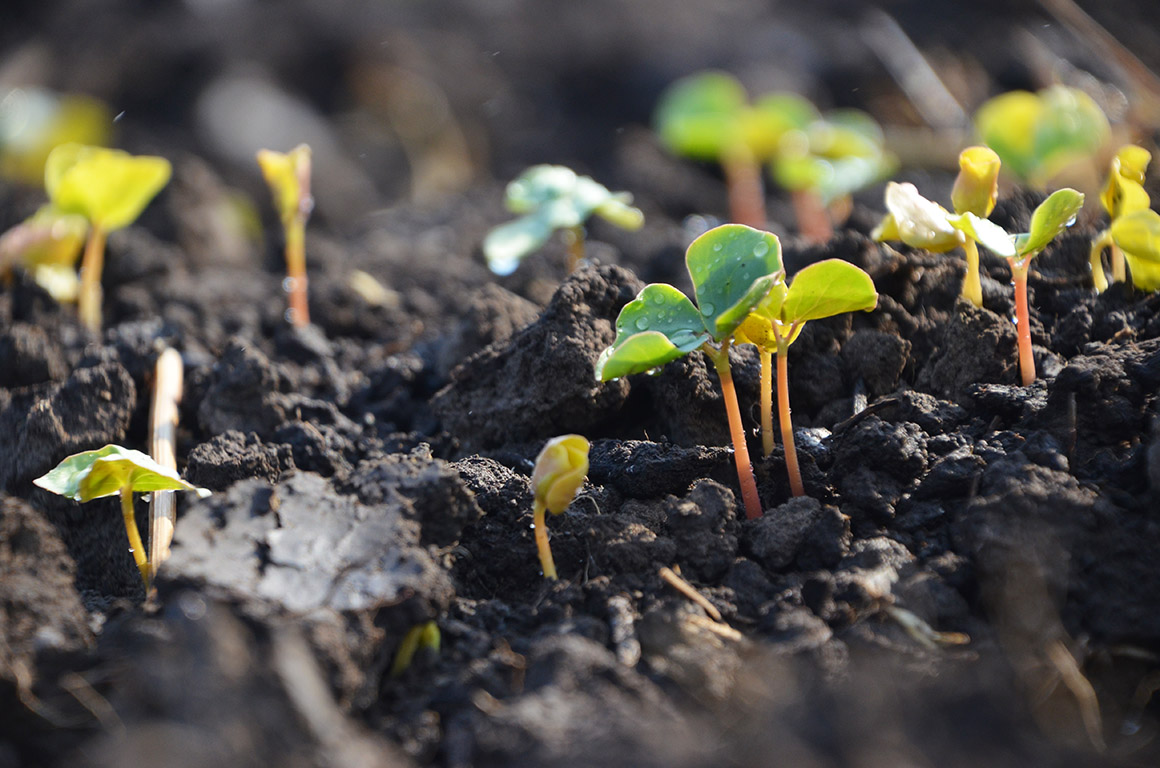
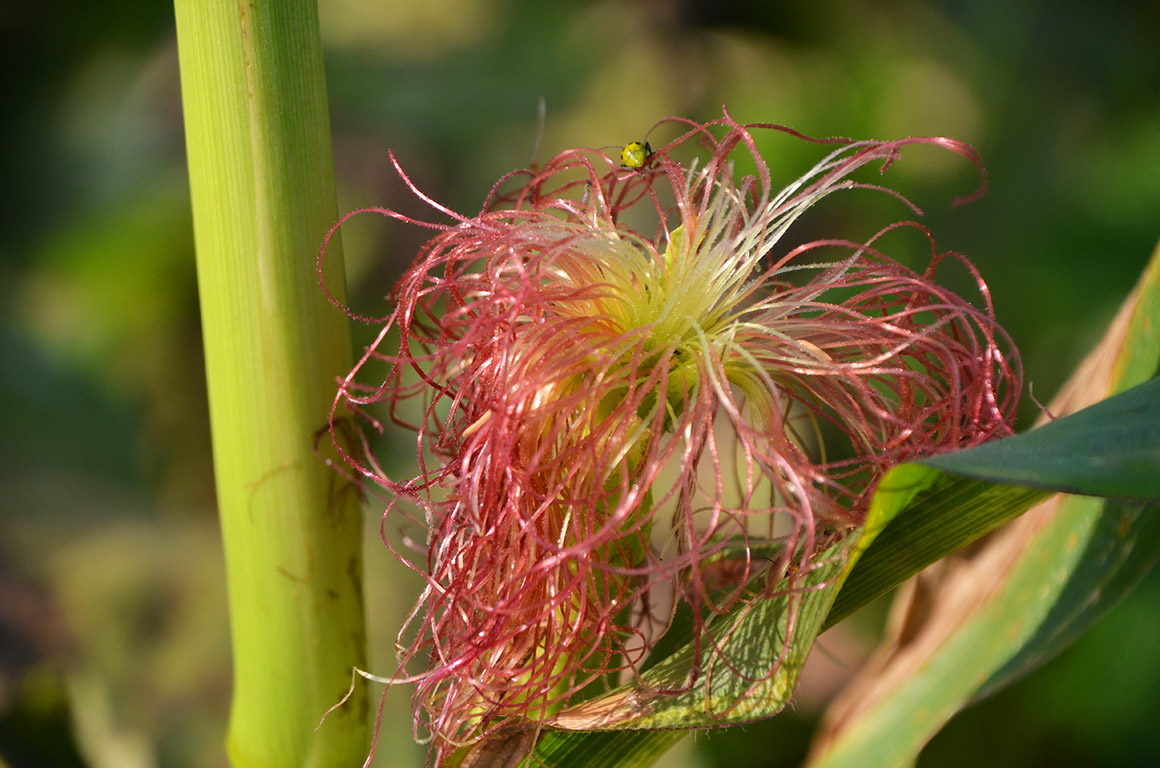
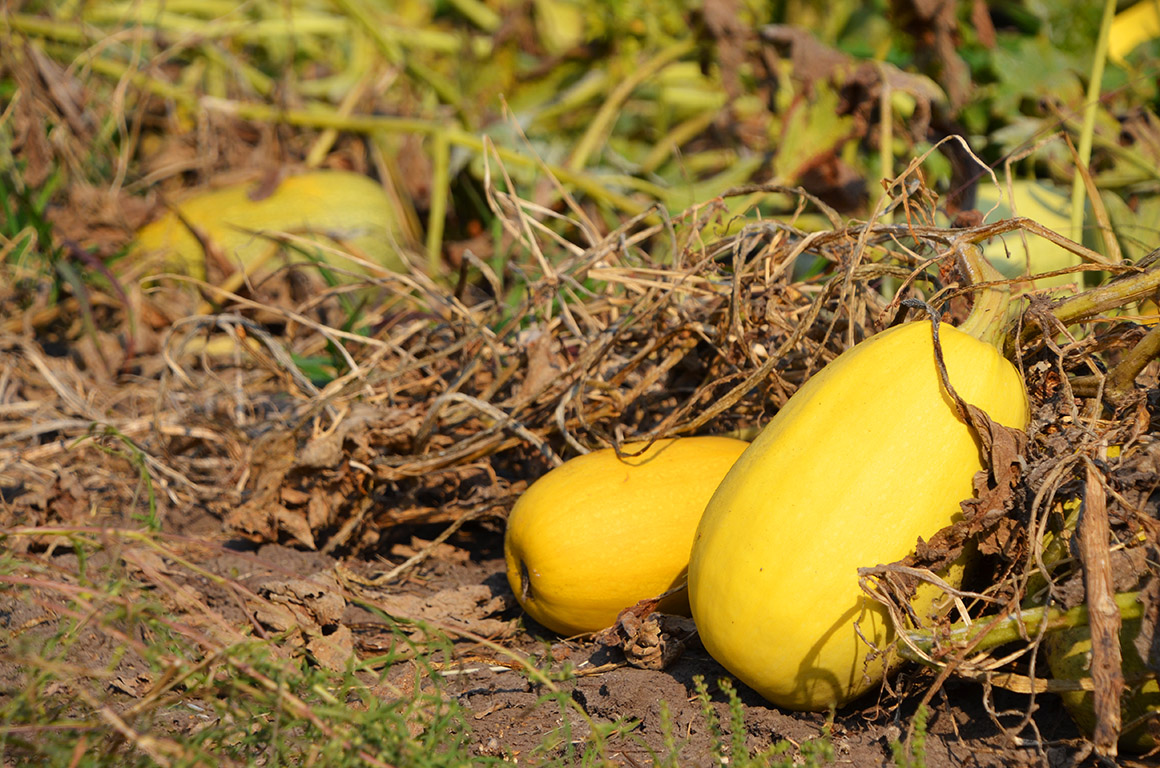
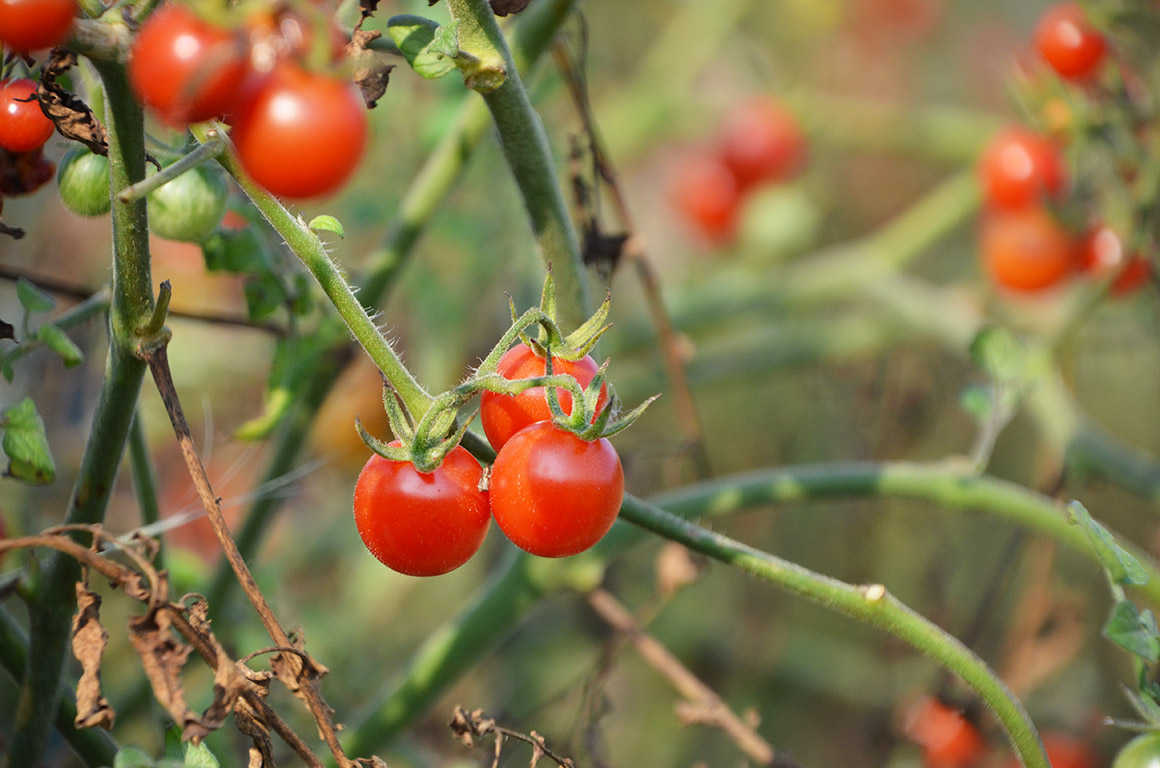
The teenagers’ work focuses largely on growing produce, especially root vegetables like carrots and beets, Gordon said. The farm also grows lettuce, spinach, kale, hard squash — spaghetti, acorn and butternut — organic sweet corn, pawpaws and ground cherries.
“We grow a little bit of everything,” Gordon said. “We don’t want to just grow stuff to grow it, but sometimes it’s fun for the boys to say, ‘Well, OK, so that’s how that grows.’”
Kale was surprisingly popular among the boys, he said, noting an on-site chef helped teach them interesting ways to prepare the greens. Strawberries, however, proved the biggest favorite. While the boys started with 1,500 to 2,000 plants, few of the berries made it to market.
“We had a good harvest this year, but definitely had a hard time getting strawberries to the restaurants,” he said. “They don’t survive the farm. They get consumed pretty quickly here.”
Meaty responsibilities
With the teens on-site more frequently the past few months, BoysGrow also offered its participants an opportunity to get into the meat of their daily meals at the farm.
BoysGrow
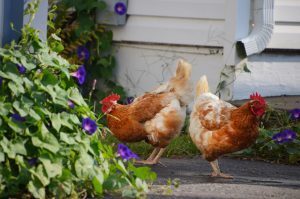
“We had about 60 meat birds that they harvested and ate throughout the summer,” Gordon said. “The kids helped with the whole process. It was optional. Some weren’t into it, but others were.”
For those who participated, the practical exercise proved valuable, he said.
“They got to learn how to break down a chicken and where their food literally comes from,” Gordon said. “It was a cool experience, and it saved us a fair amount of money on our kitchen bill throughout the summer.”
Daily caring for the livestock is a duty reserved for only a handful of participants.
Four boys interested in animal husbandry typically are selected to serve as the farm’s animal team throughout the summer, he said. Their task essentially is to feed and water the more long-term livestock: seven goats, about 30 chickens and a pig.

Featured Business

2017 Startups to Watch
stats here
Related Posts on Startland News

Meet the Midwest’s future serial entrepreneurs: Pipeline reveals 2023 fellowship, Pathfinder cohort
Nearly 30 of the region’s most promising founders now have access to an industry-agnostic network that focuses solely on serial high-growth entrepreneurs — without taking equity in the startups it serves, said Melissa Vincent. Pipeline Entrepreneurs on Tuesday officially announced its new roster of high-profile fellows, as well as members of its latest Pipeline Pathfinder…

‘Brain power’ across the street: How this innovation park hopes to keep university talent in Kansas after graduation
Startland News’ Startup Road Trip series explores innovative and uncommon ideas finding success in rural America and Midwestern startup hubs outside the Kansas City metro. This series is possible thanks to Entrepreneurial Growth Ventures (EGV), a business unit of NetWork Kansas supporting innovative, high-growth entrepreneurs in the State of Kansas. LAWRENCE — A partnership between…
Know where your meat comes from? For KC shoppers, it’s in a vending machine outside this popular coffee spot
If a farm-to-table beef vending machine is going to successfully plug into a hungry market, Tim Haer has just the place to meet the challenge, he said. “Kansas City — at one point in time — had the largest stockyard in the nation and we were known as Cowtown USA,” noted the startup worker-turned-Green Grass…

$2M grant expected to fuel workforce training, equity hub led by BioNexus KC, Missouri bioscience partners
The Kansas City region must level up to meet the demand of the expanding life sciences industry and support underserved job seekers, said Dennis Ridenour, announcing a $2 million in federal funds aimed at boosting readiness to fill talent shortages. The funding award will establish the “Bioscience Industry Occupational Training and Equity Collaborative Hub for…