

April Boyd-Noronha: 9 takeaways from KU’s GenCyber Summer Camp
September 7, 2017 | April Boyd-Noronha
Editor’s note: The opinions expressed in this commentary are the author’s alone.
I’m the product of two retired educators in the Kansas City metro area, so I know that learning is a lifelong process.
The summertime, for many educators, is the perfect time for professional development. I applaud the efforts of the University of Kansas’ School of Engineering for facilitating this year’s GenCyber Summer Camp for K-12 teachers.
KU is leading the narrative by being part of the solution to the nation’s shortfall of skilled cybersecurity professionals. The GenCyber program assists educators in improving teaching methods for delivering content for K-12 curricula, helps students understand correct and safe online behavior, and ensures that enough young people are inspired to actively pursue a cybersecurity career.
As a local educator and cybersecurity advocate, here are nine takeaways from the GenCyber summer camp:
- Everyone needs a general understanding of cybersecurity because it’s a factor crucial to the stability of our nation — from “insider” threats (at home, school, etc.) and breaches.
- Teachers need more assistance in developing engaging content and creating lesson plans to integrate cybersecurity education in their classrooms.
- Because of the cyber skills gap and the need for outreach in underserved populations, school districts should consider hiring multicultural consultants to advise on innovative ways to help students learn and support educators that teach cyber safety.
- Cryptology (the study of codes) is way cool! Do you think you can crack a code? If so, you have a unique skill that pays very well.
- Cyber ethics starts with the basic principle of integrity — being honest and doing what is right. Equally important is online safety and security for all users, especially K-12 users.
- We need more CyberPatriot coaches. CyberPatriot is the national youth cyber education program created by the Air Force Association to inspire K-12 students to pursue STEM careers. Lisa Oyler, a CyberPatriot mentor/coach at Summit Technology Academy (STA) in Lee’s Summit, Missouri, also attended the GenCyber camp. In addition to teaching networking and information technology courses, she regularly preps high school teams to compete and win in the annual CyberPatriot competitions. She looks forward to local colleges hosting a regional competition soon.
- Social engineering is serious business. This is when people are tricked into giving up confidential information. Common examples include phishing, diversion, baiting, and tailgating.
- Cybersecurity is not all about the tech. Soft skills play an integral role in the success of CyberPatriot competitions. Critical skills include reading comprehension and systems thinking, effective communication, problem solving, and troubleshooting.
- Two of the best, yet simplest, tactics to fend off hackers: strict password management and consistently practicing confidentiality measures.
The week-long cybersecurity training at KU offered a wealth of information for my fellow educators whose expertise ranged from novice (like me) to CyberPatriot guru (like Lisa Oyler). I thoroughly enjoyed it. And while it was intense,I highly encourage any interested educator to attend next summer’s camp.
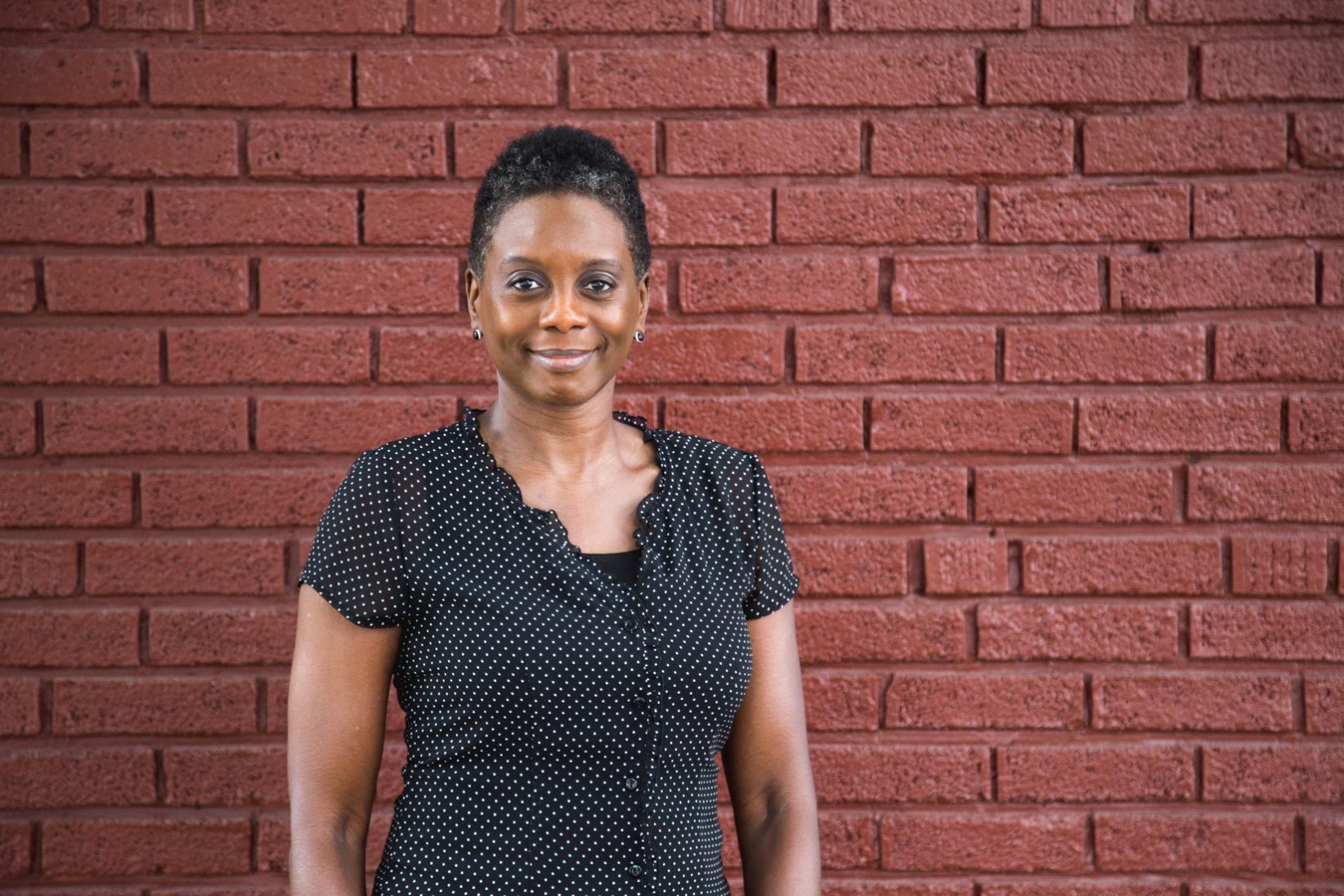
April Boyd-Noronha is the STEM parent advocate, diversity thought lecturer and author behind Lee’s Summit-based The STEM Broker, a boutique training and consulting firm focused on empowering girls, women, and minorities to succeed and advance in STEM careers. Email her at april@thestembroker.com or connect on twitter at @thestembroker


2017 Startups to Watch
stats here
Related Posts on Startland News
Grant Gooding delivers 8 key ingredients to a killer pitch
Editor’s note: The opinions expressed in this commentary are the author’s alone. Check out more from Grant Gooding here. Recently I worked with some startups for LaunchKC and several folks asked me if I had my pitch “system” written down. I hadn’t, so I thought it was time I did. To be fair, you will…
The WTF Series: Compute Midwest inspires with floating trains, NASA’s plans
On a daily basis, Ben Kittrell translates the jargon-filled world of technology for clients of his tech consultancy. The Words that Frustrate (WTF) series aims to offer readers some clarity in an industry dominated by techies’ confusing argot. On Wednesday, Compute Midwest brought world-class innovators to the Kauffman Center for the Performing Arts in Kansas…

Chris Brown: Non-compete alternatives KC business leaders should consider
Editor’s note: Opinions expressed in this commentary are the author’s alone. This article is general in nature and does not constitute legal advice. Readers with legal questions should consult an attorney. In addition to reducing risk and protecting employers, non-compete agreements can have community-wide benefits. But recent research by organizations including the Ewing Marion Kauffman Foundation…

Crema co-founder Dan Linhart: Effective company culture is more than just beer on tap
Editor’s note: The opinions expressed in the commentary are the author’s alone. Collaborating with a team is the most rewarding aspect of my work. There is just something awesome about doing great work with individuals that are diverse in skill and perspective and are aligned with the purpose behind the endeavor. Getting to that point,…