

TEDxKC speaker Shantanu Bala: Tech moves communication beyond words
August 23, 2017 | Startland News Staff

Editor’s note: Startland News is exploring a few of the most impactful quotes from speakers at Friday’s TEDxKC event at the Kauffman Center for the Performing Arts.
“The blind cannot only lead the blind, but lead any of us who can see to experiences that we’ve never seen before.”
— Shantanu Bala
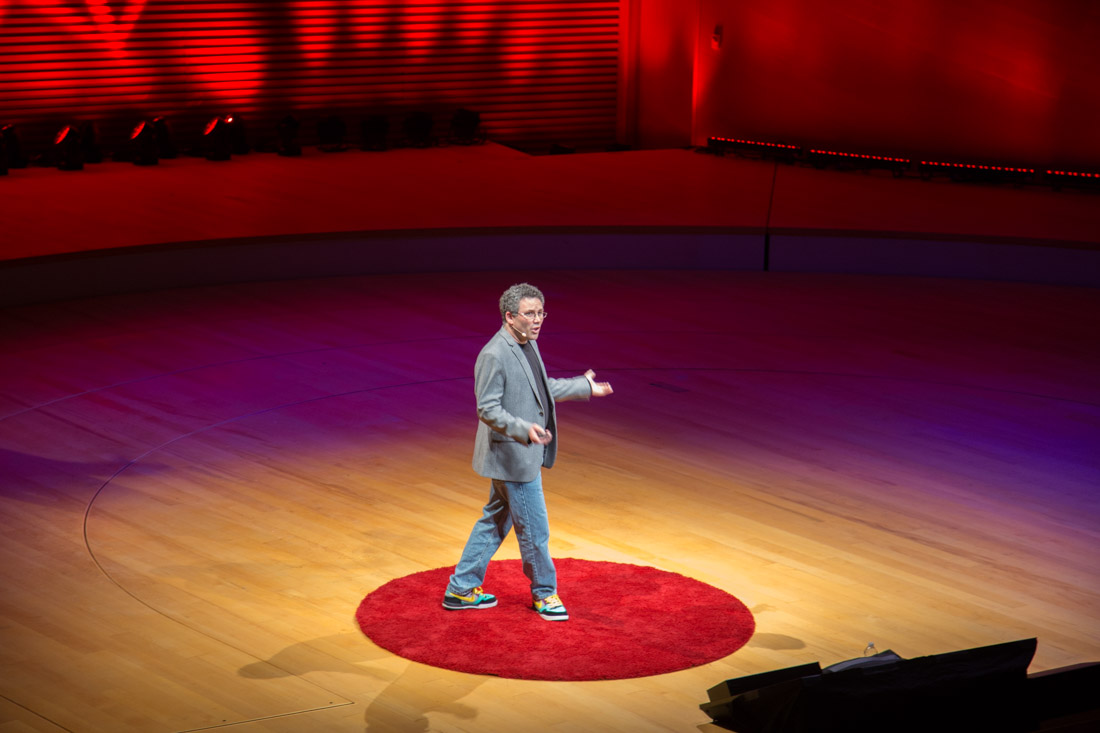
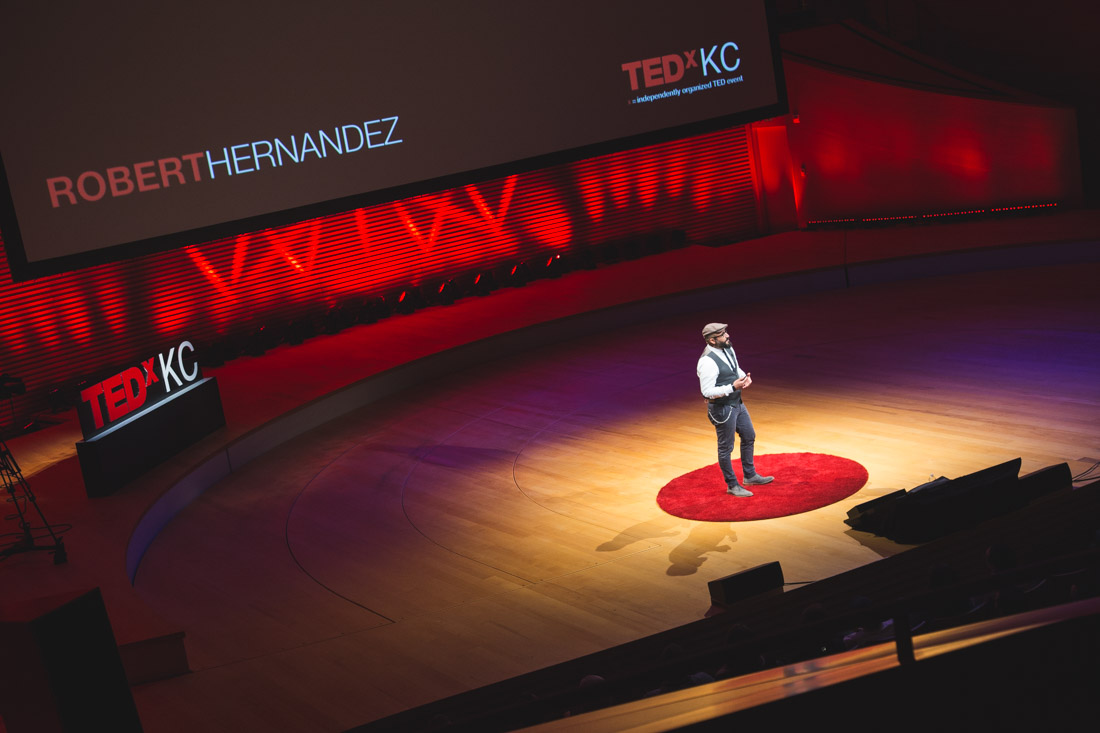
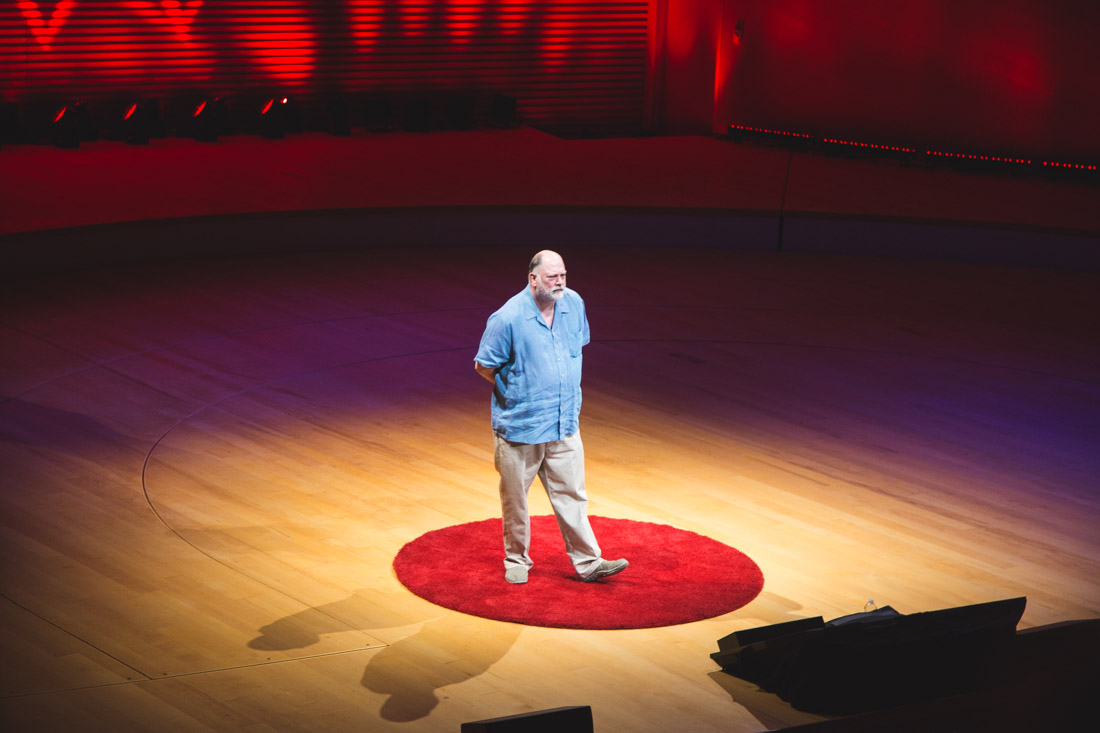
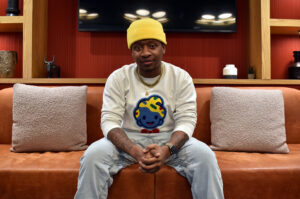
Think about the technology you interact with on a day-to-day basis, Somatic Labs founder Shantanu Bala encouraged the TEDxKC audience.
“You’re probably looking at a screen, whether that’s a laptop, a smartphone or a tablet. You’re checking emails, notifications, messages or alerts,” he said. “A lot of this information is presented in a context that is inaccessible to someone who’s blind.”
Although modern technology users have access to a new era of voice-controlled interfaces, like Alexa, Siri and the Google Assistant, such artificial intelligences that respond to speech also add another channel of disruption and intrusion, Bala said.
Communication involves a lot more than just words, he said.
“Even if you’re not bilingual, you all understand a second language. You understand the meaning of a handshake or a warm hug. You understand to pull your hand away from a hot stove,” Bala said. “And you understand this faster than you can read words printed on a page or even hear them spoken out loud.”
For any of the 285 million people in the world who are blind, a task as ordinary as checking the time can involve asking another person or turning up the volume on a phone and having it yell out that information, he explained.
“This is a cumbersome experience and it’s an accessibility problem, but I would also question the necessity of occupying anyone’s eyes or ears when we can intuitively understand things that we grasp with our hands,” Bala said.
Imagine if you treated your entire body as a programmable computer, he challenged the crowd.
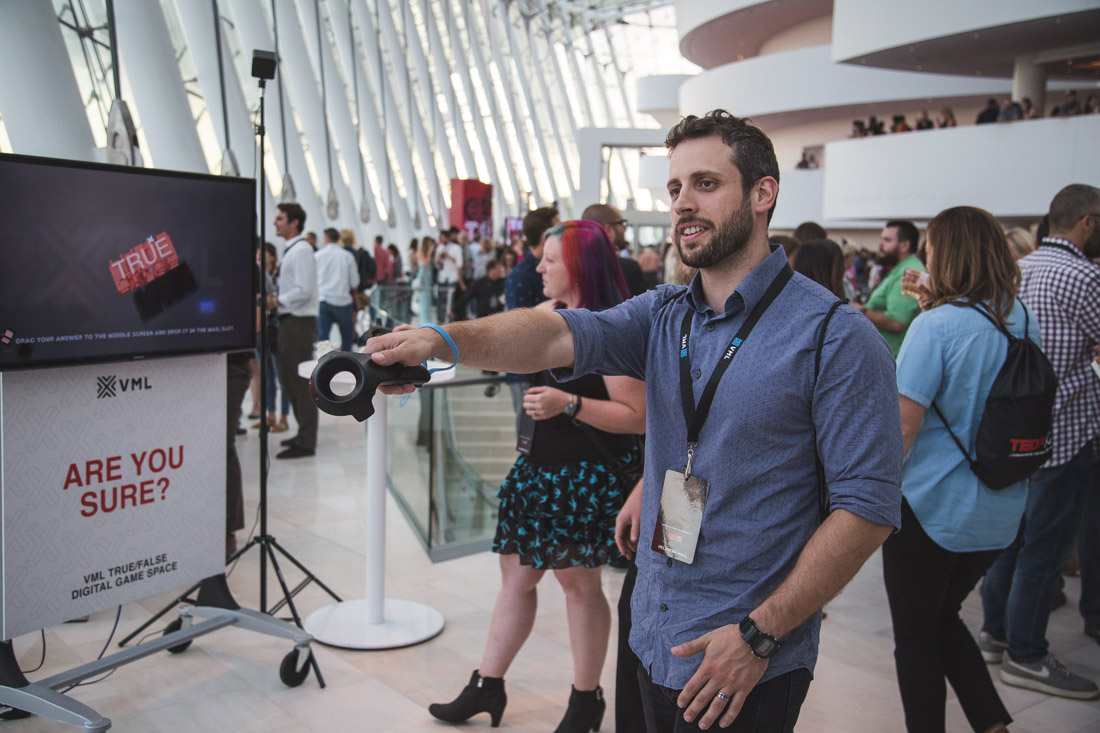
Bala’s Somatic Labs offers software and hardware products that aim to enable a future of wearable devices that communicate through human feeling and touch.
“I’ve spent past eight years working on systems of silent and invisible communication because I believe the same computer interface that could help someone who’s blind to check the time without needing a pair of headphones, is the same interface that could power the future of human-computer interaction,” he said.






2017 Startups to Watch
stats here
Related Posts on Startland News

Royals roll out the blue carpet for entrepreneurs with campaign focused on small businesses that define KC, its fandom
Editor’s note: The Kansas City Royals is an advertiser with Startland News, although this report was produced independently by Startland News’ nonprofit newsroom. Kansas City’s hometown baseball team is coming to the plate with a new pitch as opening day nears: a marketing campaign for the Royals that puts its city, fans and inspiring local…

Made in KC reveals plans for Barrywoods shop in the Northland (and where it’ll open next)
Made in KC is intentionally growing where local demand takes it, said Keith Bradley, detailing the brand’s expansion plans that hinge on customer convenience and include a new store in a prominent Northland shopping center. “We realized that we don’t have a strong presence in the Northland,” said Bradley, a co-owner of Made in KC…
National pain points meet local solutions at C3KC; How ‘energy of the day’ can spark lasting change
Editor’s note: The Junior League of Kansas City — through its C3KC conference — is an advertiser with Startland News. Fostering conversations about the most-pressing concerns facing communities not only helps expose the best of Kansas City innovation, said Becky Haddican, it also serves as a catalyst for even greater collaboration in the future. Now in…
AI-generated bedtime stories are just the first chapter in JQ Sirls epic venture to make the publishing industry more inclusive
Every great children’s story deserves the opportunity to be published, JQ Sirls said, adding his own footnote that more people are qualified than they think to create them. “I could put 1,000 people in one room and tell them all to write a short story about their childhood. While many of them may have a…