

Legal review: Supreme Court’s unanimous patent troll ruling, effects on KC
May 24, 2017 | Bobby Burch
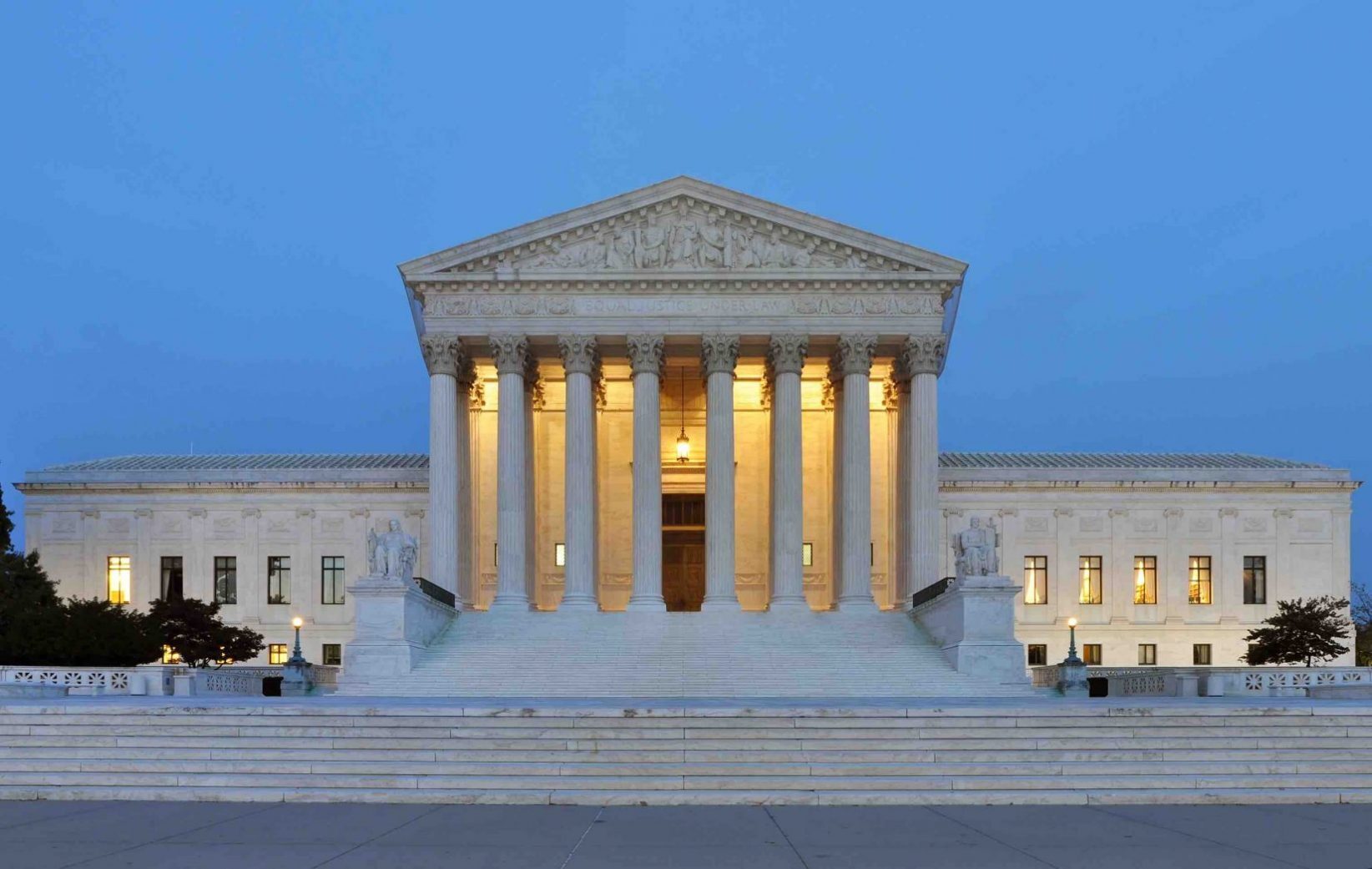
A recent ruling by the U.S. Supreme Court is being hailed as a significant blow to so-called patent trolls.
Supreme Court justices unanimously ruled on Monday that patent infringement lawsuits may only be brought against defendants in the state in which the company is incorporated. The ruling dings “patent troll” plaintiffs that shop the country looking for favorable court venues to file patent infringement lawsuits.
Patent trolls are non-practicing entities that purchase broadly defined patents with the sole intention to sue growing companies that are developing tangentially related products.
The recent ruling will have a distinct impact on federal courts in Eastern Texas where more than 40 percent of patent infringement lawsuits are now filed. Rules in that district enable quick trials and tend to issue plaintiff-friendly rulings. In 2016, the U.S. District Court of Kansas proposed changes that would have adopted similar rules to the Eastern Texas court, however, the proposals never came to pass.

Polsinelli patent attorney Michael Williamson
To unpack the implications of the ruling, Startland News caught up with Michael Williamson, a patent attorney at Kansas City-based Polsinelli to discuss the ruling.
What’s this ruling mean for KC area startups?
In the TC Heartland v. Kraft Foods case, the Supreme Court issued a unanimous ruling that a patent infringement suit must be filed where the defendant “resides” and a corporation “resides” in the state of its incorporation. … So if a company is incorporated in Missouri, the suit will proceed in Missouri; if incorporated in Kansas, the suit will proceed in Kansas; if incorporated in Delaware, then the suit will proceed in Delaware, et cetera.
The effect on startups and entrepreneurs will now be to tie any patent infringement suit to potentially their home field. This means a plaintiff — whether it is a large company or patent troll — will have to come to the startup’s location, the entrepreneur’s location or state of incorporation.
How will this ruling affect so-called patent trolls?
It will be more difficult for patent trolls (non-practicing entities), any company or individual to forum shop patent infringement litigation. In the past, patent trolls relied on the court’s position on a venue — that as long as the company conducted business in a jurisdiction that a patent suit could be filed in that jurisdiction.
This led to many patent litigation cases being filed by patent trolls in the Eastern District of Texas. Recent accounting shows nearly 40 percent of patent lawsuits were filed in this federal court, which over the years had become a favorable jurisdiction for plaintiffs in patent litigation suits.
The Supreme Court, in a unanimous decision, focused on the interpretation of a 1948 statute that outlined patent suits are to be filed “in the judicial district where the defendant resides.” The Supreme Court’s interpretation is a domestic corporation resides only in the state of its incorporation. So, in order for a patent troll to bring a patent suit, it will now be required to file the case in the state of incorporation for that company. This will increase the amount of patent suits in Delaware.
How big of a deal is this ruling at a national level?
This is a big deal since historically more than 40 percent of patent infringement suits were filed in the Eastern District of Texas.
Most of these cases relied on venue being proper because the defendants in each case had some contact with the jurisdiction, typically through some minimal sale. Now, the venue will be proper where the defendant resides. The “resides” definition will most likely result in patent infringement suits shifting to Delaware — a typical jurisdiction for companies to incorporate — as well as California, where numerous technology companies are incorporated and based.
More than likely for the short term, the time a patent infringement suit will be pending will increase as these jurisdictions take on more cases. It will also make patent trolls think twice about filing suits since they may have numerous cases proceeding in numerous jurisdictions against defendants — dependent on where the defendants reside.
Any other thoughts on this ruling?
Incorporation state for a company becomes a little more important. For a startup, basing your state of incorporation on where a patent suit could be brought will not be the most important question to ask yourself — but it now can make a difference. Also, threats by patent trolls or other plaintiffs will now be tempered a little since patent suits will now be brought in one’s home jurisdiction.


2017 Startups to Watch
stats here
Related Posts on Startland News

It’s not too late to preserve KC’s Black-owned restaurants (or to enjoy Black Feast Week)
The recent closures of Soiree, The Krave, and Privee — Black-owned restaurants that each became a staple of Kansas City’s evolving food scene — leave a clear void that can’t be ignored, said Ryan Sorrell. An initiative to help save local culinary should-be hotspots in similar danger wraps this week, but the work to promote and…

Ancestry.com founder-turned-AI evangelist says rapidly advancing tech can uplift humanity, families
People across the globe are caught in an internet malaise, said Paul Allen, and tech visionaries’ response should be to renew humans’ dependence on faith and family and friendship and local community. One of their most critical tools, he said: decidedly non-human solutions from the rapidly evolving landscape of artificial intelligence. Allen — founder of…

KC filmmaker sees pleasure as a prequel to dystopia hiding ‘In Plain Sight’; His brave new wake-up call
Thomas Rex’s new proof-of-concept film project envisions a near-future world where society is on the verge of totalitarian control, he said, describing a cautionary tale about being unknowingly controlled by a culture of escapism through pleasure and pharmaceuticals. “In Plain Sight” serves as a prelude to Aldous Huxley’s novel “Brave New World,” an acclaimed but…

New owner plans Vietnamese redux with modernized experience at Northland bánh mi spot
Quick service. Customization. Simple menu. Meals made-to-order in front of the customer. Chipotle was built on this service model. Now Peter Nguyen wants to bring it to his new Vietnamese restaurant, and even use that system to start a franchise of his own. In August, Nguyen purchased the former Bun Mee Phan restaurant at 4011…