

KCMO offers FAQ on its prospective Airbnb, Homeaway regulations
May 22, 2017 | Startland News Staff
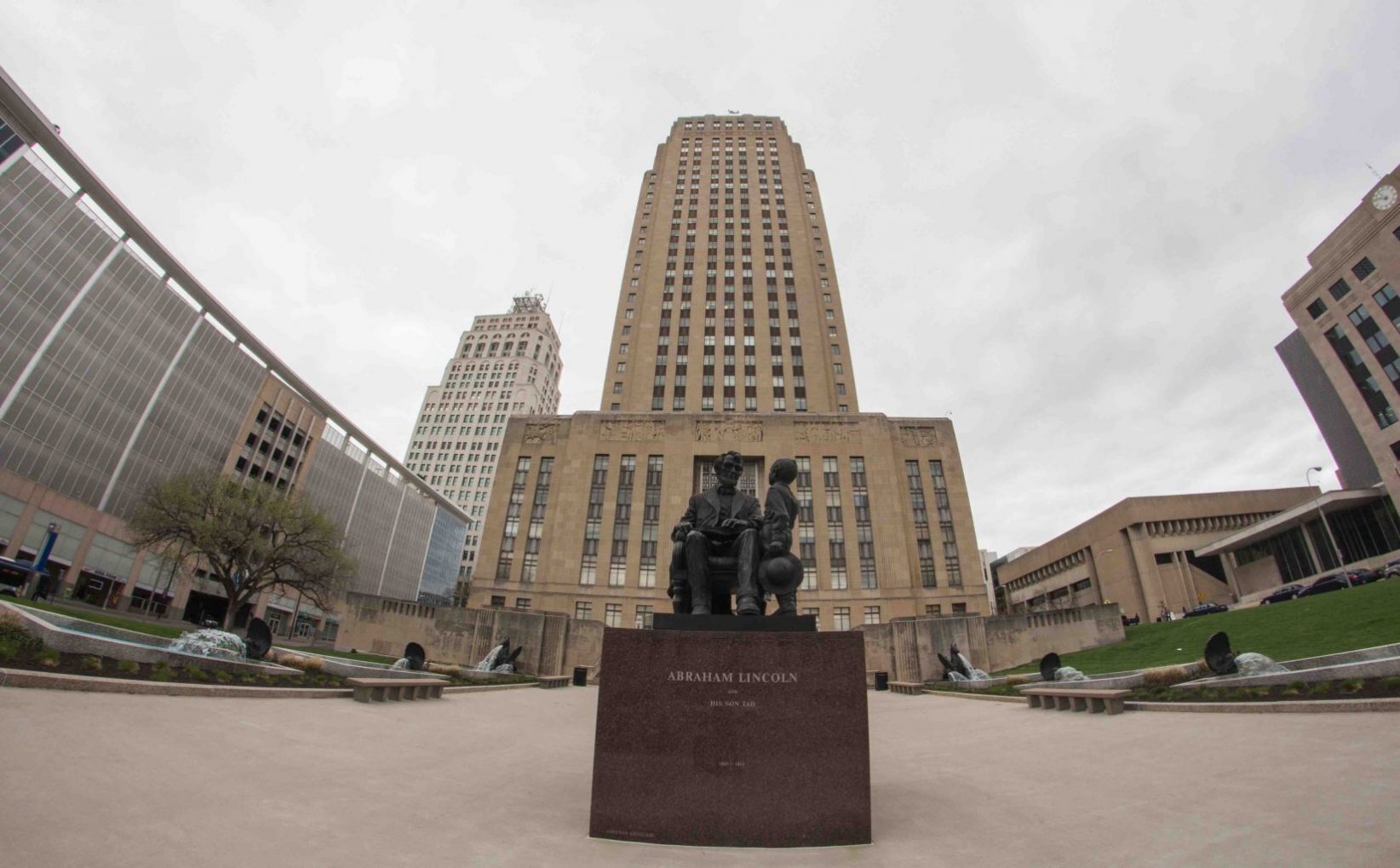
On Monday, the City of Kansas City, Mo. released newly-proposed rules on how it may regulate home-sharing services like Airbnb and Homeaway.
City officials are planning to introduce the proposed ordinance at the Kansas City Planning Commission on June 6. After that, the proposal will head to the Kansas City Council, where it will likely be assigned to the Planning, Zoning and Economic Development Committee.
As Kansas City Council members debate the ordinance, the public can offer more comments. Once the committee approves the proposed ordinance and any changes, it goes to the full city council for final approval. Staff recommends the short term rental ordinance go into effect 90 days after final approval, city officials said.
Below is an FAQ from city officials on the proposal.
_______________________________________________________________
As the “sharing economy” grows, The City of Kansas City, Missouri has been studying the best ways to balance the rights of property owners to rent out their homes, and the rights of neighbors to preserve and protect the character of their neighborhoods. Currently, it is illegal to rent homes for short term rentals. The City is considering an ordinance that would legalize short-term rentals, with appropriate regulations.
Do I need a permit to be a Short Term Rental (“STR”) host?
Yes. All short-term rental hosts must get a permit. There are two types of permits.
Owner-Occupied permits are for homeowners who seek to put their full-time residence on a software platform or “app” (such as Airbnb), for the purpose of renting it out to guests for a time less than thirty days per stay. Full-time residence means the host inhabits the property for a minimum 270 nights per year.
Non-owner occupied permits are for property owners who do not live on the property full-time and rent out the property to guests for a time less than thirty days per stay. Are all residential property owners allowed to be a host? Almost all. Short Term Rental is allowed in all zones except for R7.5 and R10. These designations are mostly in the traditional single family neighborhoods, and this keeps in line with the character of the neighborhood. However, we provide an exception for property zoned R7.5 and R10 if the structure itself or the neighborhood has a local or national historic designation, in which case the property owner may apply for a STR permit. For a non-owner occupied permit in residential zones R7.5 and R10 under the historic structure exception, the host must apply through the special use permit process.
To see how your property is zoned, visit the KC Parcel Viewer and put in your address.
What if I’m a tenant, do I need my landlord’s permission?
Yes. Your landlord will need to sign an affidavit giving permission.
OWNER-OCCUPIED PERMITS
How do I apply for an owner-occupied permit?
You must fill out an application, which costs $100 the first year. The owner-occupied permit lasts one year and must be renewed each year at $50 per year.
What are the restrictions for an owner-occupied host?
There is no limit on how many nights a host may rent out an owner occupied property; however, the host must live/stay/inhabit the property a minimum 270 nights of the year. The host does not have to be present on the property when guests are present during the 95 nights that they do not live/stay /inhabit the property. Owner occupied permits do allow for a carriage house. Carriage houses are allowed only when they were constructed before March 1, 2005, they are located on property designated as a historic landmark or located in a historic district, and they are located in an R-7.5, R-6, R-5, or R-2.5 district. See Section 88-305-05 of the zoning and development code of the City of Kansas City for further definition and restrictions.
Can I rent out an accessory dwelling unit?
An accessory dwelling unit (ADU)is a structure that is subordinate in area, extent, and purpose to the principal use and building on the zoning lot and that is customarily used in conjunction with a permitted accessory use. These structures are only allowed to have family members reside in the structure. A host may not use an accessory dwelling unit for the purpose of short-term rental. However, City Staff will review ordinances pertaining to ADU’s and will report back to City Council in one year.
Do I need a business license?
Yes. All hosts must have a business license with the City. You can find very helpful information on how to do so at kcmo.gov/kcbizcare.
Do I need to notify my neighbors that I am a host?
Yes. All owner-occupied hosts must notify their neighbors.
NON-OWNER OCCUPIED PERMITS
How do I apply for a non-owner occupied permit?
An application is required, along with a fee of $259. You must obtain signatures from all of the property’s neighbors and receive support for the STR from at least 75%. If you cannot obtain signatures from all of your neighbors (i.e. you cannot get a hold of them or more than 25% of the adjacent property owners do not approve of the non-owner occupied permit), then you must go through the Special Use Permit process and have a hearing, for a fee of $596 in lieu of $259. Lack of support by your neighbors is not an automatic disqualifier to getting a permit.
How long does the non-owner occupied permit stay active?
If there are no issues with the property related to short-term rental activity, then the permit will be renewable every year for $50. Note, all non-owner occupied permit holders must also have a business license, which is renewable on a yearly basis.
I have complaints about a neighbor using their property for short-term rentals. What can I do?
File a complaint by contacting the City’s 311 Center. The City Planning and Development Director will have staff investigate the complaint. If the complaint is valid, the Director will have the discretion to remove a property from the eligible host lists, and a permit may be revoked if a significant negative activity is occurring. Any issues related to these permits will have the same administrative appeals process as other permits granted by the City.
Does Short Term Rental trigger any Building or Fire Code requirements?
All hosts must install and maintain smoke and carbon monoxide detectors in locations as specified for dwelling units by the Building Code; and in some cases, a placard showing egress routes must be posted at the exit.
What if I am applying for a non-owner occupied permit in a building with multiple units (i.e. condo or apartment building)?
This is a change of occupancy classification under the Building Code, and the applicant must obtain a new certificate of occupancy for the use — this may trigger additional improvements to the unit or building.


2017 Startups to Watch
stats here
Related Posts on Startland News

Closing KCK’s Black-owned coffee shop opens opportunity for Kinship to brew bigger, owner says
When TJ Roberts posted on social media about closing Kinship Cafe, a Black-owned coffee shop in Kansas City’s Strawberry Hill neighborhood, he was surprised by the outpouring of support — a morale boost that not only gives him the spirit to keep fighting for the business, but expand it, he said. “When we posted about…

Kansas brothers launch speedy trial for app that eases reentry for the wrongfully incarcerated
Podcast host-turned-innovator Dylan Carnahan is a man built for talking, he said, but there’s a time when words aren’t enough — when action is needed in the face of injustice. For Carnahan and his brother, that moment is now. “While media spreads awareness, software facilitates action,” said Carnahan, teasing the tech he’s developing alongside Alex…

Restaurant’s nostalgia is only part of it’s recipe: How Paul’s Drive In sizzled a community staple by ‘doing good first’
Editor’s note: The following story was written and first published by the Economic Development Corporation of Kansas City, Missouri (EDCKC). Click here to read the original story. In the heart of South Kansas City, Paul’s Drive In on Blue Ridge Blvd has been a cherished staple since the 1960s. Through ups and downs — including…

Meet six coalitions earning grants through Kauffman Foundation’s new ‘Collective Impact’ funding pathway
Systemic change happens when communities come together to drive transformation through collaboration, said Dr. DeAngela Burns-Wallace, announcing a half-dozen grants to high-capacity organizations with strategies to close economic mobility gaps in the Kansas City region. The “Collective Impact” planning grants of up to $500,000 are awarded to the winning coalitions are the first piece of…