

Kauffman Foundation: National startup activity continues to improve
May 18, 2017 | Bobby Burch
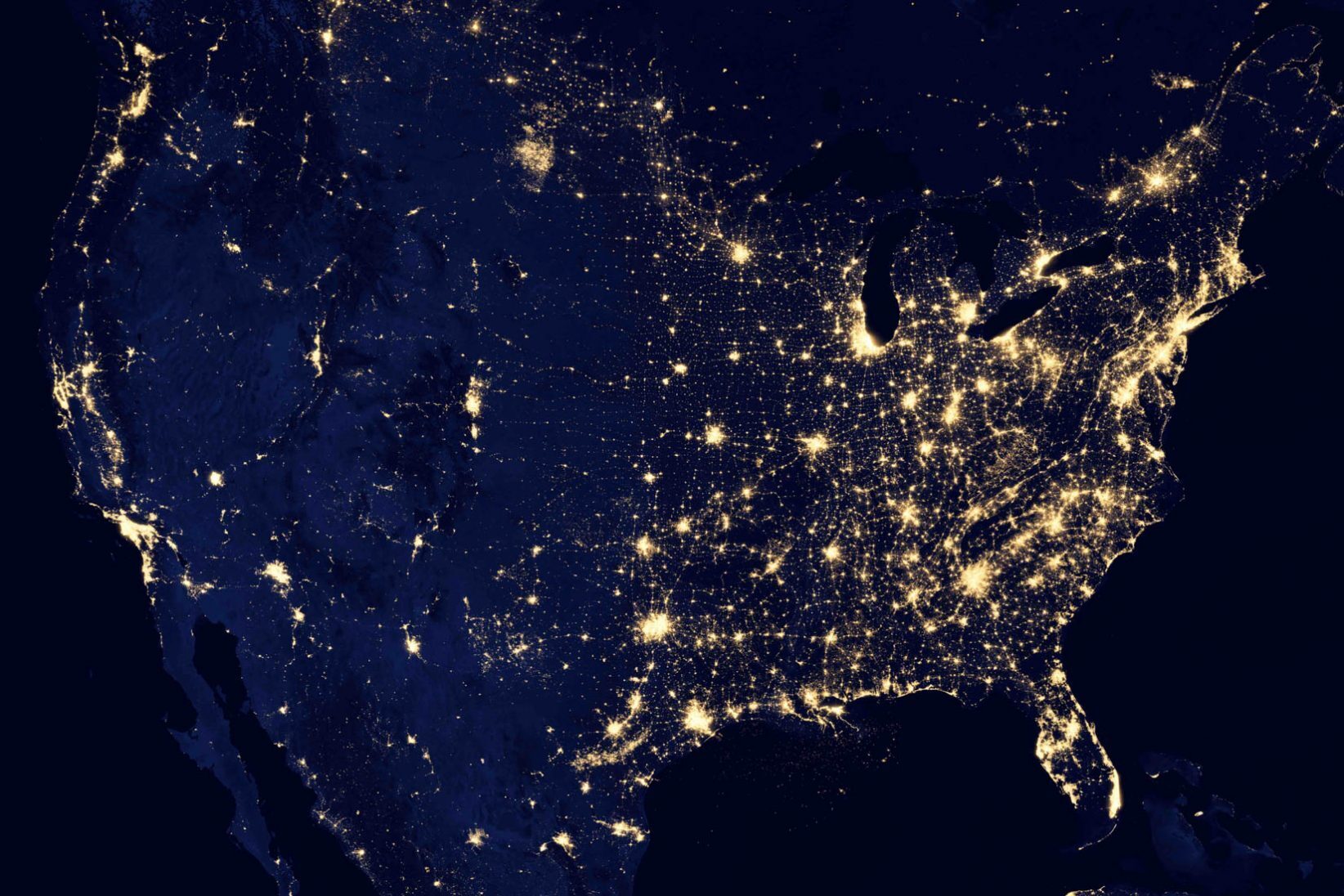
National startup activity grew slightly in 2016, a consecutive three-year improvement that reached pre-Great Recession levels, according to the Ewing Marion Kauffman Foundation.
However, in the long-term view startup activity is still in decline when compared to the 1980s, the 2017 Kauffman Index of Startup Activity found.
Victor Hwang, vice president of entrepreneurship at the Kauffman Foundation, said that although the results are encouraging, work remains to create more economic dynamism.
“A three-year upward trend in new business formation is a promising sign for the economy,” Hwang said in a release. “Recent research demonstrates that more startups lead to higher productivity, wage growth and quality of life. Growing startups not only support individual entrepreneurs but lift surrounding communities. We need to identify and remove barriers and contribute to a new model of economic development that infuses more entrepreneurship into the economy.”
The index — which presents entrepreneurial trends nationally, at the state level and for the 40 largest metro areas — revealed two remarkable improvements in U.S. entrepreneurship.
First, the index found that more new entrepreneurs are starting businesses to pursue a good opportunity rather than to generate income. The share of new entrepreneurs pursuing a business opportunity rather than starting a firm from necessity reached 86.3 percent — a 12 percentage point improvement since 2009, according to the report.
It also found that U.S. entrepreneurs are becoming more diverse. First-generation immigrants now make up nearly 30 percent of all new U.S. entrepreneurs — the highest level for the second time in 20 years, growing from 13.3 percent in 1996.
“Immigrants are twice as likely as native-born to start new businesses, and this is good news for new business activity and the economy,” Arnobio Morelix, senior research analyst at the Kauffman Foundation, said in a release. “For generations, immigrants have been a key part of America’s innovation DNA – from Alexander Graham Bell inventing the telephone to Sergey Brin starting Google. Today more than 40 percent of Fortune 500 companies were founded by immigrants or their children, and over half of America’s billion-dollar unicorns have an immigrant founder.”
While entrepreneurship among immigrants grew, the overall rate of new entrepreneurs decreased — from 0.33 percent in 2015 to 0.31 percent in 2016, translating to 310 out of every 100,000 adults starting new businesses each month. The index found that the business-creation rate is roughly 540,000 adults switching to self-employed business ownership each month during the year.
The index also analyzes startup activity in the 25 largest and smallest states, as well as the 40 largest metro areas.
Among the largest states, California, Texas, Florida, Arizona and Colorado had the highest startup activity in 2017, respectively. Missouri ranked No. 10 in the 25 largest states.
Among the smallest 25 states, Nevada, Oklahoma, Wyoming, Montana and Idaho had the highest startup activity in 2017, respectively. Kansas ranked No. 15 in the 25 smallest states.
To read more on the national index, click here. To learn more about the state-by-state comparisons, click here.


2017 Startups to Watch
stats here
Related Posts on Startland News

Nell Hill’s founder returns to retail with ‘this little secret’ — a micro shop with an old-fashioned, in-store experience
Mary Carol Garrity’s last home furnishings store was 18,000 square feet. Her new one? A “petit bazaar” at just 400. Garrity is teaming up with longtime friend, Rebecca Wood, on diebolt’s in Midtown’s Gillham House Antiques & Furnishings. The shop, which is scheduled for an April 19 soft opening, is expected to offer a “fun…

Urban designer behind Royals’ Crossroads ballpark pioneered the modern MLB stadium (and he has the bats to prove it)
It’s difficult to find a Major League Baseball stadium that Earl Santee hasn’t influenced with his philosophy of community-oriented design. Called the “Godfather of ballparks,” Santee — the recently named CEO of Populous and literal architect of the proposed Kansas City Royals ballpark district in the East Crossroads — either designed or renovated two dozen…
Royals change stadium plan to keep Oak Street open to traffic, but fate of businesses is uncertain
Editor’s note: The following story was published by KCUR, Kansas City’s NPR member station, and a fellow member of the KC Media Collective. Click here to read the original story or here to sign up for KCUR’s email newsletter. The Royals’ original plan was to place the team’s corporate offices and entertainment venues on Oak Street, which would close the…

Royals Crossroads ballpark plan revs parking debate; how ‘creatures of comfort’ would need to adapt to a new downtown
Editor’s note: This story was originally published by Kansas City PBS/Flatland, a member of the KC Media Collective, which also includes Startland News, KCUR 89.3, American Public Square, The Kansas City Beacon, and Missouri Business Alert. Click here to read the original story. Here’s the essential message that the Kansas City Royals have for folks fretting about…