

With data pouring in, leaders discuss what’s next for the Smart City
April 13, 2017 | Meghan LeVota
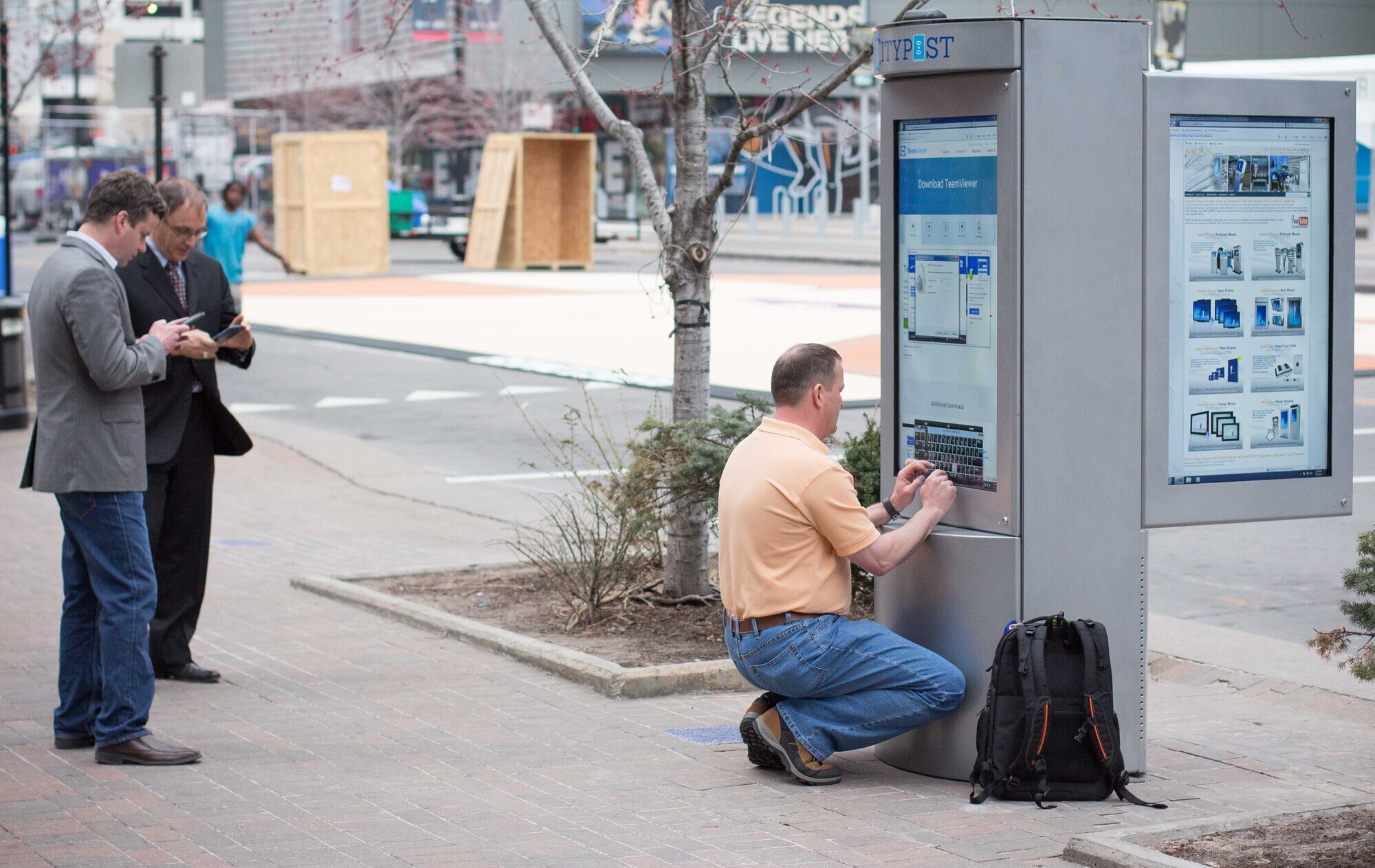
As Kansas City’s Smart City initiative wraps up its first phase, advisory board members on Monday began looking to the future of the public-private project.
Since the initiative’s launch in 2016, the City of Kansas City, Mo. has established itself as a leader in smart city infrastructure, KCMO innovation analyst Kate Garman said. But while in the process, however, Garman said the city has garnered many lessons.
“We learned a lot,” Garman said of phase one. “Parts went as planned; other aspects of the construction or implementation required us to adjust. We are continuing to evaluate and will apply lessons learned and those we are learning to phase two.”
Kansas City officially kicked off its smart city project in May of 2016. The $15.7 million public-private project is transforming Kansas City’s downtown into a living lab of Wi-Fi connectivity on and around the 2.2-mile streetcar line.
Via a large Wi-Fi and sensor network, the project will provide a variety of information to citizens while also collecting data on their behavior in downtown. The project is a collaboration between Kansas City, Sprint, Cisco and Think Big Partners.
In the last year, the city has established 328 WiFi access points, 178 smart lighting video nodes and 25 smart kiosks, laying the foundation on which the city can begin to collect data on downtowners’ behavior. In February, the city released its open data platform, which provides citizens live and historical information on the streetcar, traffic flow and parking availability in downtown.
The Smart City Advisory Board — which consists of about a dozen industry leaders and city officials — met Monday to discuss what went well with phase one, and what could have gone better.
Top concerns discussed Monday include redefining the ownership of the open data portal so that it can be optimized for both city hall and Kansas City citizens. Powered by the urban data and collaboration platform Xaqt, the city’s interactive data portal provides citizens live and historical information on the streetcar, traffic flow and parking availability in downtown.
Now that the portal is complete, the board is focused on using the data to solve city problems. One way to do this is to ramp up the enthusiasm for the initiative and encourage community members to build applications with the data.
For phase two, the Smart City Advisory board plans to form a cohesive understanding of its goals and to articulate the return on investment the initiative has for the city. The board hopes that, as a result of establishing performance indicators, it can more easily partner with other public and private organizations.
The board agreed that the 25 kiosks scattered around downtown Kansas City also need better content and an improved user experience. The kiosks offer information on nearby restaurants, events, weather and other information collected from smart city sensors. Created by CityPost, the kiosks also provide the information in a variety of languages and allow users to call 911 for emergency services.
The board also hopes to expand the existing wifi network in downtown — provided via Sprint — to more parts of Kansas City and to secure financial support.
“Scaling projects brings questions of funding,” Garman said. “As we continue to move forward we will continue to work with our partners and work on our public-private partnerships.”
As for what went well in phase one, the board agreed that Kansas City is establishing itself as an industry leader in smart city development. Although other cities have similar initiatives, Kansas City is setting an example of how to work together among a variety of different partners.
Garman said that phase two will begin this fall after the board agrees on its top priorities. She hopes that as the initiative grows, she hopes it will continue to serve as a leader to other communities.
“We are sharing our knowledge with other cities and we hosted a conference involving federal agencies that will use our data reporting model as a national standard,” Garman said. “Also, Smart City initiatives have helped Kansas City grow economically by attracting startups and tech talent.”


2017 Startups to Watch
stats here
Related Posts on Startland News

Small biz makers worry Trump tariffs could be ‘recipe for recession’; Economists, farmers share concerns about trade war
An enthusiastic smile spreads across Katie Mabry Van Dieren’s face as three small groups of new customers flow into her Brookside Plaza shop — a space filled as high as the Shop Local KC owner can reach with colorful, off-beat, and functional goods and gifts from Kansas City makers. “We smelled something wonderful from outside…
Sustainable data center near downtown KCMO to help power capacity with $143M investment
Kansas City is building on its reputation as a hub for partners looking to tap into a region rich with infrastructure built for the future, said Steven Anthony, announcing the grand opening of another major, sustainable data center in KCMO. Edged — a vertically integrated global platform of on-demand data centers with operations designed to…

Potato Potatas grows the business of comfort food from the ground up (and in a pot pie)
Two years ago, Trine’ce Brown took note of restaurant chains like Chipotle and Qdoba, and wondered why there wasn’t already a fast-casual potato bar concept. She decided to start her own — but taking small steps, first working out of a Northland kitchen commissary, the Culinary Center at the Mid-Continent Public Library, starting in May.…

KC2026 team hires cybersecurity, explosives expert for key World Cup ops-planning role
In its latest high-profile move, the team behind Kansas City’s 2026 World Cup planning has tapped a former U.S. Secret Service special agent — notably the veteran of a years-long United Nations General Assembly assignment — to lead KC2026’s safety and security efforts. Kyle Postell already has led critical infrastructure protection efforts, conducted comprehensive vulnerability…