

Integrated Roadways founder featured on CNN as autonomous vehicle expert
March 16, 2017 | Bobby Burch
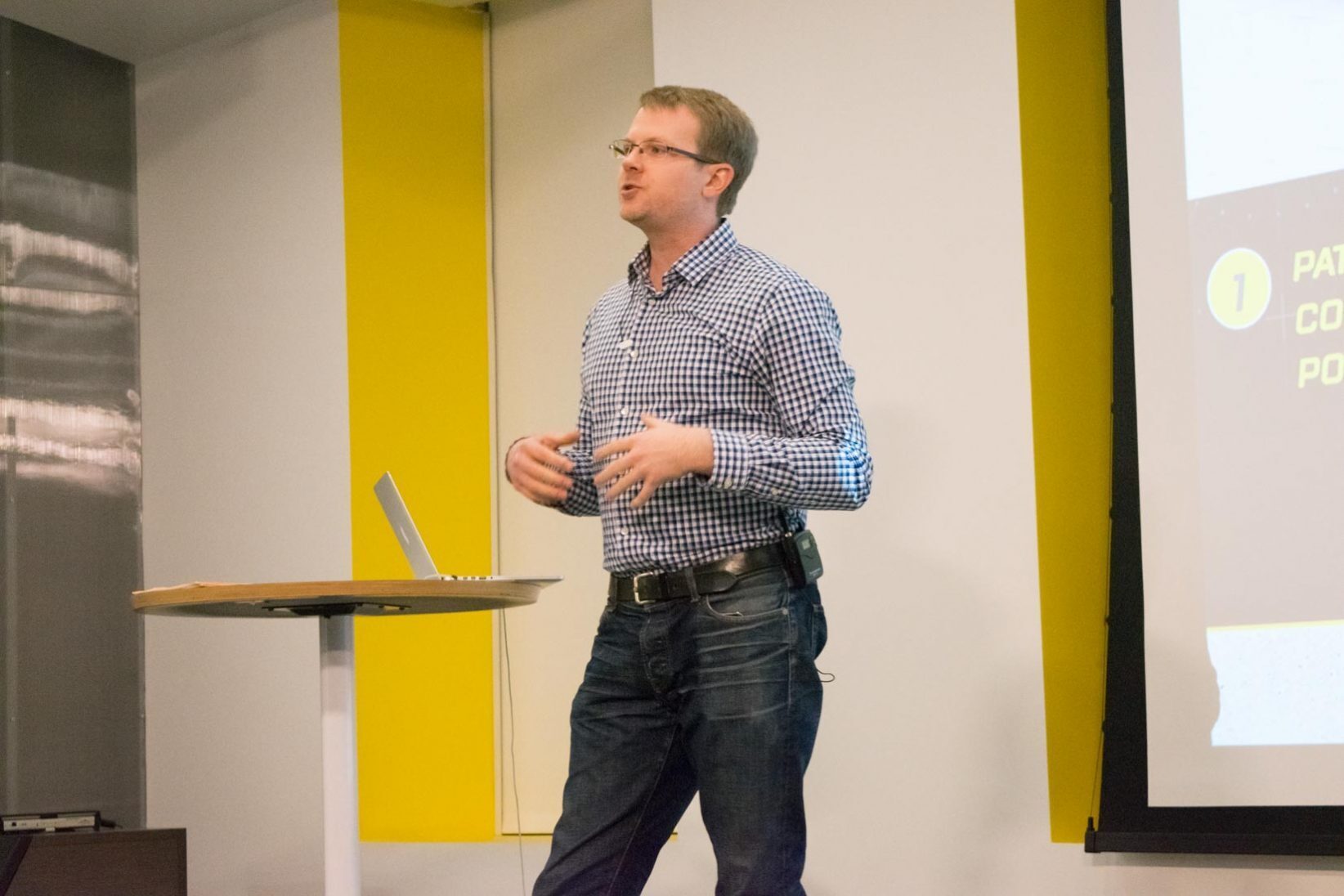
A Kansas City startup founder recently was featured on CNN as an industry expert for his knowledge on autonomous vehicles and the infrastructure that can support them.
After being discovered via a weekend panel discussion at the SXSW Conference, Integrated Roadways founder Tim Sylvester recently was hosted on CNN’s Quest Means Money show. Sylvester’s startup created patented smart pavement with embedded IoT technology that provides connected cars wireless connectivity and reduces roadway expenses.
Intrigued by Sylvester’s views that wireless networks currently cannot adequately support the imminent rise of driverless cars, CNN host Richard Quest asked what infrastructure the U.S. needs in place. Sylvester explained that his firm’s product not only would provide the network needed but also revamp dilapidated U.S. roads.
“We need lots of new American infrastructure but there’s no money for it,” Sylvester said. “While next-gen mobility services need economical ways to deploy dense networks. By marrying the need for next-gen networks to the need for new roads, we can refresh American infrastructure at no cost to the public while making next-gen mobile far more cost effective.”
Sylvester said that sharing his views and company to a national audience carried some nice perks. A “thrilling, but also scary” experience, Sylvester said it was his first national TV appearance.
“As soon as I was off air my social media blew up,” he said. “There are now tens of thousands more people who know what we do and why. … We just hope that someone from the (Trump) Administration was watching and is now researching a new way to build public infrastructure without increased public burden.”
Sylvester added that without venturing to SXSW, the exposure wouldn’t have come. In addition to interacting with other innovators, SXSW offered him a platform on which to grow.
“This is the kind of reason I attend SXSW as often as possible,” Sylvester said. “The CNN production assistant was looking for interesting perspectives on autonomy, and found me because I sat on a panel on Saturday to discuss designing infrastructure for autonomous vehicles.”
The DOTs in Kansas, Missouri and Colorado are already using Integrated Roadways. The firm also entered into a 15-year agreement with MoDOT to serve as the department’s “IoT broker” and will build and operate a testing lab that will enable Missouri to explore the top mobile-Internet innovations.
Check out Sylvester’s appearance on CNN below.
The Race for Driverless Supremacy: Intel buys Mobileye for $15.3 bn https://t.co/t0VtPZ9WnD
— Quest Means Business (@questCNN) March 14, 2017
0

Featured Business

2017 Startups to Watch
stats here
Related Posts on Startland News

Ag tech startup Farmobile raises $18M round for global expansion
Ag tech company Farmobile has reaped a substantial Series B funding round that positions the firm to rapidly accelerate across the world. The Overland Park-based company announced Friday that it raised $18.1 million to expand its data platform to help farmers mitigate risks and generate a revenue from the data they own. The round includes…

10-year-old Leawood inventor in the running for $250K
Kansas City entrepreneurs are known for their Midwestern hospitality, collaborative nature and humility. And each of those traits are expressed by 10-year-old inventor Julia Luetje of Leawood, whose entrepreneurial spirit is now on the national stage as part of a Frito-Lay’s Dreamvention competition. “I invented the Storm Sleeper because I used to be afraid of…

Face it: Zoloz tech lets you to pay with a smile
With a recently revealed new brand and broader strategic focus, Kansas City-based Zoloz is expanding its biometrics security offerings to include another unique human attribute: a user’s face. Formerly known as EyeVerify, Zoloz unveiled three new products — Zoloz Connect, Real ID and Smile — that CEO Toby Rush said will ensure trust and security…
Minddrive fuels youth development through hands-on STEM
Carlos Alonzo, a 15-year-old engineer at Minddrive, was always good at math. In the seventh grade, Alonzo’s teachers gave him the opportunity to skip ahead and take algebra. Although he enjoyed it and did well in the class, he ran into a problem: His school didn’t offer him an advanced class for eighth grade. That one-year…