

Integrated Roadways founder featured on CNN as autonomous vehicle expert
March 16, 2017 | Bobby Burch
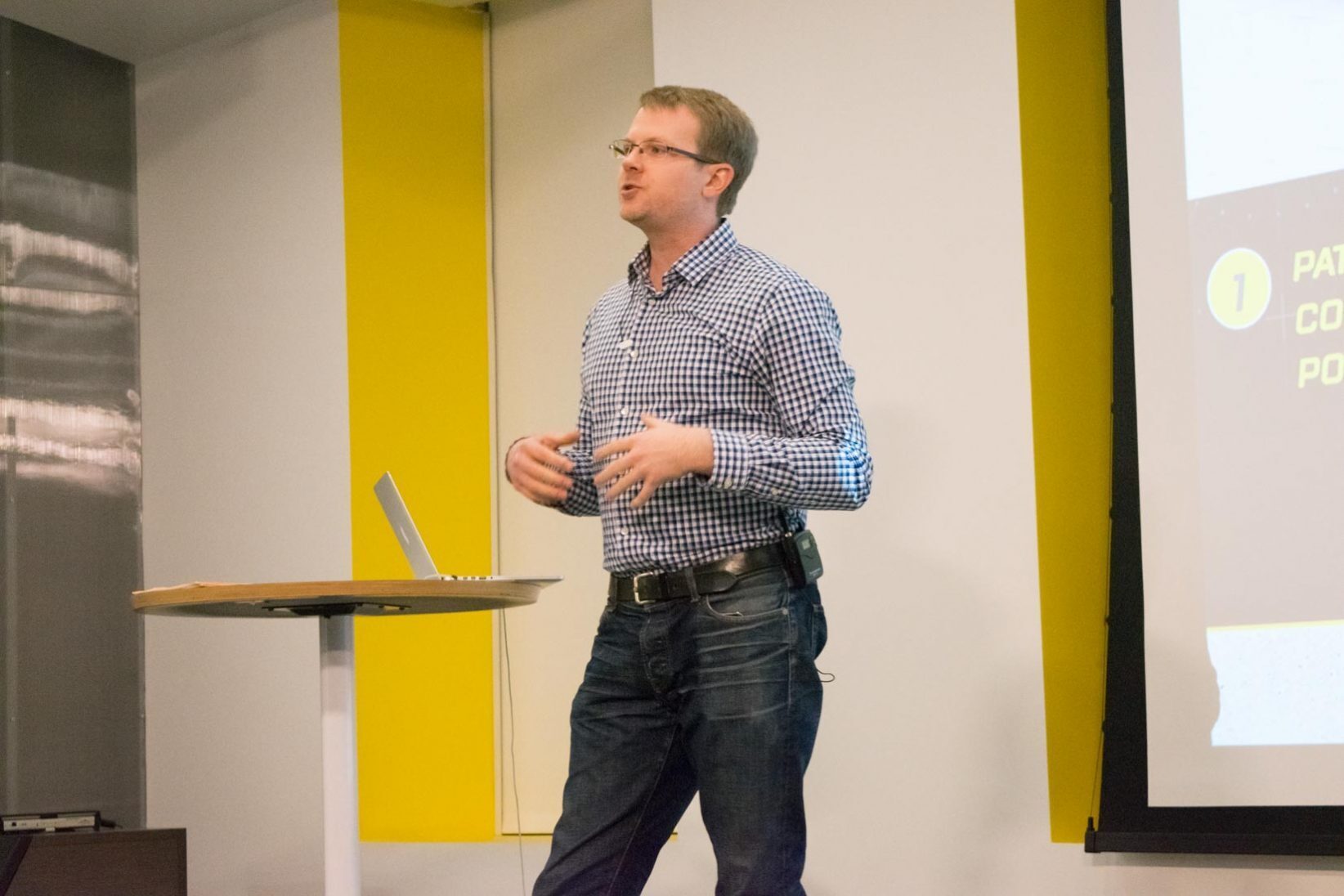
A Kansas City startup founder recently was featured on CNN as an industry expert for his knowledge on autonomous vehicles and the infrastructure that can support them.
After being discovered via a weekend panel discussion at the SXSW Conference, Integrated Roadways founder Tim Sylvester recently was hosted on CNN’s Quest Means Money show. Sylvester’s startup created patented smart pavement with embedded IoT technology that provides connected cars wireless connectivity and reduces roadway expenses.
Intrigued by Sylvester’s views that wireless networks currently cannot adequately support the imminent rise of driverless cars, CNN host Richard Quest asked what infrastructure the U.S. needs in place. Sylvester explained that his firm’s product not only would provide the network needed but also revamp dilapidated U.S. roads.
“We need lots of new American infrastructure but there’s no money for it,” Sylvester said. “While next-gen mobility services need economical ways to deploy dense networks. By marrying the need for next-gen networks to the need for new roads, we can refresh American infrastructure at no cost to the public while making next-gen mobile far more cost effective.”
Sylvester said that sharing his views and company to a national audience carried some nice perks. A “thrilling, but also scary” experience, Sylvester said it was his first national TV appearance.
“As soon as I was off air my social media blew up,” he said. “There are now tens of thousands more people who know what we do and why. … We just hope that someone from the (Trump) Administration was watching and is now researching a new way to build public infrastructure without increased public burden.”
Sylvester added that without venturing to SXSW, the exposure wouldn’t have come. In addition to interacting with other innovators, SXSW offered him a platform on which to grow.
“This is the kind of reason I attend SXSW as often as possible,” Sylvester said. “The CNN production assistant was looking for interesting perspectives on autonomy, and found me because I sat on a panel on Saturday to discuss designing infrastructure for autonomous vehicles.”
The DOTs in Kansas, Missouri and Colorado are already using Integrated Roadways. The firm also entered into a 15-year agreement with MoDOT to serve as the department’s “IoT broker” and will build and operate a testing lab that will enable Missouri to explore the top mobile-Internet innovations.
Check out Sylvester’s appearance on CNN below.
The Race for Driverless Supremacy: Intel buys Mobileye for $15.3 bn https://t.co/t0VtPZ9WnD
— Quest Means Business (@questCNN) March 14, 2017
0

Featured Business

2017 Startups to Watch
stats here
Related Posts on Startland News

KCPS superintendent to city struggling with violence: When do we all come together?
It’s inexcusable for Kansas City to simply accept 130 murders before it’s even December, Mark Bedell said. “Who do you think are committing these crimes?” Bedell, superintendent of Kansas City Public Schools, asked a crowd gathered Thursday for the Lean Lab’s Launch[ED) Day. “Probably people who have been victims of schools that have failed them…
Kauffman Foundation rolls out $1.2M microlending program to help underserved entrepreneurs
Amid a swarm of 160 events as part of Global Entrepreneurship Week, the Ewing Marion Kauffman Foundation announced a new microlending program to spur investment in underserved entrepreneurs. In partnership with four microfinance lenders, the foundation issued a series of grants totaling $1.2 million that a will change the way the nonprofit microlenders capitalize their…
Scared away from networking events? Anti-social introverts can turn to tech
Networking strength comes in numbers — even for anti-social introverts, Jeremy A. Smith told a crowd Tuesday at Global Entrepreneurship Week. “Anti-social people, myself included, hate events,” he said. But like all other entrepreneurs, such introverts still must build and maintain actionable professional networks from which they can request and receive value, Smith said. In-person networking…
Longfellow Farm coworking the soil amid KC’s urban food desert
In a city ripe with coworking office spaces, there’s a hunger for similar environments outdoors, Ami Freeberg said. As with maintaining individual workplaces, traditional urban farming also can be isolating and expensive, the Longfellow Farm manager said. By working together, however, the collaborative process allows for shared resources, greater human expertise and, of course, more…