

Darcy Howe’s hustle grows, guides KCRise Fund in first year
March 2, 2017 | Meghan LeVota
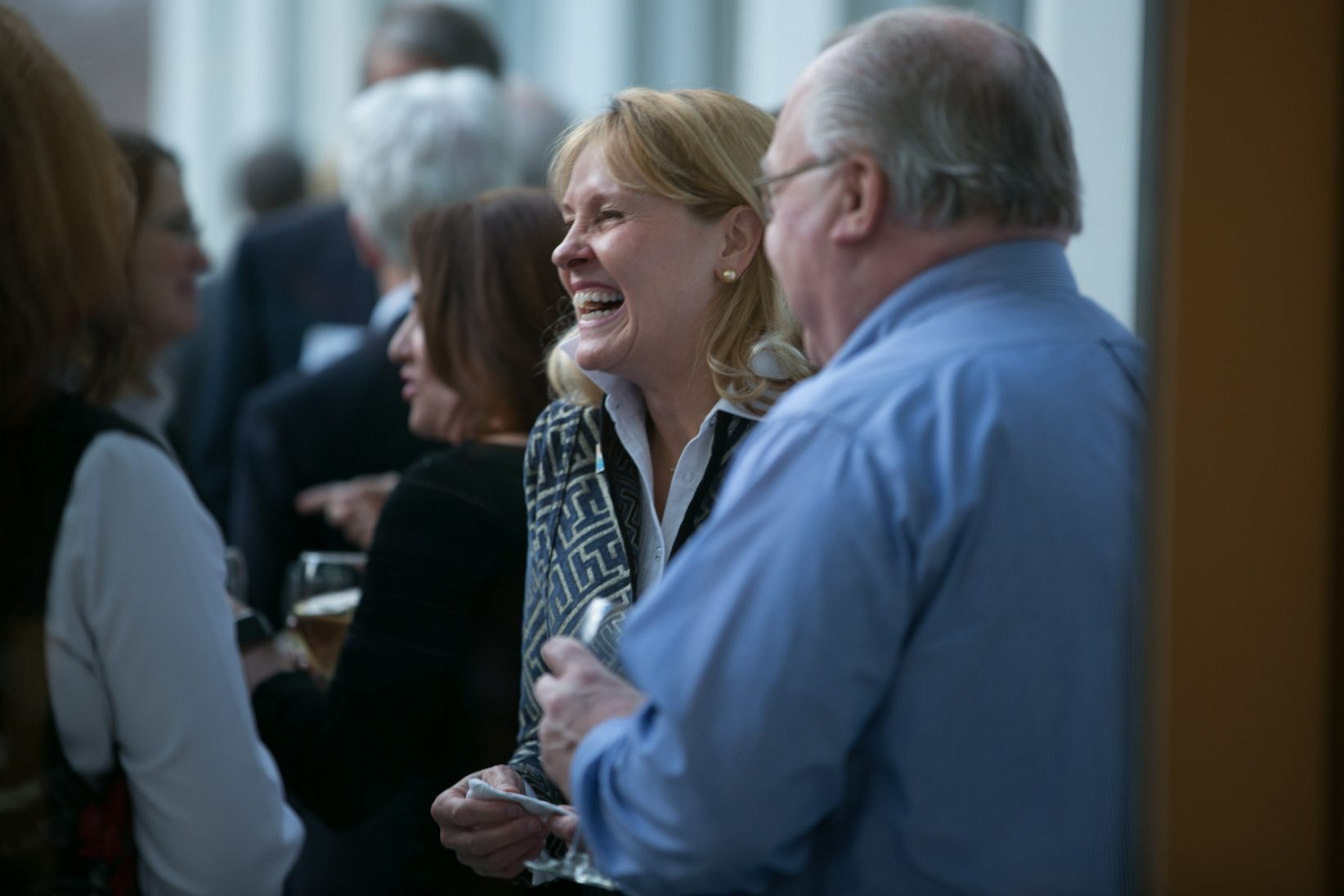
Kansas City may not realize its good fortune with the tenacious manager of a relatively new fund that’s investing in early-stage firms.
Self-described as a builder that’s competitive and impatient, Darcy Howe is weaving her years of determined leadership into the KCRise Fund, which just wrapped up its first year with $14 million in the bank and five portfolio firms.
Despite the grind of building the fund thus far, Howe’s enthusiasm endures.
“For me, when I do something — I go all in,” Howe said. “When I take something on, I’m in to win.”
With over 20 years of angel investment experience, Howe is leaning on her deep connections in the Kansas City area to grow the sidecar fund into a success. Launched in 2016 in conjunction with the regional KC Rising economic initiative, the KCRise Fund aims to create a solution to the regional challenge of early-stage capital access.
While the fund’s impact is beginning to be felt in the area, it’s not without serious hustle on Howe’s part. She’s spent the last 12 months coaxing wealthy Kansas Citians into considering investment in the blossoming area startup community.
With contributions from 45 Kansas City-based investors, the KCRise Fund has raised $14 million of a $20 million goal. It’s also made investments in five Kansas City area companies: PEQ, Dunami, SpiderOak, Innara Health and Blooom.
Howe said she’s been pleasantly surprised by the fund’s ability to engage area investors over the last year.
“People who’ve spent their entire careers working in big corporations and are now retired are just on fire about what’s happening in early-stage,” said Howe, who also co-founded the Women’s Capital Connection in 2008. “It’s not just a small group of leaders who are engaging, it’s the people who are coming out of the woodwork who maybe have sold a business before, but have yet to be engaged.”
Part of the fund’s successful growth lies in its origin story. The fund is a part of the larger KC Rising initiative, which hopes to improve Kansas City’s economic standing after the region’s slow recovery from the great recession. The 10-year initiative will measure progress in three primary economic categories — gross regional product, number of quality jobs and median household income — against 30 cities of similar population.
Howe said that while it’s difficult to quantify the value of the initiative at this point, it’s positively impacting early-stage businesses.
“I’d say I’m on the low side when I say at least 100 people who previously had no engagement in early-stage, who have the ability to be helpful and move the needle in some way, have come off the sidelines within the last year,” Howe said. “I think that’s just the tip of the iceberg of what’s to come in Kansas City.”
Howe underlined the importance of engagement over closing deals. She said that the growth of KCRise Fund — in combination with other entrepreneurial initiatives over the past year — has created a ripple effect in Kansas City culture, and the entrepreneurial ecosystem.
“Ecosystems are built organically,” she said. “The KCRise Fund is a small piece of the whole puzzle, and it’s my responsibility to see it all feed into each other. I see a clear path that could make Kansas City an amazing place that will continue to grow. We just need more people like me to get off the sidelines and give whatever skills and time they have to help.”
Compared to most cities, Kansas City’s amount of early adopters in startup investment is below average, Howe said. But that is not always a bad thing.
“Not everyone can be an early adopter,” Howe said. “But Kansas City is not a boom and bust town. People will adopt, and when they do, they are in it in for the long run. Once people are on board, there is a lot of staying power.”
In spite of her impatience, Howe said that patience is vital. Howe is said she’s optimistic about 2017 and is excited to add more companies to the KCRise Fund portfolio.
“The more Kansas Citians embrace the fact that these companies need more than capital — they need engagement, customers, corporate partnerships, and for families of wealth to understand venture capital — we will all see a benefit,” Howe said.


2017 Startups to Watch
stats here
Related Posts on Startland News
WeWork closing Corrigan Station, once a core hub for Kansas City’s startup community
Coworking giant WeWork on Thursday confirmed the planned closure of its Corrigan Station location in Kansas City — a space once closely intertwined with the local startup scene and its flourishing culture of innovation. “As part of WeWork’s strategic restructuring efforts, we have made the difficult decision to end our operations at Corrigan Station,” a…
Starting a business in KCMO is too expensive, study says; here’s how the city can cut those costs
Entrepreneurs in Kansas City, Missouri, face a higher cost of entry to the world of small business than their peers in St. Louis — or even just across the state line in Kansas City, Kansas, said Jennifer McDonald. “We look at things like how expensive it is to start a business, how complicated it is,…

Royals’ pitch for a Crossroads ballpark isn’t the first; what struck out KC’s plans for a domed downtown stadium 60 years ago?
Editor’s note: This story was originally published by Kansas City PBS/Flatland, a member of the KC Media Collective, which also includes Startland News, KCUR 89.3, American Public Square, The Kansas City Beacon, and Missouri Business Alert. Click here to read the original story. On June 27, 1967, Jackson County voters approved a $102 million general obligation bond…
Scoring Google’s $1B data center feels like Super Bowl overtime as KC keeps notching wins, officials say
Kansas City is hitting it out of the ballpark, said Mike Parson, returning from the governor’s office to the region Wednesday for yet another major economic development announcement — this time, a billion-dollar Google data center coming in 2025. “Maybe I should say, ‘You’re hitting it out of the ballpark and scoring touchdowns,” Parson, R-Missouri, told…