

Kansas City milkman Matt Shatto launches new ag tech company
February 16, 2017 | Meghan LeVota
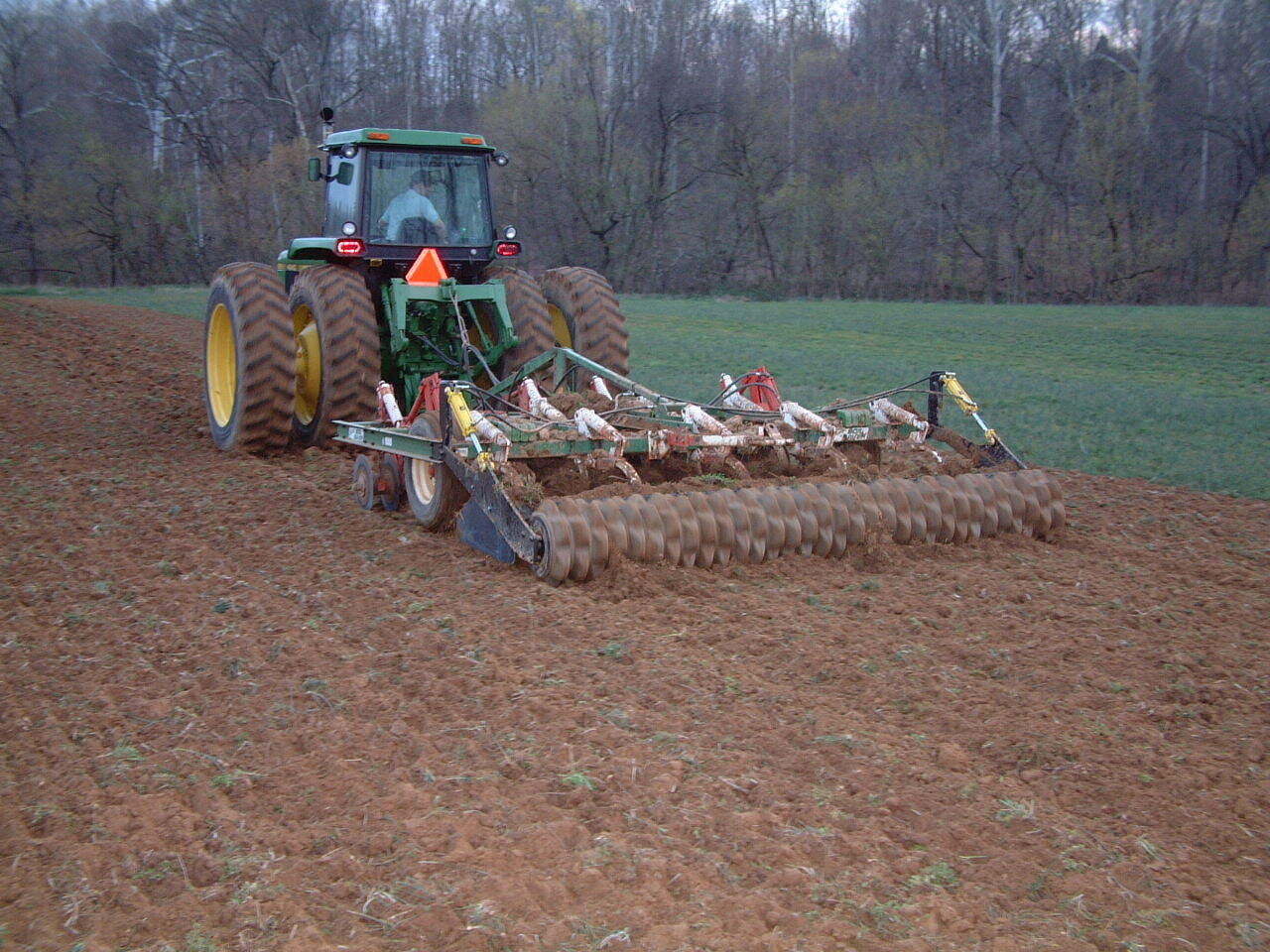
Matt Shatto — co-founder of the the popular Kansas City dairy Shatto Milk Company — is trailblazing new sustainable tech to help farmers reap more crops and reduce costs.

Matt Shatto
Launched in 2016, Kansas City-based TerraManus Technologies created a patented device that helps farmers better manage soil and allocate water resources.
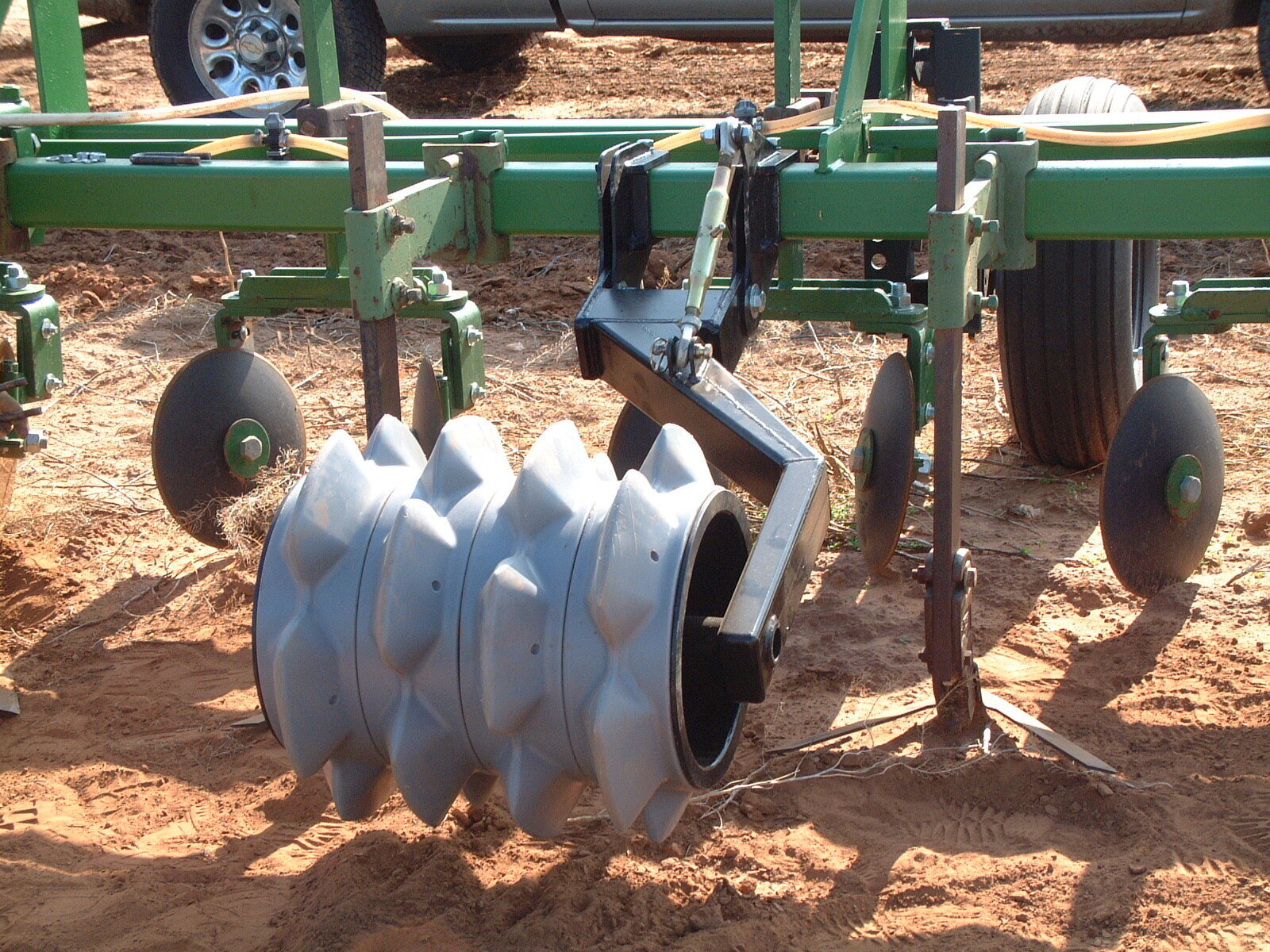
The “TerraStar Disk” looks like a plastic wheel with wide treads that attach to farming equipment such as a tractor or planter. When several disks lineup beside one another, the wheels’ treads create a series of divots, consolidating soil. The consolidated soil enables plants to have more exposure to the sun and increases its access to hydrogen, carbon and oxygen.
“It allows farmers to use less fertilizers, less nitrates, and you could irrigate less,” said Shatto, who’s CEO of the firm. “It’s extraordinarily simple and this can go in and help the smallest farmer — even gardeners — increase their yields.”
After eight years of field testing and research by a team of engineers and agronomists, TerraManus was born. Shatto said that, depending on the crop, the device can increase yields anywhere from nine to 40 percent.
As a startup, Shatto said that it’s important for the firm to sow only the opportunities it can reap. Though most row crops can benefit from the tech, TerraManus will focus first on tomatoes, which research says will have the highest impact.
Last May, TerraManus piloted the TerraStar Disk in Indiana with Red Gold, the Midwest’s largest tomato processor. Via a study in partnership with Purdue University, the group discovered that after three months, Red Gold’s TerraStar plot generated a 75-percent greater yield than the control plot.
“We were astounded by the results,” Shatto said. “We believe that once everyone sees the results of our studies they’ll have no choice but to invest, as we provide such a greater outcome for farmers.”
Shatto said that TerraManus has raised $75,000 of a current $300,000 seed-round offering and is happy with its first few months of sales.
“The investment will be spent on market penetration,” Shatto said. “When you have a brand that’s brand new, we have to get people to understand all the positives that this technology can bring to the world long term.”
In addition to being a handy tool for farmers, Shatto sees potential for the tech to assist the environment and third world countries. TerraStar Disk has been proven to be more a more sustainable option and has been tested in Senegal, Africa through the United States Agency for International Development.
Here is a close up image of what the TerraStar Disks look like:


2017 Startups to Watch
stats here
Related Posts on Startland News
Merchtable powers a chorus of online stores for emerging bands, artists
Lawrence-based Merchtable plays the tune of an accidental tech company, said co-founder Burton Parker, but it’s proven to be a song of success. Operating 200 online merch stores for such varied artists as singer-songwriter Rufus Wainwright, comedian Maria Bamford, avant-garde metal band Neurosis, and a host of podcast, DJ, dance and EDM clients, the business…
Made in KC launching Country Club Plaza marketplace with taproom, food, makers
A new Made in Kansas City retail concept on the Country Club Plaza will offer local makers and food vendors space to grow their product lines, as well as a prominent showcase in one the city’s busiest shopping destinations, said Made in KC co-founder Tyler Enders. “The whole goal of this — which we feel…

I-70 wage gap? Kansas City lags St. Louis on tech pay, snapshot analysis says
St. Louis might be the gateway to higher tech pay — but not by much, according to a new nationwide snapshot analysis of tech industry jobs. The Kansas City metro logged an average tech wage of $90,940 in 2017, falling slightly behind the St. Louis metro at $96,370, based on data released in the Cyberstates…

Roller Warriors skate over 1970s-era stereotypes with message of empowerment
Kansas City Roller Warriors are in the business of self-expression, strengthening team bonds and legitimizing their sport, skaters say. The player-owned roller derby league operates as a limited liability company, but essentially functions as a non-profit, organizers said. Having grown from grassroots origins in 2004 to now a member of the Women’s Flat Track Derby…