

Judge: KC, St. Louis Tesla shops can remain open (for now)
January 4, 2017 | Meghan LeVota
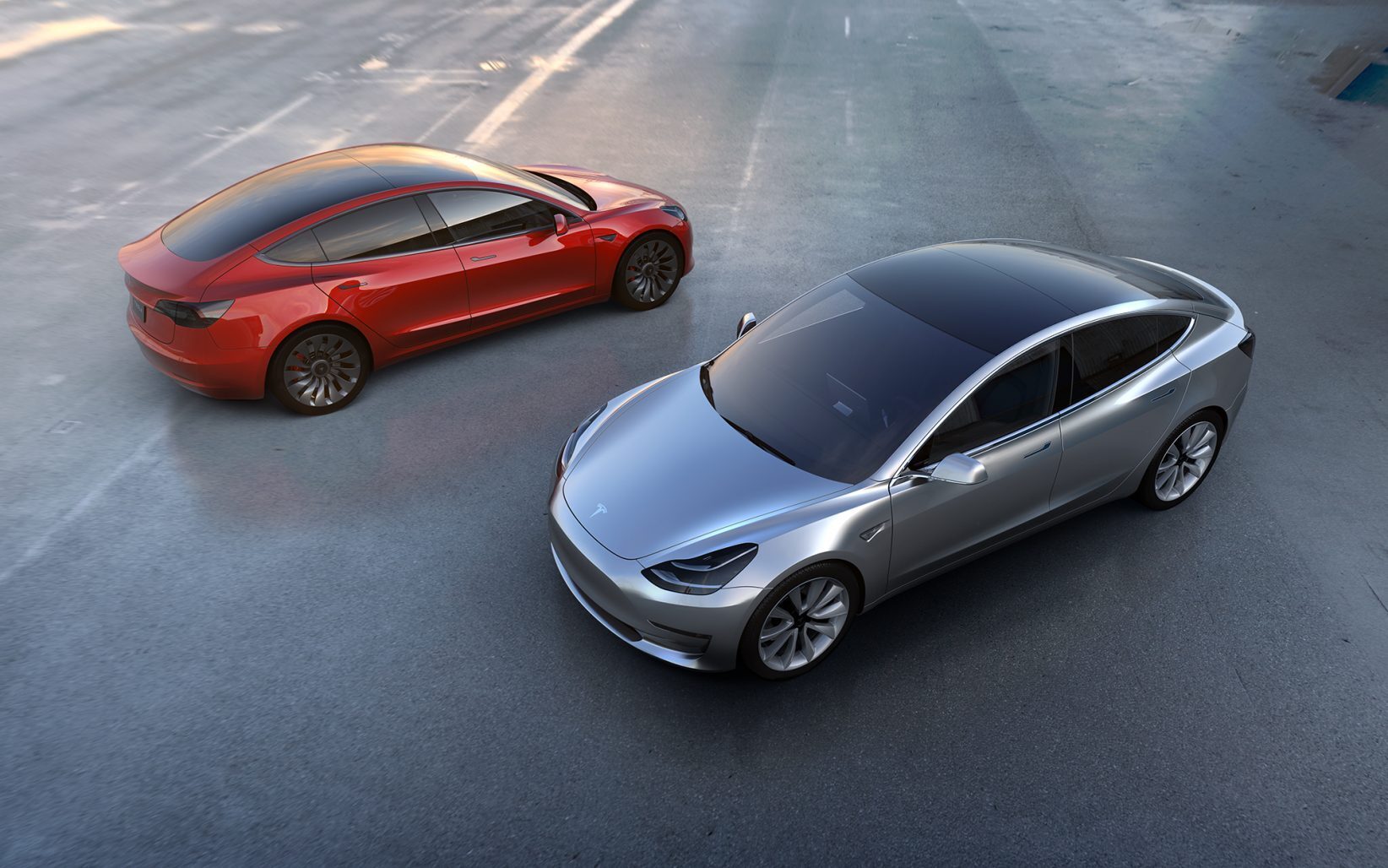
As we said goodbye to 2016, Tesla — along with many other Americans — faced an uncertain future in the Show Me State.
When the clock struck midnight, the auto maker’s license to sell cars in Missouri expired.
This prompted the firm to close its three locations in Kansas City and St. Louis on Saturday — but not for long.
As the lawsuit awaits its final judgement, the Missouri court of appeals ruled Wednesday that Tesla will be allowed to keep its doors open during the appeals process.
“Tesla appreciates the Court of Appeals’ decision to keep our Missouri stores operating,” a Tesla spokesperson said in the St. Louis Post-Dispatch. “We are now arranging to reopen our doors and will do so as soon as possible. Again, we regret this temporary inconvenience to our customers.”
In January 2015, after Tesla established its business in Missouri, the Missouri Auto Dealers Association sued the Missouri revenue department and its director.
The MADA, a Jefferson City-based trade group that represents new-car dealers, pointed to Tesla’s direct-to-consumer model — quite contrary to the traditional franchising model — stating that this directly violates state law.
In August, the electric-car maker company lost a court battle with Cole County Circuit Court Judge Daniel Green, as per the St Louis Post Dispatch’s reporting.
“The Department (of Revenue) and Tesla… argue that Missouri law does not actually require a franchise agreement with another entity, and that Tesla’s issuance of a franchise to itself satisfies any requirement for such an agreement under Missouri law. The Court disagrees,” wrote Green. “… This regulation does not alleviate Tesla from the franchise agreement from Tesla to Tesla; it merely indicates the documents that the Department will accept as proof of a franchise agreement between a franchisor and a separate franchisee. Tesla submitted no such documents, and the Department and Tesla both admit that Tesla has no franchisor, other than Tesla.”
Tesla responded by continuing to do business in Missouri despite the court’s ruling, denouncing the MADA and Cole County Circuit Court as “anti-consumer freedom” and engaging in “anticompetitive behavior,” according to MarketWatch.
Like many disruptive tech firms attempting to navigate traditional laws — the future is still unclear for Tesla. The most recent appeals court ruling, however, grants the tech giant a little wiggle room as we await higher courts.
According to KSHB, Tesla’s Plaza showroom was closed on Monday with a sign stating this:
“Tesla has been lawfully selling cars in Missouri for almost four years and employs numerous people at its Missouri stores. Even so, the Missouri Automobile Dealers Association has been fighting against our ability to continue to sell to our customers, including through a lawsuit that it filed against us. After a recent decision by the trial court, our sales licenses were set to expire on Dec. 31. However, the Court of Appeals is likely to decide on Jan. 4 whether to issue a stay of that decision to prevent an immediate and unnecessary loss of jobs, tax revenue, consumer convenience, and consumer choice for Missourians. We will temporarily close our Missouri sales locations beginning Jan. 1 while we await the Court of Appeals’ decision. We regret this inconvenience to our customers in Missouri.”
Missouri is not the only state in which the direct-to-consumer model has been challenged in favor of franchising. Texas, Michigan and Connecticut are among the states with rulings that prohibit direct sales of Tesla.


2017 Startups to Watch
stats here
Related Posts on Startland News
FanThreeSixty teams with national champs, turning data into actionable plays to boost revenue, KU fan experience
Another national championship title isn’t the only banner win the University of Kansas Athletics is adding to its rafters this year. Weeks after scoring the NCAA men’s basketball title, the university has partnered with Kansas City-dunked FanThreeSixty to better connect with its fanbase in seasons to come. “By partnering with FanThreeSixty, not only will Kansas…
Small biz could be solution to supply chain woes, says Children’s Mercy CEO; Why shared economic prosperity catalyzes innovation
Editor’s note: The following story was sponsored by KC Rising, a regional initiative to help Kansas City grow faster and more intentionally, as part of a campaign to promote its CEO-to-CEO Challenge on supplier diversity. It’s all about the ripple effect of outcomes, said Paul Kempinski, diagnosing the community health potential (and business case) for supplier diversity efforts. Corporate…
Mary Shannon’s two words to describe the complexity of supplier diversity: Competitive advantage
Editor’s note: The following story was sponsored by KC Rising, a regional initiative to help Kansas City grow faster and more intentionally, as part of a campaign to promote its CEO-to-CEO Challenge on supplier diversity. Don’t try to fake your way through diversity initiatives for optics, advised Mary Shannon, noting half-hearted commitment to efforts like supplier diversity — which…
Why a social network for basketball players bounced off court to recruit STEM, solar players
In an industry where connections can mean as much as talent, DeMarcus Weeks envisioned a LinkedIn-type network to create exposure for athletes — specifically basketball players from historically Black colleges and universities, as well as other small schools. Put in his words: to give the small guys a voice by providing them a network to connect…