

Chris Brown: How to split equity in your startup
December 20, 2016 | Chris Brown

Editor’s note: Opinions expressed in this commentary are the author’s alone. This article is general in nature and does not constitute legal advice. Readers with legal questions should consult an attorney.

Chris Brown
When founding a new startup it is common to have disagreements over how much equity each founder should receive.
In this post, we will look at six things you should consider when splitting up your startup’s equity to help you keep moving forward.
Be fair
In my opinion, this is the most important consideration. Research shows that people problems are the leading reason startups fail (see Noam Wasserman’s book for more). Consequently, it is essential that you divide equity fairly. If you don’t, arguments will develop later. And if arguments develop later, your odds of success fall dramatically.
Capital and other contributions
A founder contributing substantial cash resources (or high-value assets, including intellectual property) may demand more equity than those that are contributing very little. Also consider whether one party is guaranteeing a loan or is putting more of their personal life at risk. There are no pre-defined rules on those items, but they all play a part.
Day-to-day responsibilities
Consider how much time each person will be committing to the company moving forward. If one person is quitting their job to devote their entire schedule to the company, they likely deserve more than someone only committing nights and weekends.
Experience & Connections
This is a big one – what is everyone bringing to the table in terms of skills, knowledge, and connections. For example, the people building the product or service (usually developers, designers, or engineers) often command a lot of equity (because they can – they are in high demand, especially in Kansas City). Additionally, someone who has founded multiple successful startups and is well connected to outside resources might expect a larger share.
Whatever you do, don’t undervalue what the other members of your team are bringing to the table. You are more likely to succeed as a team, especially if your team is diverse.
Dilution
Never forget about dilution. As you grow and give away more of your company to investors, employees, advisors, and others, you will get diluted. A 10% ownership stake today can easily turn into 5% tomorrow. What about the idea?
Some people argue the person who came up with the idea deserves more. However, ideas are worthless without execution, so giving someone any amount of control or substantial equity just because they came up with the idea can cause fairness arguments later.
Chris Brown is the founder of Venture Legal, a Kansas City law firm serving the entrepreneurial community, and also b.Legal Marketing, a website development and hosting platform for small law firms. You can follow him on Twitter @CBSCounsel. Sign up for more stories like this by clicking here.


2016 Startups to Watch
stats here
Related Posts on Startland News
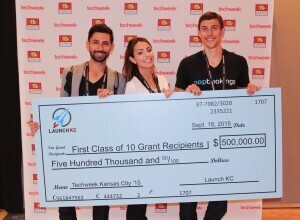
LaunchKC winners reflect on ‘massive opportunity’
Once the dust settled on the LaunchKC grant recipient announcement, the champagne bottles popped. Founders from the 10 winning companies — parred down from a list of 500 — had reason to celebrate Friday afternoon between the promise of $50,000 and the chance to land some office space. Of the 10 recipient companies, six come…

Set your watch: 90 seconds with local innovators, entrepreneurs
It’s coming! Set your watch as we team up with FlatlandKC to highlight Kansas City’s innovators and entrepreneurs, all in 90 seconds. “90 on the Clock” premieres Wednesday, Sept. 23, with Callie England, founder of Rawxies, as she talks about her East Bottoms business and its raw, vegan, and gluten- and soy-free treats. The five-part series continues each Wednesday as the 90-second…
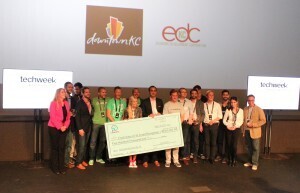
Meet the 10 startup winners of LaunchKC’s $50K
LaunchKC announced the winners of 10, $50,000 grants Friday during a celebration at the inaugural Techweek Kansas City conference. More than 40 judges evaluated pitches from 20 contest finalists, who pitched their companies Friday morning at Union Station before a crowd of about 100 people. LaunchKC kicked off in February and nabbed nearly 500 total applicants…

One-on-one with Square co-founder Jim McKelvey
Startland News reporter Ashley Jost sat down with Jim McKelvey, co-founder of Square and LaunchCode, during his visit to Techweek. Here’s a bit of the conversation. On Kansas City’s strengths as a tech hub … You’ve got the classic things – it’s mostly talent. Kansas City is a town that very few people want to…