

Medical device startup Forest Devices finds local fit with stroke detection tech
October 6, 2016 | Meghan LeVota
Editor’s note: This content is sponsored by LaunchKC but independently produced by Startland News.
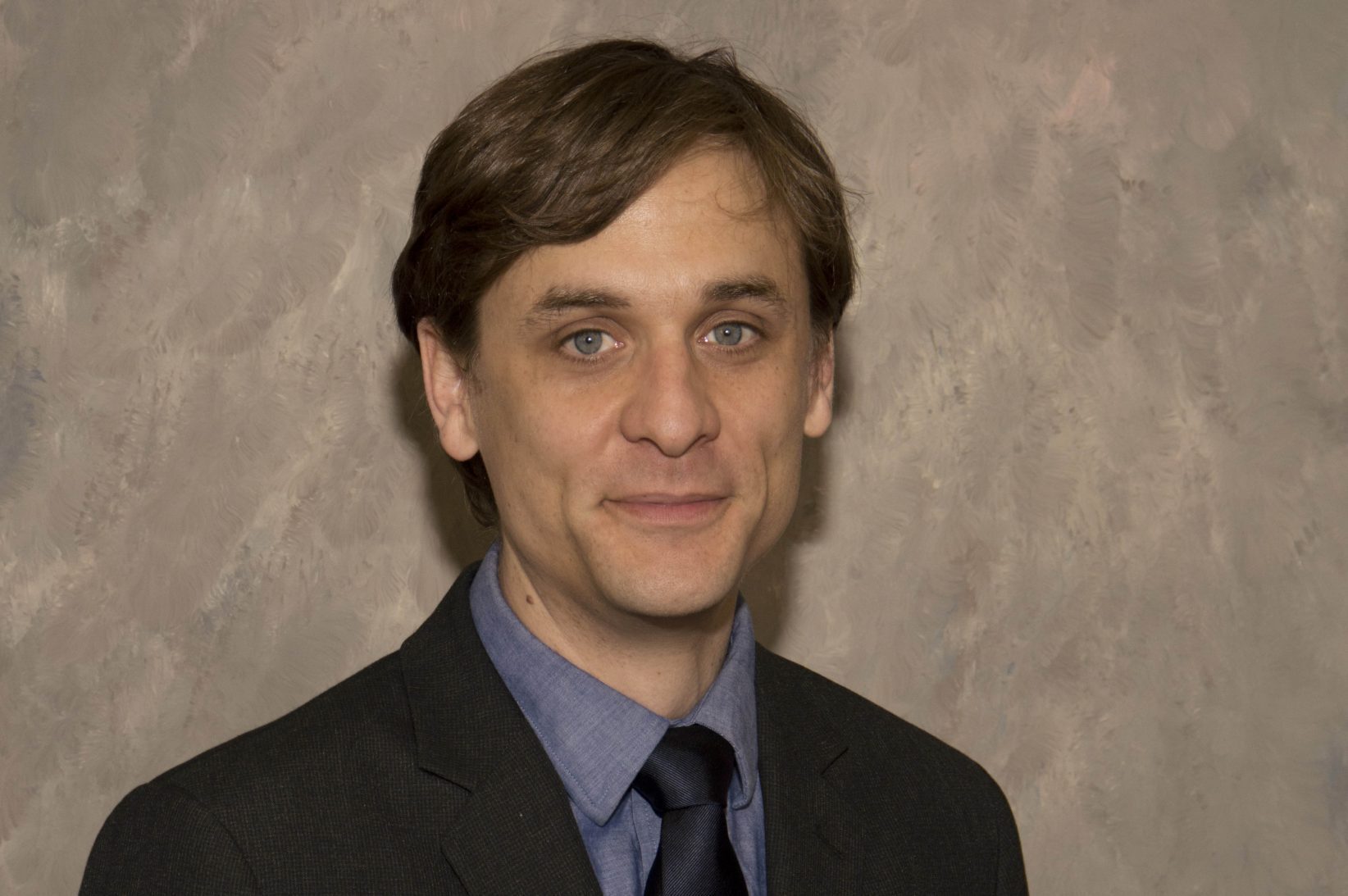
Everyone who goes into medicine is motivated, in part, by their desire to reduce pain and suffering.
That desire is what pushed Matt Kesinger to go to medical school.
In 2009, Kesinger worked as an emergency medical technician in Boston. His first month on the job, he was flabbergasted to find that he failed to detect a stroke in one of his patients.
“I took it really hard at first,” Kesinger said. “I didn’t realize how absolutely common it was to miss a stroke.”
After conducting national scale research, Kesinger learned that half of all strokes — when blood flow to an area of brain is cut off — are undetected before the patient’s arrival at the hospital. Without methods of early detection, Kesinger said strokes lead to thousands of deaths and billions in unnecessary annual costs.
Kesinger examined a plethora of technologies to tackle the problem. After a single “eureka moment,” he realized that the technologies to more effectively detect strokes already existed but that it had yet to be commercialized.
“I believe the efforts I am doing with Forest Devices will impact a lot more people than what I could do in an emergency department.” – Matt Kesinger
At that moment, Kesinger transformed from medicine man to an entrepreneur. And In 2015, Kesinger launched Forest Devices, a medical device startup that is currently developing a stroke screening device called AlphaStroke.
“AlphaStroke is basically an EKG (electrocardiogram) for the brain,” said Kesinger, a co-founder of Forrest Devices. “We’re looking at brain signals and asymmetry. A stroke only happens on one side of the brain, and AlphaStroke can pick up that asymmetry within 60 seconds.”
Via a few electrodes placed on a patient’s head, the AlphaStroke device measures asymmetry in brain waves and oxygen levels in the brain, which allows an EMT to detect a stroke in about one minute. If the AlphaStroke detects a stroke, it allows a medical professional to more quickly transport the patient to a stroke treatment center rather than a hospital that may not be suitable for care.
Kesinger estimates that early treatment of a stroke can prevent up to 6,000 deaths and 300,000 hospital days per year.
Already in a working relationship with Kansas City-based Truman Medical Center, Kesinger said they are seeking various partnership opportunities throughout the Midwest, as well as fundraising. With a team of 6 full-time employees, Kesinger said that monetizing AlphaStroke and reaching FDA approval is still a couple years into the horizon.
Kesinger traveled to Kansas City in September for Techweek, and the firm came home with a $50,000 grant from LaunchKC, along with local office space. Forest Devices is headquartered in Pittsburgh, Pa., but thanks to Kansas City’s central location and proximity to stroke centers, Kesinger believes Kansas City is apt for its expansion.
Kesinger said that the firm’s ultimate mission is to put an AlphaStroke in every ambulance around the nation.
“The reason I am not practicing medicine right now is because I believe the efforts I am doing with Forest Devices will impact a lot more people than what I could do in an emergency department,” Kesinger said. “Although I wish I was drawing the salary that I would be drawing over there — money isn’t everything.”


2016 Startups to Watch
stats here
Related Posts on Startland News
Compute Midwest named top national tech conference
Consistently attracting futurists and tech leaders from around the U.S., Compute Midwest recently was named a national tech conference that shouldn’t be overlooked. Inc. Magazine included the annual, Kansas City-based conference on its “Top Tech Conferences You Can’t Miss This Fall” list, noting the event’s traditionally strong lineup of speakers. Presented by the Disruption institute,…

Dozens of skyrocketing KC firms break into the Inc. 5000
Kansas City held its own on Inc. Magazine’s annual ranking of the nation’s fastest-growing, private companies. The Wednesday unveiling of the Inc. 5000 featured 44 metro firms — including several area tech firms, like k12itc and Rhythm Engineering. K12itc, which in January made Startland’s 2016 top 10 startups to watch, delivers cloud-based IT services to…
Backstitch wants to fix a billion-dollar communication dilemma
With the cost of poor business communication climbing as high as $37 billion a year, Backstitch founders Jordan and Stefanie Warzecha saw an opportunity to clear the air. The married couple — who say communication has never been a problem for them — founded their corporate communications platform in 2012. Backstitch aims to mitigate the…

Google Fiber names local duo as digital inclusion leaders
After a successful first year, Google Fiber — in partnership with the Nonprofit Technology Network — has announced its second round of Digital Inclusion Fellows. As part of the program, fellows will create and lead digital literacy efforts in the 11 metro areas with Google Fiber, including Kansas City. Initiatives include assisting adults with high…