FCC commissioner Ajit Pai’s six strategic steps to close the digital divide
October 11, 2016 | Meghan LeVota
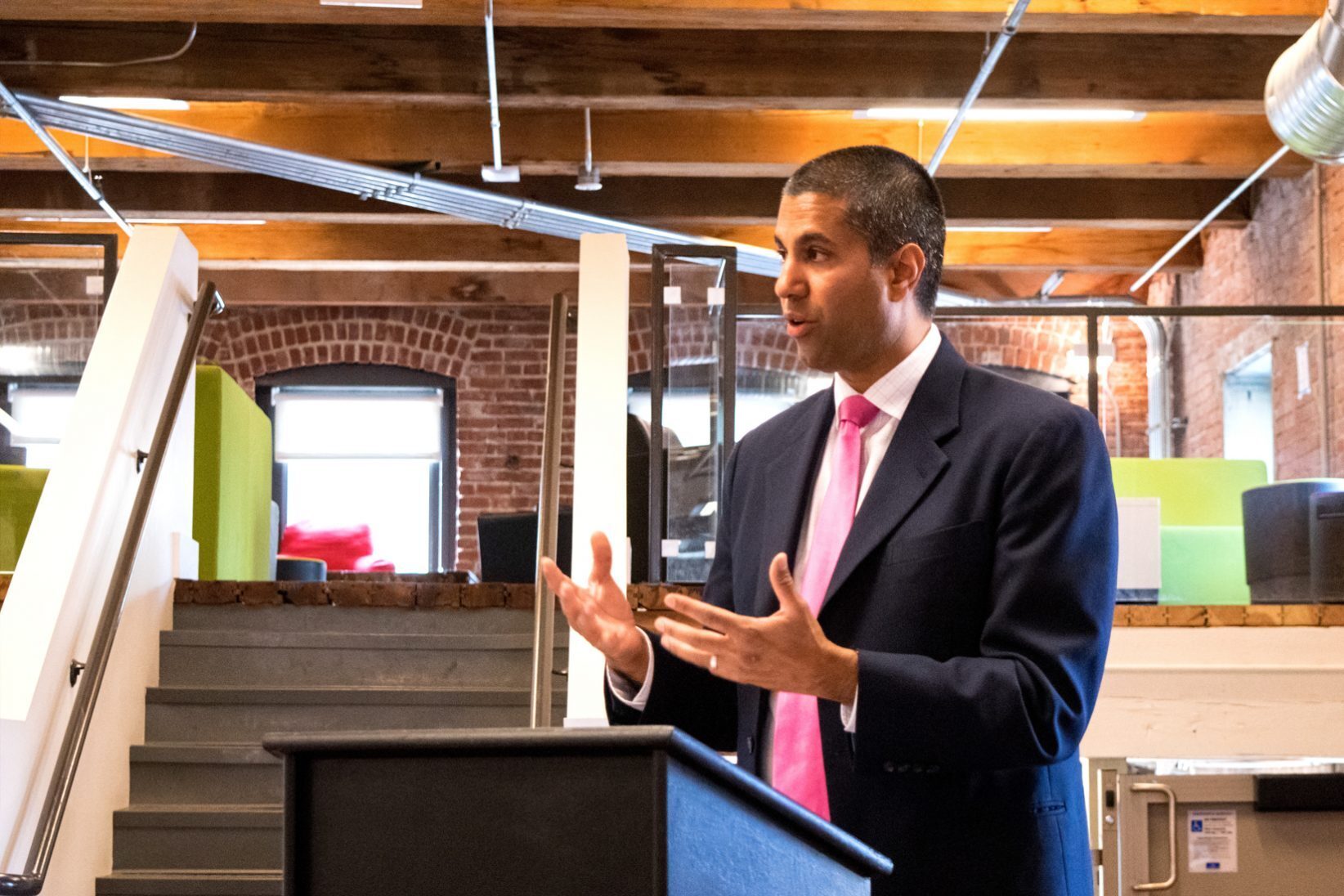
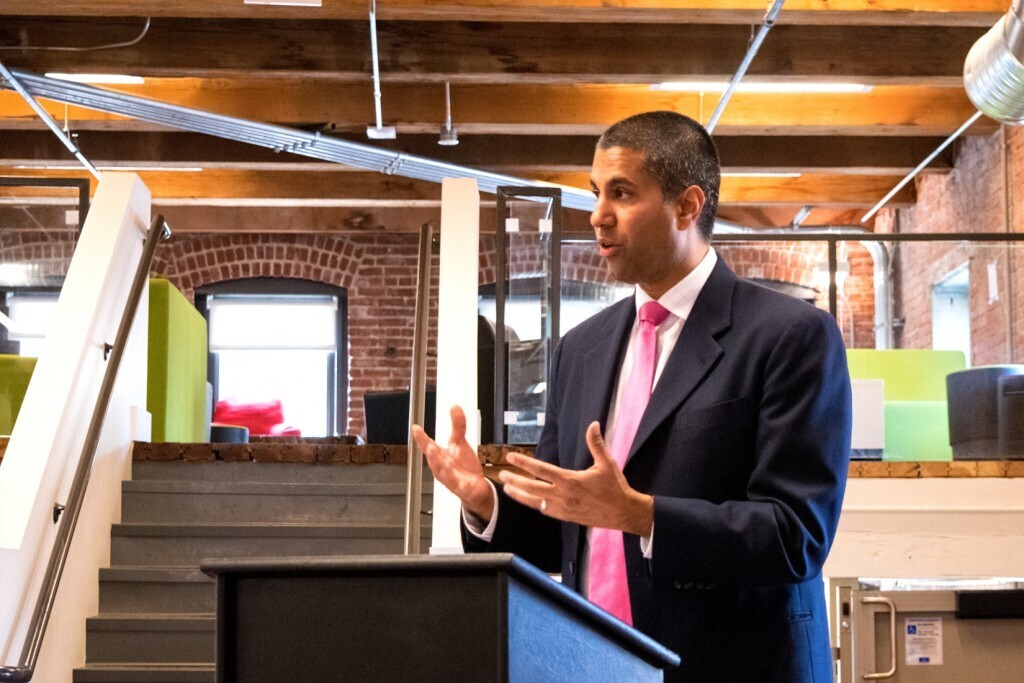
In his second visit to Kansas City within the last six months, Federal Communications Commission Commissioner Ajit Pai stopped by Think Big Tuesday as part of his fight to close the digital divide.
Growing up in a small Kansas town three hours south of the metro, Pai said he’s familiar with the energy and vitality of the Kansas City startup community. He added that the technological revolution is not just for Silicon Valley anymore.
“Way back when, if you had a good idea, the odds were largely stacked against you to bring that idea to fruition, unless you worked within a large organization or had personal connections,” Pai said. “But today, through digital connection, you can start a business, you can raise capital you can immediately reach a worldwide customer base and you can disrupt an entire industry — and that’s a pretty profound change.”
In addition to the entrepreneurial enthusiasm he’s noticed in Kansas City, Pai noted the growing digital divide in the U.S. He’s now working to make sure the 34 million Americans that currently don’t have access to broadband networks will in the coming future as part of his digital empowerment agenda.
“Everyone should have online opportunity,” Pai said. “There is no limit to what Americans could achieve if they become participants in as opposed to spectators of the digital economy.”
Here are six ways that Pai suggests to bridge the digital divide and promote broadband access.
Gigabit opportunity zones
Pai proposed the idea of “gigabit opportunity zones” to congress and is optimistic that the idea can become law in 2017 thanks to bipartisan support.
“The concept is simple,” Pai said. “Provide financial incentives for Internet service providers to deploy gigabit broadband services in low-income neighborhoods.”
His plan will bring tax incentives to startups who take advantage of these networks and create jobs in these areas. He believes that with reduced payroll, entrepreneurs in low-income areas won’t feel compelled to move somewhere else.
Prevent local governments from standing in the way of new broadband networks
Pai said that the law gives the FCC power to do so, and that they should take that power. The more competitors, the better it is for consumers, he said.
“We have to promote more competition,” Pai said. “And ultimately, we have to make broadband more affordable and accessible to all Americans.”
Reform rules governing pole attachments
Before ISPs can offer gigabit service, they must string fiber optics, coaxial cables, and/or other wires on utility poles and through underground conduit. Pai said that the rates for accessing these poles are unreasonably high and that the FCC should consider easing the process.
Develop a model code for cities to encourage broadband employment
Pai said he frequently hears from cities that want gigabit services. He wants to assist cities through the digital transition and doesn’t want anyone to feel as though they’re starting from scratch.
“This code should be forward-looking and fair,” Pai said. “And it should balance the legitimate interests of municipalities with consumers’ demands for better, faster, and cheaper broadband.”
Speed up the deployment of broadband in federal lands
Pai said that it takes twice as long for federal lands to deploy broadband than privately-held land. That’s especially a problem west of the Mississippi River and on Native American Tribal lands.
Pai wants to streamline the process of providing services through new regulation.
Make “dig-once” a central tenet of nation’s transportation policy
Dig-once is a concept that calls for every construction project to include the installation of a conduit that can carry fiber optic anyway.
“Installation is the most expensive part of any new broadband, so why not take advantage of construction that’s already going to happen in order to put the infrastructure in place,” Pai said. “Dig-once has been successful on the local level, and I hope it soon becomes the law of the land.”