

Growing tech startup Campus Eye wants to make schools safer
September 26, 2016 | Meghan LeVota
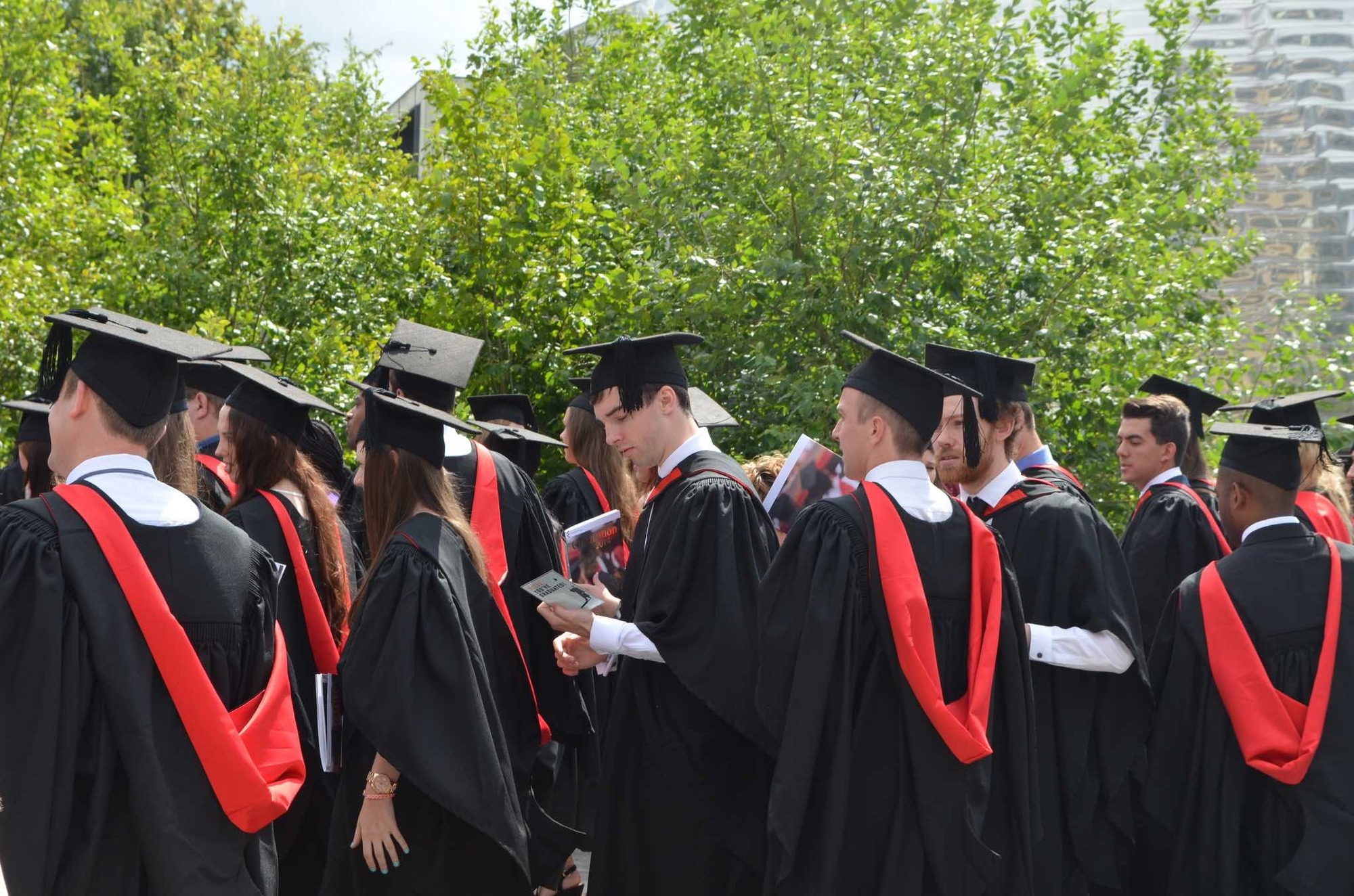
College campuses aren’t the safest place to be.

Rob Sweeney
Nearly one in four female college students in the U.S. have experienced sexual assault. In the same study, 11 percent of female college students said they’ve experienced rape. And since 2013, there has been more than 76 instances of gun violence on college campuses.
Campus Eye founder Rob Sweeney knows the statistics, and since 2014 his company has set out to make schools safer. Sweeny’s firm created an interactive communication app that allows students to easily report safety, facilities or maintenance issues to administration.
The tool also aims to give victims a voice, he said.
“We’re trying to do our part with something that we think is pretty powerful,” Sweeney said. “One of the things we’ve learned about campus sexual assault is the fear that a number of the victims feel when coming forward. What we want to do is give them a tool that will erase some of those fears.”
Universities that adopt Campus Eye begin the process by notifying students about the app — through email, posters or the school website — and directing them to download it. To sign up, students select their university, enter their contact information and any relevant health conditions in case of an emergency.
Once logged in, students can create and send reports by including a photo and a description of the incident. Campus Eye users may choose to file a report anonymously and receive alerts through push notifications.
[pullquote]“We’re trying to do our part with something that we think is pretty powerful.” – Rob Sweeney [/pullquote]
The customizable mass notification system can alert students with whatever information the administration needs — whether that be a robbery on campus, sexual assault or an alert that a student’s submission has been viewed.
Costs vary for schools based on their number of students, from $1,250 to $7,000 per year.
Campus Eye was tested in 2014 at the University of Missouri Kansas City, University of Central Missouri, Missouri Southern State University and Rockhurst University. The service is now used in over 30 college campuses across the nation and is expanding into the K – 12 market.
“We’re pretty aggressive right now,” Sweeney said. “Through this school year we’d like to see it grow to at least several hundred schools across the country.”
This summer, Campus Eye gained many new clients from Minnesota due to a new state law that requires universities to provide online anonymous sexual assault reporting tools for students. 24 Minnesota schools in total are now using Campus Eye’s tech.
Regardless of whether Missouri, Kansas or other states follow Minnesota’s lead, Sweeney said the political climate is leading private institutions in that direction.
Sweeney said that Campus Eye increases efficiency and effectiveness and can prevent campus turmoil when events do happen. One example Sweeney cited was an incident at the University of Missouri when bomb threats on campus were circulated on social media — along with erroneous information. Had Campus Eye been available, administrators could’ve notified students with verified information.
An obstacle Sweeney faces, however, is reaching the decision makers that could implement such a system.
“The challenge for us in reaching these schools is finding the right people to talk to,” Sweeney said. “You can talk to the campus police and they may be interested, but then the facilities people might not have an interest. It’s really until the right people understand what this product can do will it be effective.”
Campus Eye is ambitious about getting the mobile app in the hands of teachers in the K-12 market and recently established a working relationship with Raytown School District. The company is also developing a tool for corporate offices.


2016 Startups to Watch
stats here
Related Posts on Startland News

KC favorites eye World Cup: How to become ‘the spot’ for visitors without losing KC flavor
Even a visitor can become a repeat customer, said Dulcinea Herrera, stressing the importance of Kansas City businesses making their establishments a destination — not just a one-time stopover or accidental find — for international fans and other out-of-town guests when the FIFA World Cup arrives next summer. The goal: Win them over with intentional…
Meet LaunchKC’s winners: $60K prize today; world headquarters in KC tomorrow
Every iconic company headquartered in Kansas City — from Helzberg Diamonds to Hallmark — started with an entrepreneur hoping to scale a small idea into big impact, said Jim Erickson, teasing a next wave of emerging startups and the latest winners of the LaunchKC grants competition. Eight early-stage companies were announced Monday as recipients of…

Tesseract pairs one-button robotic badge with real-time, multi-industry workforce tracking
A new site management platform — complete with wearable robots designed to automatically document work as it happens — is expected to help construction, infrastructure, and military teams gain real-time clarity across their projects and workforce, said John Boucard. “Instead of relying on spreadsheets, manual reporting, or guesswork, leaders now have continuous visual and sensor…

LISTEN: KoraLabs connects AI to the field, helping agtech grow a more sustainable future
On this episode of our 12-part Plug and Play Topeka podcast series, we speak with Luca Corinzia of KoraLabs — an agtech pioneer based in Switzerland that’s bridging the gap between scattered farm data and actionable insights. KoraLabs’ AI-driven “digital twin” platform integrates field data, satellite imagery, soil and weather models to help agronomists and…