

Kauffman Foundation: National startup activity (finally) on the rise
August 4, 2016 | Kat Hungerford
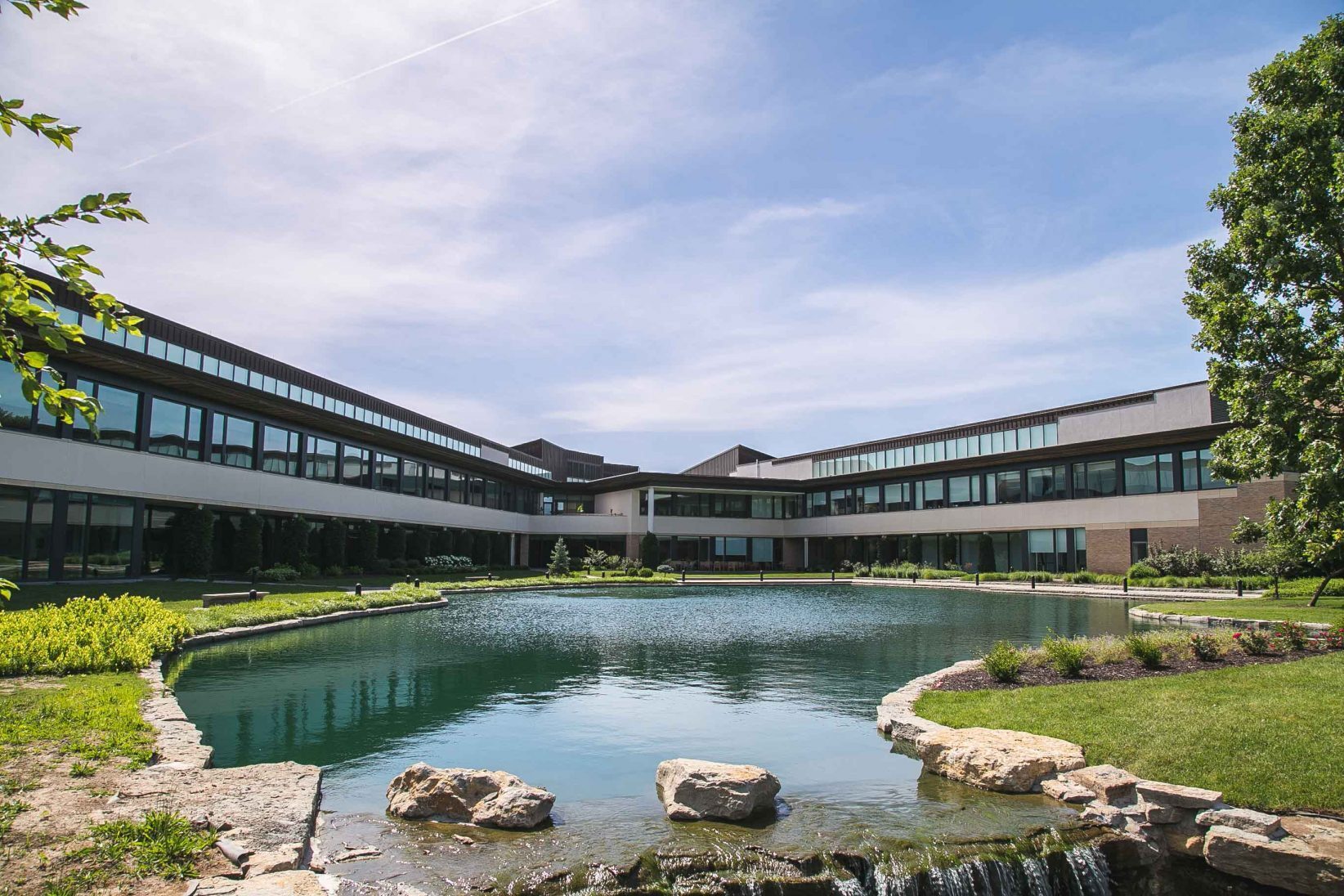
National startup activity is on the rise, according to the Ewing Marion Kauffman Foundation.
The foundation on Thursday released its most recent report on the state of early-stage business in the U.S., which found that new business creation — based on three equally-weighted factors — rose to an index of 0.38 in 2016. It’s the second-consecutive year of growth for new business creation, and came only two years after the lowest level in two decades, the foundation reported.
“The Kauffman Index of Startup Activity” measured the number of new entrepreneurs each month, the opportunity-versus-necessity nature of business creation and startup density. The Kauffman Foundation notes that the index “provides the earliest documentation of new business development across the country.”
The major takeaway, according to researchers, is that business creation is finally on the rise after the Great Recession, which stymied entrepreneurship until 2013.
Here are some other takeaways from the index.
The number of new entrepreneurs each month continues to rise.
Each month in 2015, 330 out of every 100,000 adults became new entrepreneurs, which translates to about 550,000 total new business owners per month. That’s an increase from 2014’s new entrepreneur figure of 310 out of 100,000.
This positive, two-year trend comes after the index in 2013 reached its lowest point since the 1970s, with new entrepreneurs making up only 280 out of 100,000 adults each month.
Demographically, minority entrepreneurship is down slightly from 2014, with 39.3 percent of new entrepreneurs identifying as black, latino, asian or non-white in 2015. 2014 saw that figure at 40.9 percent. Meanwhile, women made up 40.6 percent of new entrepreneurs in 2015, up from 36.8 percent in 2014.
In addition, one’s age doesn’t have a bearing on likelihood to start a business. In 2015, 25 percent of new entrepreneurs were aged 25 to 34, 24.5 percent were 35 to 44, 24.5 percent were 45 to 54 and 24.3 percent were 55-64.
More entrepreneurs are choosing business ownership due to opportunity, not necessity.
The second key marker Kauffman looks at is how many new entrepreneurs start businesses due to opportunity rather than necessity. Kauffman defines necessity as entrepreneurs who, previous to starting their business, were unemployed and looking for a job. In 2015, opportunity entrepreneurs reached 84 percent, up from 79.6 percent in 2014.
Previously, the lowest percentage of opportunity entrepreneurs over the last two decades was during the height of the Great Recession. 2009 saw opportunity entrepreneurs making up about 74 percent of new entrepreneurs.
The number of startups that are hiring employees is still far below pre-Great Recession levels.
Kauffman defines startups as firms that employ at least one person and are less than a year old, seeing the measure as “a key indicator of vibrancy in entrepreneurial ecosystems.” In 2013 — the most recent year for which data is available — startups made up 80.4 out of every 1,000 firms with employees.
Startup density has been falling since 1977, when startups made up more than 160 of every 1,000 employer firms. The lowest point for startup density was in 2010 at an index of 77.7 out of every 1,000 employer firms.
Startup activity by metro area and state is not yet available.
Kauffman hasn’t yet released its 2016 startup activity index for states or metros; however, its 2015 reports can be found here and here, respectively.
Of the 40 most-populated metros in U.S., Kansas City ranked No. 29, losing three spots from previous year. It earned a new entrepreneur rate of .23 percent, an opportunity entrepreneur share of 76.3 percent and a startup density of 137.3 per 100,000 resident population.
Kansas ranked number 25 in the nation for the second consecutive year. In 2014, its new entrepreneur rate was .22 percent, with opportunity entrepreneurs making up 90.1 percent of new entrepreneurs and a startup density of 118.6 startups per 100,000 resident population.
In the same year, Missouri fell 9 places to No. 27. It scored a higher entrepreneur rate and startup density than Kansas at .28 percent and 128.9, respectively, but suffered with its opportunity entrepreneurs, with only 76.8 percent choosing entrepreneurship due to opportunity.


2016 Startups to Watch
stats here
Related Posts on Startland News
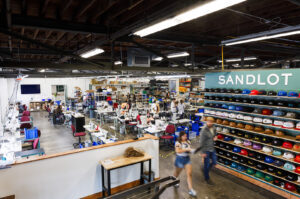
KC hat maker’s sales soar after national news spotlight, capping year with validation: Made-in-the-USA still sells
Santa came early for Sandlot Goods — in the form of an ABC World News producer, said Garret Prather. On Dec. 13, Kansas City’s only local hat manufacturer was featured on the “Made In America Christmas” segment on ABC World News Tonight with David Muir. “Forty-five workers, 10 new hires, and 115,00 hats this year,…
Stand out and stand tall: Father of Tech N9ne, two of KC’s favorite chefs inspired their drive from his Kansas City hair salon
Hassan Khalifah only had to look to his elders for entrepreneurial inspiration, he said. They were a family of bakers, moonshiners, salvagers, restaurateurs, grocers, pool hall operators, and nickel-and-dime candy shop owners. After a short time working for the city, Hassan opened several small businesses before a three-decade career as a salon owner. Four of…
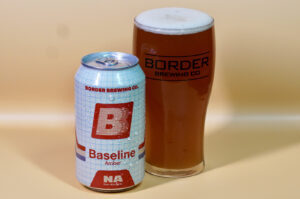
Trendsetting Crossroads brewer taps another first: KC’s only locally-owned non-alcoholic beer
A star on the Kansas City craft beer is setting a new baseline for inclusivity on the local brewing scene, said Eric Martens, introducing the metro’s first hometown non-alcoholic beer — a product of months dedication and innovation, he added. Border Brewing Co. on Friday announced its new Baseline brew — a canned offering crafted…

Malisa Monyakula wants to welcome you home for the holidays; she already has an igloo waiting
Adding pop-up holiday experiences at her popular Kansas City businesses is a way for Malisa Monyakula to bring back nostalgic memories of her childhood in Thailand, the restaurateur behind Lulu’s Thai Noodle Shop said. “Christmas is everywhere in Thailand,” she said, noting the classic American holiday celebrations are vibrant despite the country’s predominantly Buddhist population.…