

Backstitch wants to fix a billion-dollar communication dilemma
August 17, 2016 | Meghan LeVota
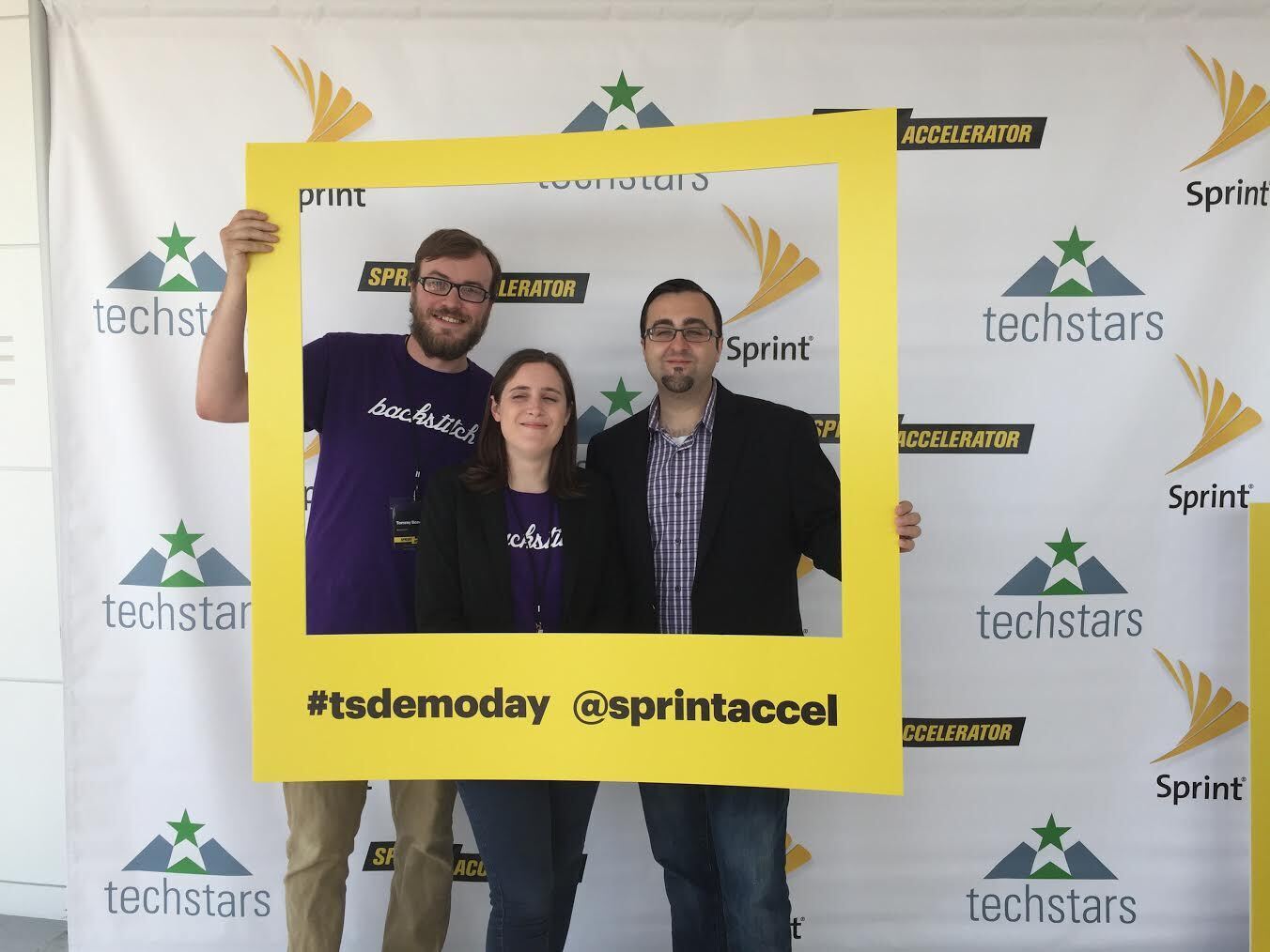
With the cost of poor business communication climbing as high as $37 billion a year, Backstitch founders Jordan and Stefanie Warzecha saw an opportunity to clear the air.
The married couple — who say communication has never been a problem for them — founded their corporate communications platform in 2012. Backstitch aims to mitigate the impacts of poor internal communication by helping companies engage their employees directly.
The Backstitch platform allows companies to create customizable intranets for a variety of communications, from sending newsletters and aggregating outside content to optimizing messaging and training for different jobs within the organization. The company can also monitor engagement to make sure messaging is being seen and not lost in employee inboxes.
“When the culture at the top creates bad communication and employee engagement, it is hard to get them to see the light.” – JordanWarzecha
“When people are miscommunicated with or missing things, it divides your culture and people aren’t brought into the one vision of their organization,” Jordan said. “Communication is such a core driver of how a company operates, so not doing it properly is the difference between a place that nobody wants to work for, and a place where people are excited to come in every day.”
Jordan said that he believes the culture around communication is beginning to change.
“When the culture at the top creates bad communication and employee engagement, it is hard to get them to see the light,” he said. “Large organizations or even certain industries have been traditionally harder to change, but luckily we’re seeing a lot of the stubbornness to fade away.”
Jordan said poor company communication can lead to lost sales opportunities, failure of policy and procedure, and constant retraining due to employee misunderstanding. Conversely, companies who communicate well have greater opportunity to make gains in their company, according to Jordan.
The software-as-a-service platform has the ability to be embedded as a widget into existing intranets, or stand alone as its own platform. Employees are granted different permissions and can filter content depending on their role. Backstitch sends push notifications, allows for customizable layouts and gives insights on how employees are engaging. It operates on a monthly subscription model, with prices starting at $2 per employee.

Backstitch was originally launched as a free tool for consumers to curate content, but pivoted into a business service in 2014. With workplace engagement the lowest it’s been in eight years, Jordan and Stefanie wanted Backstitch to be a solution for overflowing and unread email and outdated intranet models. Jordan noted that the business communication space has been an afterthought for several years, and that the process is broken.
Jordan and Stefanie are currently raising funds and are focused on scaling the company, presenting Backstitch to a wide variety of industries and company sizes.
This fall, Backstitch will reveal an additional tool geared towards creating your own content called Backstitch Studio. Jordan said this will come with more content customizability and will be introduced as a transition for smaller organizations that currently communicate on intranet systems and are looking for a stepping stone before they move on completely.
Originally from Detroit, the Warzechas came to the Kansas City area this February for the Sprint Accelerator program, which injected $125,000 into the firm from TechStars. Since then, Backstitch has opened an office in Kansas City and hired one local employee to join their team of four.
Although the company is currently still headquartered in Detroit, Jordan and Stefanie say that with the advantages of the area, they may decide to permanently stay in Kansas City. That’s partially due to the welcoming nature of the Kansas City startup community, which is something they didn’t experience in Detroit.
He said that he tries to meet meet at least three new people for coffee a week, but that often becomes six coffee dates. That’s not something he experienced in Detroit or many other places in the country.
“The business community here has been phenomenal,” Jordan said. “We couldn’t believe how open people were to make connections, so that was really refreshing.”
Jordan said that working with Stefanie so closely — and their excellent communication with each other — has helped their efforts in creating a communication-focused business. Jordan said working with Stefanie has always felt natural.
“A startup requires a lot of hours — there’s a lot of stress involved and it requires a lot of communication,” Jordan said. “With Stefanie there’s never any resentment like ‘I have to leave early and spend time with my wife because I’m spending too much time on work’ because we spend time together. Our goal is so aligned.”

Featured Business

2016 Startups to Watch
stats here
Related Posts on Startland News

How this founder’s hobby (plus a little trouble) became Oak Park retail incubator’s biggest success story
“Big Chunky Blankets” — soft as a baby’s cheek and custom knitted in any color of the rainbow — folded into the foundation of what would become Maryann Nzioki Hult’s resilient, nearly pandemic-proof foray into entrepreneurship. They put local Tabu Knits on the online map of must-have-items, and then became the seed of two Johnson…

Big win for UMKC: Unlocking top tier research status gives KC new competitive edge
A new milestone for the University of Missouri-Kansas City — achieving status as Kansas City’s first Carnegie R1 research institution — is expected to help boost the region’s ability to start, grow and scale more startups, leaders said this week, emphasizing the role university-led research plays in innovation across industries and communities. “It’s absolutely massive…

KC Bier Co building new 30,000-square-foot urban beer garden; founder brewing a space for all
A Kansas City-built, German-style brewery is expanding to Lenexa — bringing an authentic Bavarian beer garden experience to Johnson County, said founder Steve Holle. Developed in partnership with West Star Development, the new KC Bier Co. venue will feature a large outdoor space, an indoor restaurant, private event areas, and a stage for live music…

Founder Problems: Podcast captures the ‘messy middle’ you don’t see on entrepreneurs’ highlight reels
A new Kansas City-based podcast is skipping over the fairy tale stories of founding a startup; instead diving straight into the messy parts, the hosts shared. Founder Problems — hosted by local entrepreneurs Sarah Schumacher, Zach Oshinbanjo, and Lee Zuvanich — is embracing the aspects of starting and running a business that no one wants…