

Backstitch wants to fix a billion-dollar communication dilemma
August 17, 2016 | Meghan LeVota
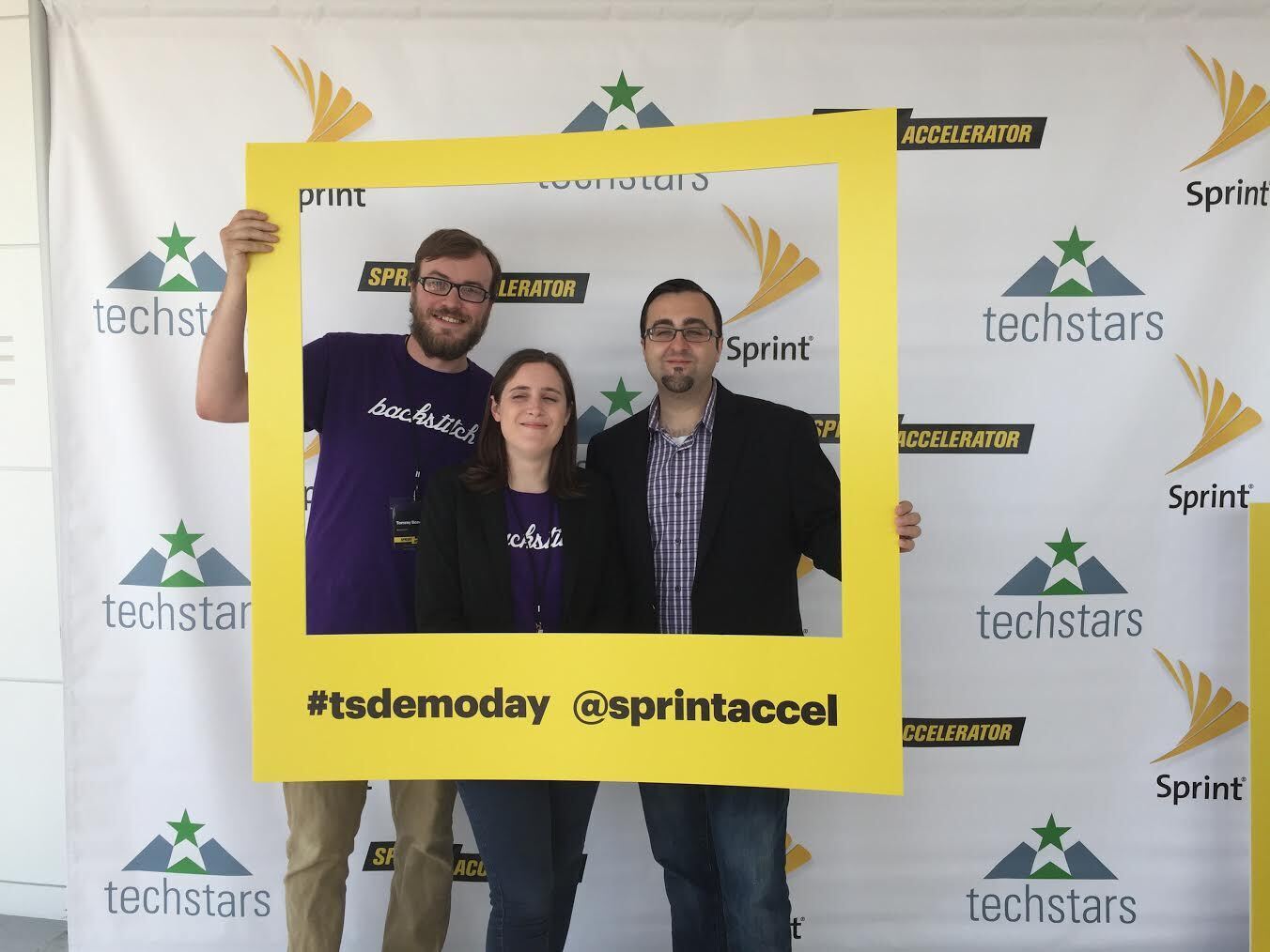
With the cost of poor business communication climbing as high as $37 billion a year, Backstitch founders Jordan and Stefanie Warzecha saw an opportunity to clear the air.
The married couple — who say communication has never been a problem for them — founded their corporate communications platform in 2012. Backstitch aims to mitigate the impacts of poor internal communication by helping companies engage their employees directly.
The Backstitch platform allows companies to create customizable intranets for a variety of communications, from sending newsletters and aggregating outside content to optimizing messaging and training for different jobs within the organization. The company can also monitor engagement to make sure messaging is being seen and not lost in employee inboxes.
“When the culture at the top creates bad communication and employee engagement, it is hard to get them to see the light.” – JordanWarzecha
“When people are miscommunicated with or missing things, it divides your culture and people aren’t brought into the one vision of their organization,” Jordan said. “Communication is such a core driver of how a company operates, so not doing it properly is the difference between a place that nobody wants to work for, and a place where people are excited to come in every day.”
Jordan said that he believes the culture around communication is beginning to change.
“When the culture at the top creates bad communication and employee engagement, it is hard to get them to see the light,” he said. “Large organizations or even certain industries have been traditionally harder to change, but luckily we’re seeing a lot of the stubbornness to fade away.”
Jordan said poor company communication can lead to lost sales opportunities, failure of policy and procedure, and constant retraining due to employee misunderstanding. Conversely, companies who communicate well have greater opportunity to make gains in their company, according to Jordan.
The software-as-a-service platform has the ability to be embedded as a widget into existing intranets, or stand alone as its own platform. Employees are granted different permissions and can filter content depending on their role. Backstitch sends push notifications, allows for customizable layouts and gives insights on how employees are engaging. It operates on a monthly subscription model, with prices starting at $2 per employee.

Backstitch was originally launched as a free tool for consumers to curate content, but pivoted into a business service in 2014. With workplace engagement the lowest it’s been in eight years, Jordan and Stefanie wanted Backstitch to be a solution for overflowing and unread email and outdated intranet models. Jordan noted that the business communication space has been an afterthought for several years, and that the process is broken.
Jordan and Stefanie are currently raising funds and are focused on scaling the company, presenting Backstitch to a wide variety of industries and company sizes.
This fall, Backstitch will reveal an additional tool geared towards creating your own content called Backstitch Studio. Jordan said this will come with more content customizability and will be introduced as a transition for smaller organizations that currently communicate on intranet systems and are looking for a stepping stone before they move on completely.
Originally from Detroit, the Warzechas came to the Kansas City area this February for the Sprint Accelerator program, which injected $125,000 into the firm from TechStars. Since then, Backstitch has opened an office in Kansas City and hired one local employee to join their team of four.
Although the company is currently still headquartered in Detroit, Jordan and Stefanie say that with the advantages of the area, they may decide to permanently stay in Kansas City. That’s partially due to the welcoming nature of the Kansas City startup community, which is something they didn’t experience in Detroit.
He said that he tries to meet meet at least three new people for coffee a week, but that often becomes six coffee dates. That’s not something he experienced in Detroit or many other places in the country.
“The business community here has been phenomenal,” Jordan said. “We couldn’t believe how open people were to make connections, so that was really refreshing.”
Jordan said that working with Stefanie so closely — and their excellent communication with each other — has helped their efforts in creating a communication-focused business. Jordan said working with Stefanie has always felt natural.
“A startup requires a lot of hours — there’s a lot of stress involved and it requires a lot of communication,” Jordan said. “With Stefanie there’s never any resentment like ‘I have to leave early and spend time with my wife because I’m spending too much time on work’ because we spend time together. Our goal is so aligned.”

Featured Business

2016 Startups to Watch
stats here
Related Posts on Startland News

Meet KC’s cowpunk basement guitar hero: This DIY dreamer is demanding more from himself
Kansas City’s DIY music scene has long been a hub for raw, creative talent — with eclectic frontman Kole Waters quickly becoming one of its standout names. As the lead guitarist and co-vocalist for post-country phenomenon Big Fat Cow and the centerpiece of synth-infused Dreamist, Waters blends influences ranging from folk storytelling to cathartic soundscapes.…

Build to barrel: Inside Holladay Distillery’s ironclad plan to boost bourbon production by one-third
WESTON, Missouri — Holladay Distillery is breaking ground with Rickhouse D — its first new barrel-aging warehouse in 75 years — marking a major step in expanding bourbon production from the historic plant. Renowned as the only Missouri operation to age bourbon in ironclad rickhouses, Weston-based Holladay Distillery is increasing capacity to meet surging demand,…

So you think you’re CEO material? UMKC’s ‘CEO Academy’ puts that ambition to the test
Aspiring executives with an eye on the C-suite need to be ready well before the opportunity arises, said Dan Hesse, leaning on his years of past experience as president and CEO of Sprint. It’s not about just being the boss, he emphasized. “Of all the roles, that of the CEO is so different than any…
Pitch locally or look to outsiders? How founder bias toward funding at all costs could leave your distracted startup without a why
Kansas City’s funding gaps often feel deeper for women entrepreneurs, two top founders said Tuesday, describing a startup ecosystem that pits emerging entrepreneurs against each other — but perhaps more critically, against time — in a highly competitive fight for a limited amount of local capital. “Kansas City is very startup friendly — at least…