

KCMO transit plan sets route for automated shuttles to KCI airport
June 2, 2016 | Bobby Burch
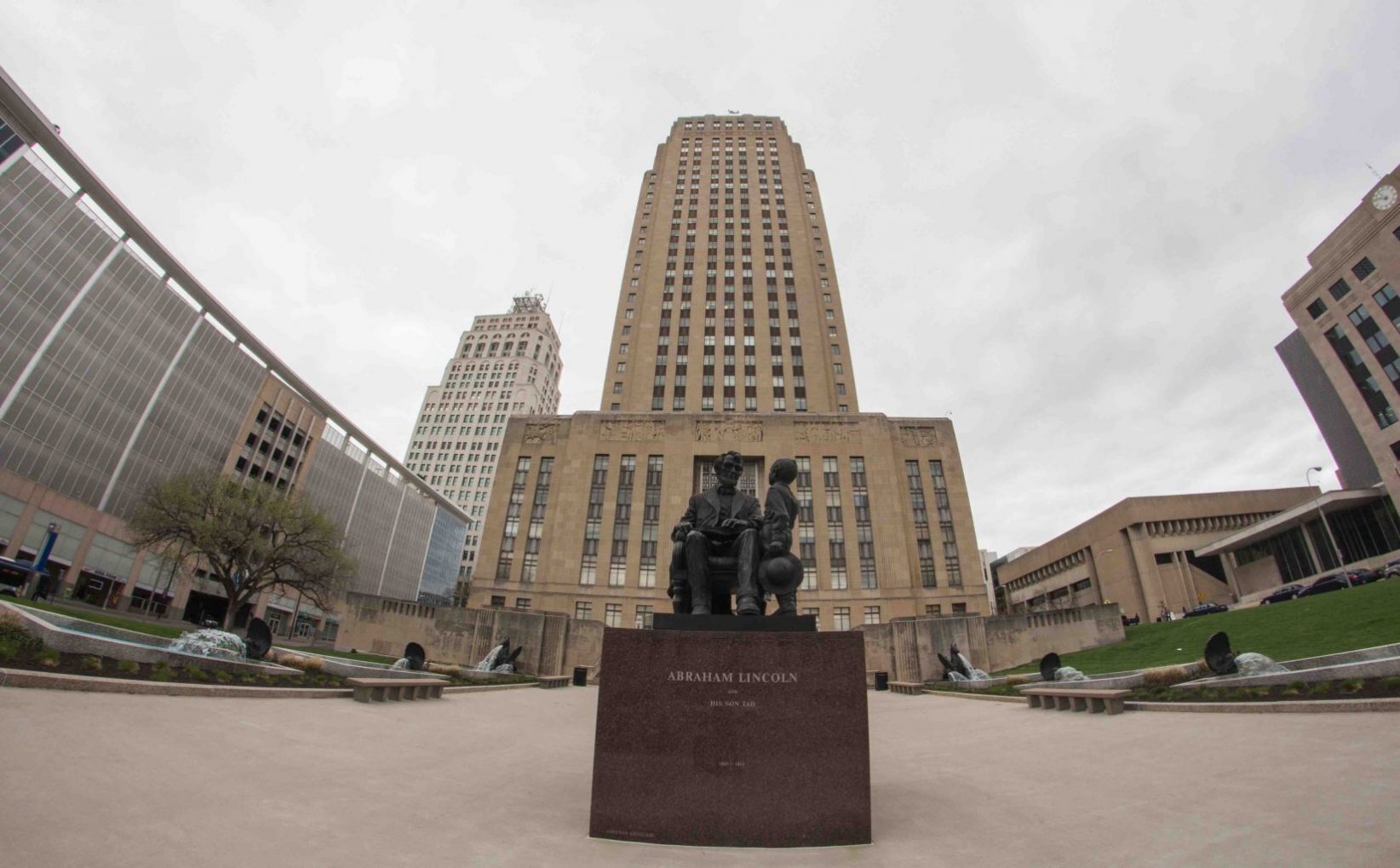
Area residents will ride to the airport on automated shuttles by 2020 if Kansas City officials have their way.
In a note to the American Planning Association, Kansas City chief innovation officer Bob Bennett shared the city’s “three pillars” of its bid for a $50 million transportation award. The note details Kansas City’s pitch for the “Beyond Traffic Smart City Challenge,” including plans for driverless shuttles, improving opportunities for underserved populations and smart city expansion.
Kansas City is one of seven finalists for the “Beyond Traffic Smart City Challenge,” which will dish $50 million to a mid-sized city dealing with rapidly-changing transportation needs. More than 70 corporate, civic and startup leaders in Kansas City have helped shaped the bid to the U.S. Department of Transportation.
Bennett said that Kansas City’s plan leverages a number of the city’s assets. It will tap existing electric vehicle charging infrastructure, the emerging tech sector and support from partners like Google Fiber.
Let’s dive into Kansas City’s three-pillar plan.
Automated connected and electric vehicles: Advancing safety, mobility, accessibility and clean transportation
If awarded the $50 million, Kansas City would create a massive testing ground for autonomous vehicles.
The city would establish a 20-mile testing corridor for autonomous vehicles around Kansas City International Airport, downtown and the Prospect Corridor in east Kansas City.
An autonomous shuttle system would be deployed along 11th, 12th and 18th streets, according to the plan. The shuttle system will connect the current 2.2-mile streetcar line and the downtown smart city project to the 18th and Vine Jazz District and the West Side community.
“The 20-mile corridor from KCI Airport to the downtown area will serve as a highway test corridor for connected and semi-autonomous vehicles in addition to connecting passenger terminals at KCI to the downtown area, and provide state-of-the-art transportation to visitors and residents,” the plan reads.
Prospect corridor: Developing ladders of opportunity for eastern Kansas City
This pillar hopes to transform Kansas City’s east side along the Prospect Avenue Corridor, an area that officials say needs economic revitalization to help underserved populations.
As part of the plan, the city will digitize and expand a new MAX rapid bus line to increase mobility throughout the Prospect corridor. Improvements aim to create faster bus routes and supplement their operations with technology, including interactive kiosks offering real-time transit information and wireless internet access.
The city also would work with local community organizations to provide digital training programs, educational opportunities and improve internet access. In addition to bridging the digital divide, officials hope the plan will create economic opportunities and improve safety in east Kansas City.
Connected and empowered communities: Connecting citizens spatially and virtually
The final pillar will supplement existing city efforts — namely the smart city initiative — to foster an environment ripe for innovation.
This plan hopes to “create infrastructure and digital connectivity that will holistically link the city together” via the $15.7 million, public-private smart city project in downtown Kansas City.
The plan would build on the city’s popular 2.2-mile streetcar starter line, which recently synced its launch with the smart city project’s kickoff. The smart city’s Wi-Fi network stretches across more than 50 square blocks in downtown and will enable connectivity between the project’s sensors and devices. The initiative includes 125 “smart” streetlights along the streetcar line and 25 touchscreen kiosks that offer information on city services, nearby restaurants and real-time information collected from smart city sensors.
This facet of the plan aims to empower the city and its citizens with more information on city operations. With information collected via the smart city, officials will be better prepared to respond to problems and citizens will have more avenues to learn about city services and area events.
The other cities named as finalists for the $50 million award were: Austin, Columbus, Pittsburg, Denver, Portland and San Francisco. Kansas City will find out if it’s the ultimate winner of the award in June.

Featured Business

2016 Startups to Watch
stats here
Related Posts on Startland News
This keychain could stop an opioid overdose; carry the antidote — not the burden of guilt
ST. LOUIS — Easy access to life-saving naloxone (better known by the brand name Narcan) could’ve prevented the fatal overdose of Danielle Wilder’s close friend in college, the tragedy-prompted entrepreneur said. Her friend was in possession of naloxone — a fast-acting medicine that can reverse the deadly impacts of an opioid overdose when delivered near-immediately…

Brookside restaurant spot shifts from Irish to Mexican flavors as two families expand their dream
Two longtime friends and their daughters — all seasoned restaurant workers — are joining together in a new East Brookside restaurant they can call their own. Muy Caliente Grill & Cantina is scheduled to open later this month at 751 E. 63rd St., Suite 110, in the former Brady & Fox restaurant. Owners Fredy Rivera…
Landlord’s solution to Kansas housing crisis: 3D print his own home inventory
TOPEKA — Regularly confronted with a lack of supply in the housing market — and the subsequent higher prices — landlord and general capital investor Chris Stemler faced a multi-dimensional challenge. “I thought to myself, ‘How do I help solve an inventory problem?’ the Topeka-based Trident Homes founder said. “I know I’ve got renters who…
Just-launched retail hub gets first tenant, battling ‘blight of the heart’ on Troost corner
‘We are each other’s bootstraps’ Transforming a long-vacant building along Troost into a space for neighborhood small businesses is about empowering the entrepreneurs already living and working in the east side community, said Father Justin Mathews. The newly unveiled RS Impact Exchange — built within the renovated, 1920-built Baker Shoe Building at 3108-3116 Troost Ave.…