

Regional Roundup: Chicago aims to be space travel hub
June 17, 2016 | Kat Hungerford

In this week’s roundup of watercooler talk from the region’s startup hubs, we have the dish on one Chicagoan’s plan to make the city a hub for space travel, St. Louis’ booming innovation district and the update on Uber and Lyft’s Texas battle. Check out more in this series here.
ChicagoInno: Chicago … a hub for space travel? This entrepreneur says yes.
SpaceX may be the company people think of when it comes to finally plunking a flag into the red soil of Mars, but a Chicagoan David Hurst has other ideas.
The serial entrepreneur has sky-high plans to help area startups get in on the ground floor of the “next trillion dollar industry.” Hurst aims to make Chicago a thriving hub for space innovation, beginning with the founding of Orbital Transports — a space tech design and engineering firm — and the non-profit NewSpace Chicago.
Hurst already has onboarded a startup that is currently flight-testing recreational space transport and a company working on space solar panels.
Brookings: In St. Louis, a gateway to innovation and inclusion
St. Louis’ downtown innovation district — the Cortex Innovation Community — might be one of the main reasons the area’s entrepreneur community has taken off.
In addition to an excellent location sandwiched between two research universities and the city’s thriving downtown, Cortex leaders credit the community’s success to the fact that local government gave them teeth.
Cortex was designated as a master developer, granted 501(c)3 powers of eminent domain, tax abatement and final say for the area’s building plans. Cortex CEO Dennis Lower promises they haven’t used the carte blanche for evil.
Lower said they “take this responsibility seriously and only use eminent domain powers sparingly.”
As a result, the community has hit the sweet spot on startup density. There are now six innovation groups located within a block of each other, ranging from IT and bioscience to manufacturing and makerspaces.
In addition to focusing on the “now,” Cortext works to feed the community’s future through development of a diverse, bioscience-focused magnet high school. In its three years of existence, it has risen to a No. 1 rank in the public school system, with a student population that is 53 percent black, 23 percent Asian and 22 percent white.
AustinInno: Texas is eyeing Uber regulations, statewide
Arguably the most daunting hurdle to fully realizing the sharing economy’s potential is that industry regulation is still largely localized.
Witness iterations of that tired tune whenever sharing economy superstars like AirBnb, Uber and Lyft expand. Lobbying to maintain their operational models each time they enter a new market costs buku bucks — especially when “new market” means “every city.” And whether it be due to costs or strategy, losing those lobby efforts often results in shutting down services and moving on.
In the wake of Uber and Lyft drawing a giant “no drive zone” around Austin city limits after surrendering the local background-check battle, Texas has decided that maybe the situation requires a higher-level view.
Texas legislators have convened panels to explore the possible benefits of having one set of statewide regulations. Lyft gave the idea two big thumbs up, but smaller companies like Get Me — having seen dollar signs whenever Uber and Lyft threw in the towel — are more hesitant.
Uniform regulations also will likely be a double-edged sword for sharing economy giants. While the practice will reduce market entry costs, it may mean having to drastically change how they do business to avoid statewide lockout. As an example, Texas legislators found it concerning that neither Uber or Lyft were able to show incident rate statistics — a practice they’ve previously avoided at the city level.
Startland News will keep an eye on how the story unfolds.

Featured Business

2016 Startups to Watch
stats here
Related Posts on Startland News
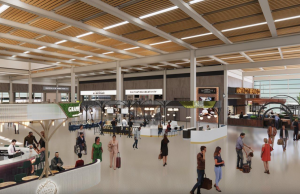
Why one chef calls city’s airport vote a ‘life-changing event for small businesses in Kansas City’
A freshly stamped plan to bring more than a dozen women- and minority-owned businesses — among 40 local brands — to Kansas City’s new airport terminal is a surreal turn for Laronda Lanear, the Kansas City chef said, noting the project’s opportunity for generational impact. “It’s going to change my life, my daughter’s life. It’s going…
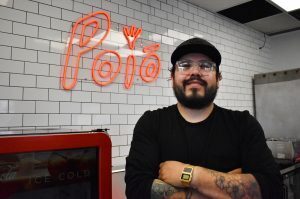
Brands from Poio to Made in KC booked for new airport; $1.5B expected through the gate over 15 years
Local and minority-owned vendors selected to operate shops in Kansas City’s new airport terminal are more than up to the task, said Carlos Mortera, emphasizing the power of adding flavor to the highly anticipated project. “Most airports aren’t filled with local businesses,” noted Mortera, founder of Poio Mexican Barbeque. “We in Kansas City, I feel…

Erkios confirms KC headquarters moving to St. Louis; gears up for 2022 product launch
While vendors for Erkios Systems were shut down during the pandemic, Sean Null and his team got busy learning the necessary skills to keep their startup going, he recalled. “We were doing a lot of the work on our own; so when the world started moving again, we were prepared. Essentially, we were able to…

Sustainable style: Pop-up jewelry maker adds final touch of flare through zero-waste designs
Everything in Adrianna Stranak’s life seems to happen a bit haphazardly, she said, laughing. “When I started making jewelry, creating a business was not my initial goal,” shared Stranak, who teaches kindergarten in Kansas City, Kansas. “For me, I wanted these earrings that I couldn’t afford, so I made them!” As Stranak continued designing and…