The WTF Series: Chatbots to anticipate your needs
May 3, 2016 | Ben Kittrell
On a daily basis, Ben Kittrell translates the jargon-filled world of technology for clients of his tech consultancy. The Words that Frustrate (WTF) series aims to offer readers some clarity in an industry dominated by techies’ confusing argot.
At Facebook’s latest developer conference, F8, Mark Zuckerberg announced they are adding Application Programming Interfaces to Facebook Messenger to allow developers to create chatbots.

Ben Kittrell
WTF, right?
In a previous WTF, I talked about how APIs are essentially the way that programmers outside of companies like Facebook can interact with the platform. For example, it’s how they can create games and quizzes that post on your timeline.
Great, so what the futurama is a chatbot?
The concept is fairly simple. When you allow a chatbot to access your messages, it will read them and decide if there is additional information to provide you. For example, if a friend messages you an address, the chatbot might pull up a map that automatically gives directions from wherever your current location is.
Sounds useful, but what’s the big deal?
How many apps do you have on your phone? How annoying is it when you want to do something quickly and you have to swipe and search for that one app? How cool would it be if 90 percent of the time you only had to use one app?
Life is about the people around you. Most of the apps we use help us connect with those people in some way. For example, when you get a message from a friend that says “want to go to the movies tonight?” What do you do?
You open Fandango to see what’s playing. Then you hop on IMDB to get more information about your top movie picks. After that you may tap on Google Maps to check directions and traffic. Perhaps the you open up Eventbrite to see if there’s anything better going on. And, finally, you message your friend back with the verdict.
The idea with chatbots is to bring all of this into one place. Different companies make each chatbot, but you can use them all in one place effortlessly while talking with friends.
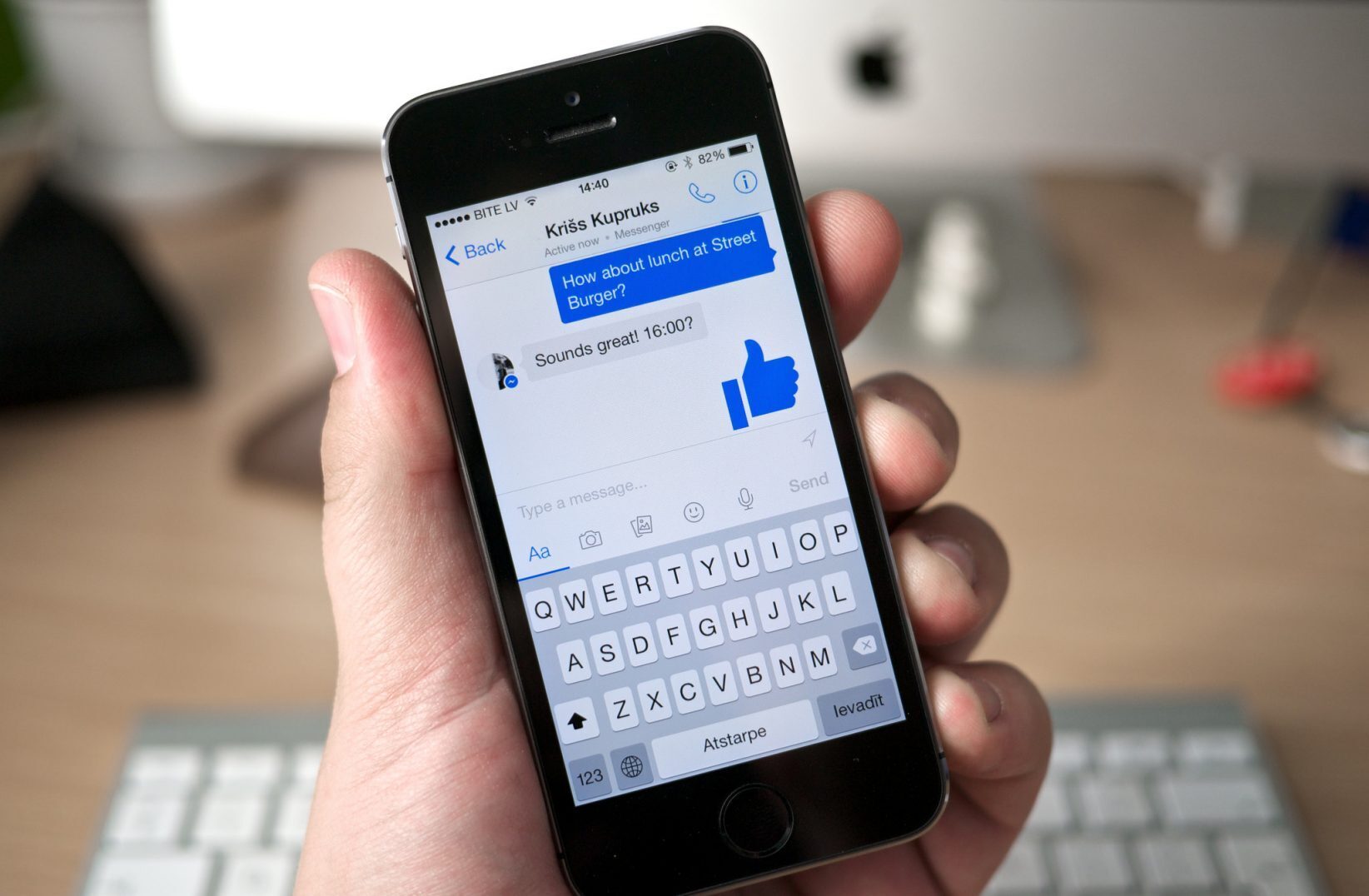
Chatbots make your interactions look like this:
Ben: “Want to go to the movies?”
Fandango: “Here are 3 movie suggestions based on what you’ve liked in the past.”
You: “Green Room looks good, what theater?”
Ben: “Cool, let’s go to the Drafthouse downtown.”
Google Maps: “Based on traffic conditions, it will take 10 minutes to get to the Alamo Drafthouse on Main St.”
You: “Works for me — 9 o’clock?”
Ben: “See you there.”
Calendar: “Would you like me to add an appoint to see Green Room at the Alamo Drafthouse at 9 p.m. tonight?”
But wait, there’s more.
Chatbots are just one step towards a bigger concept. “Frictionless,” “immersive” and “ubiquitous” are all words people use to describe the future of computing. The idea is that in the near future you won’t even realize you’re using an app. Using artificial intelligence, chatbots will anticipate your needs and solve problems before they arise.
I’m looking forward to the creative ideas developers will come up with on this new platform, barring an apocalyptic chatbot uprising.
Ben Kittrell is the co-founder of Doodlekit and an advisor for startups and small businesses. Kittrell also is host of Spare Room Radio, a podcast that features Kansas City entrepreneurs.