

Greg Kratofil shows how startups can tap new crowdfunding law
May 19, 2016 | Bobby Burch


Kratofil
Kansas City startups are already interested in tapping new crowdfunding rules that allow them to trade equity for investment funds.
Polsinelli tech attorney Greg Kratofil said that he’s fielded several calls from entrepreneurs hoping to raise capital via recent changes to the Securities and Exchange Commission’s equity crowdfunding regulations. The changes, which took effect on Monday, open up new possibilities for firms to raise capital to grow their businesses, Kratofil said.
“I have received several calls from entrepreneurs wanting to raise money using the crowdfunding law and the new rules that went into effect early this week,” Kratofil said. “However, it is important for entrepreneurs to understand some of the requirements and limitations.”
Kratofil there are some main points that startups should know if they’d like to leverage the new funding mechanism. First, a company is limited to raising up to $1 million in a 12 month period and must file any investment with the SEC via the recently-created “Form C.” Generally, equity investments are disclosed with the SEC via a Form D or “Notice of Exempt Offering of Securities.” Those transactions also must take place through an online SEC-registered intermediary, such as a broker-dealer.
On May 16, already 17 U.S. companies filed a Form C with the SEC. They ranged from a grocery delivery service to a digital registration system for medical marijuana dispensaries.
Kratofil added that there are limits on the amounts any one person can invest based on their net worth. Regardless of the investor’s financial position, the most equity any person can buy in a 12 month period is $100,000.
To ease burdens of the filing with the SEC, Kratofil said there are a few tools available to help entrepreneurs. iDisclose, for instance, helps entrepreneurs raise capital and reduce the time and cost of hiring an attorney with online tools. The company recently created a tool specifically for Form C filings that intends to cut down on paperwork and the time an attorney would need to review the documents.
In addition to a time commitment, there’s a cost for businesses to raise capital via the new rules. The SEC estimates that registering and meeting their requirements will cost $20,500 – $56,500 for companies seeking to raise between $100,000 – $500,000. That figure doesn’t include the marketing costs associated with leveraging a successful crowdfunding campaign.
“There is some work that will go into getting this type of offering done,” Kratofil said. “I believe picking the right intermediary or funding portal will be one of the most important decisions. A company can only be listed on one at a time and so an entrepreneur needs to choose the right one. But probably more importantly, entrepreneurs will still need to develop the buzz for the company. That is why this way of fundraising will lend itself primarily to consumer-focused companies and you saw that mostly hold true in the first day of Form C filings.”
One Kansas City firm is already using the new crowdfunding rules. The Collective Funds’ $10 million venture fund is comprised of both accredited and unaccredited investors, allowing it to tap a wealth of insight from investors’ respective business experience. It includes high-net-worth accredited investors and up to 35 unaccredited investors from the Kansas City area that will focus exclusively on early-stage firms in the area starting as early as this summer.
“These unaccredited investors will be able to be involved and learn about a different risk-tolerance type of investing than they’ve been exposed to before,” said Blake Miller, a managing partner with the fund. “We’re going to do a lot of teaching them not only how to make those investments but what to be looking for and the due diligence processes. We’ll be leveraging a lot of that through the expertise of our collective. … We’re bringing the power of an entire community to put it behind our entrepreneurs.”
For other things to consider with the recent crowdfunding law changes, check out this piece by tech attorney Malika Simmons.

Featured Business

2016 Startups to Watch
stats here
Related Posts on Startland News
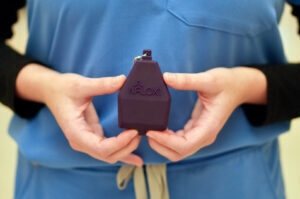
This keychain could stop an opioid overdose; carry the antidote — not the burden of guilt
ST. LOUIS — Easy access to life-saving naloxone (better known by the brand name Narcan) could’ve prevented the fatal overdose of Danielle Wilder’s close friend in college, the tragedy-prompted entrepreneur said. Her friend was in possession of naloxone — a fast-acting medicine that can reverse the deadly impacts of an opioid overdose when delivered near-immediately…

Brookside restaurant spot shifts from Irish to Mexican flavors as two families expand their dream
Two longtime friends and their daughters — all seasoned restaurant workers — are joining together in a new East Brookside restaurant they can call their own. Muy Caliente Grill & Cantina is scheduled to open later this month at 751 E. 63rd St., Suite 110, in the former Brady & Fox restaurant. Owners Fredy Rivera…

Landlord’s solution to Kansas housing crisis: 3D print his own home inventory
TOPEKA — Regularly confronted with a lack of supply in the housing market — and the subsequent higher prices — landlord and general capital investor Chris Stemler faced a multi-dimensional challenge. “I thought to myself, ‘How do I help solve an inventory problem?’ the Topeka-based Trident Homes founder said. “I know I’ve got renters who…

Just-launched retail hub gets first tenant, battling ‘blight of the heart’ on Troost corner
‘We are each other’s bootstraps’ Transforming a long-vacant building along Troost into a space for neighborhood small businesses is about empowering the entrepreneurs already living and working in the east side community, said Father Justin Mathews. The newly unveiled RS Impact Exchange — built within the renovated, 1920-built Baker Shoe Building at 3108-3116 Troost Ave.…