Integrated Roadways smart pavement kicks ‘dumb roads’ to the curb
May 5, 2016 | Bobby Burch
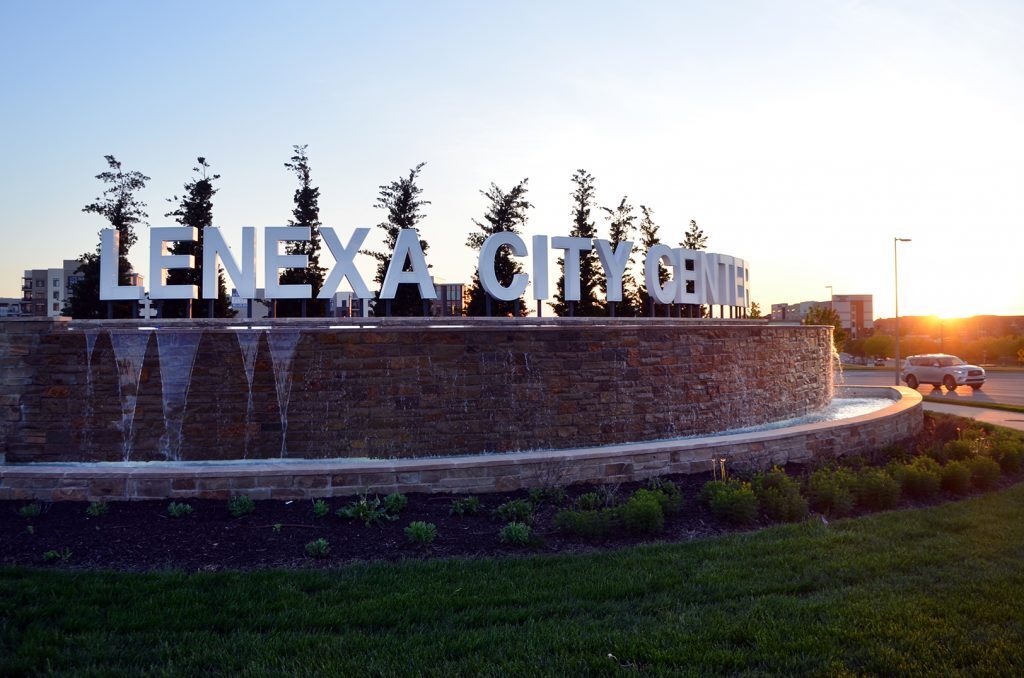
The future of smart infrastructure appears to be budding in the City of Fountains.
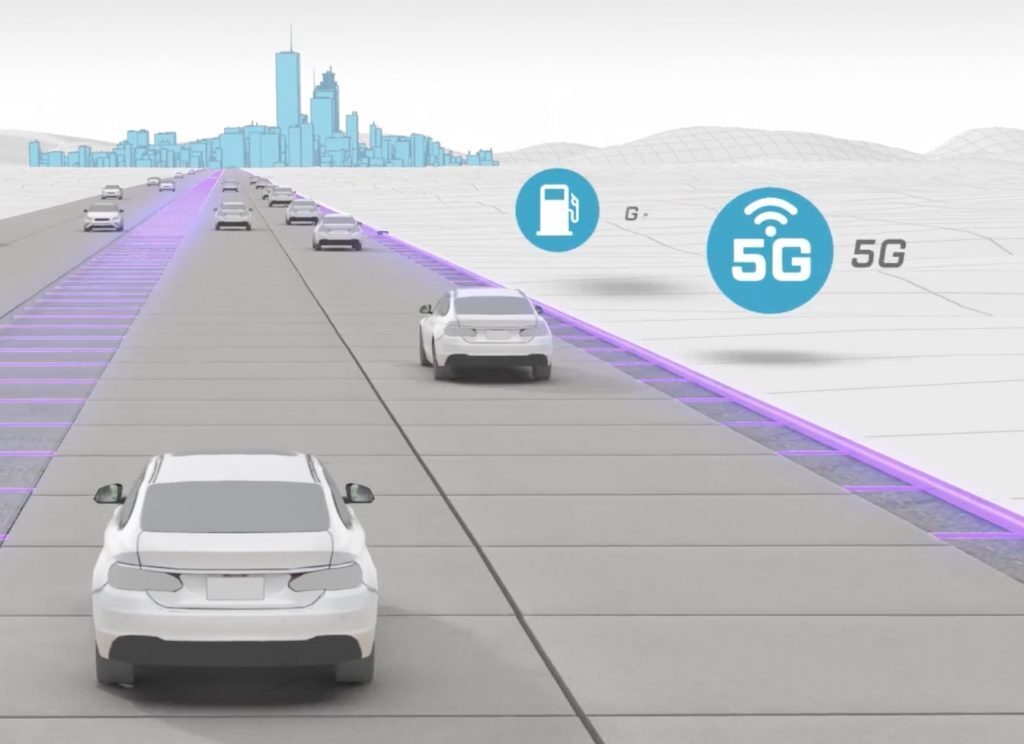
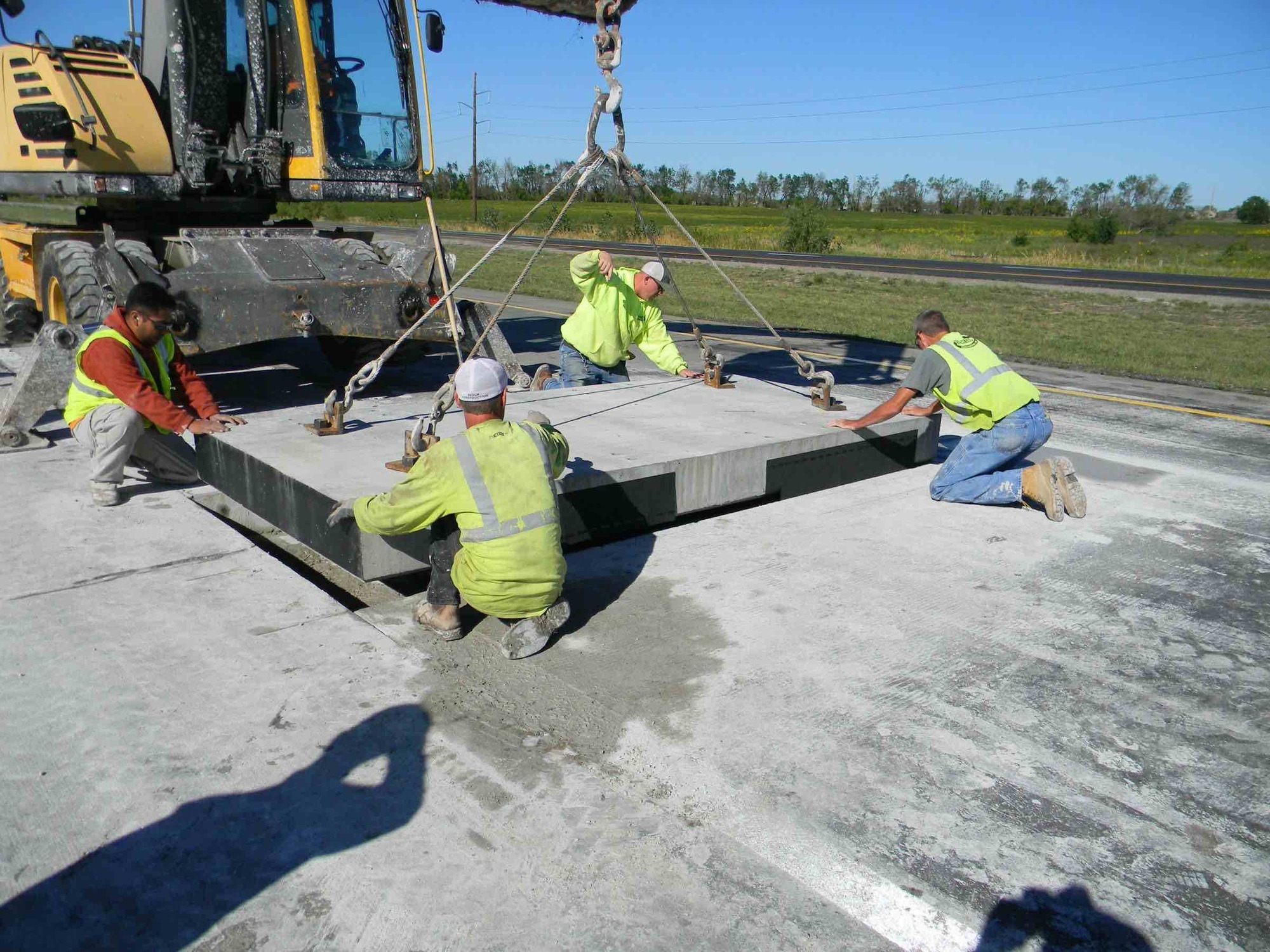
Kansas City-based Integrated Roadways recently secured a U.S. patent for its “smart pavement” that transforms humdrum roads into the network for the mobile Internet of Things. The smart pavement system features embedded components that provide connected cars wireless connectivity on roads, highways and interstates.
“To actually have a patent number and issuance date after all this work is still very exciting, even if we knew it was coming,” Integrated Roadways founder Tim Sylvester said. “It’s rewarding to finally be at the point where we have a patent number and issue date. We first filed in 2014 so it’s been a long time coming at this point.”
The patent will primarily cover Integrated Roadways’ processes to join two concrete slabs via dowel bars that more effectively transfers loads between them, Sylvester said. The method creates a continuous, prefabricated pavement system that offers a good ride quality, he added. The company also has a patent on the design to the concrete slabs.
In addition to protecting the company’s intellectual property, the patents allow Integrated Roadways to collect licensing fees from its competitors that use its technology.
“What this patent means is that we are doing something identifiably unique that we have developed of our own accord, that is both novel and useful,” Sylvester said. “This patent is just the tip of the spear. We have another dozen waiting filing and hundreds more behind that.”
While a conduit for the Internet of Things, Integrated Roadways paves the way to revenue opportunities for cash-strapped city, state and federal departments of transportation.The company’s smart pavement would allow DOTs to charge drivers and passengers for connectivity, the proceeds of which can be funneled back into underfunded infrastructure projects. The roads themselves would also be able to communicate directly with autonomous vehicles, such as Teslas or Google’s self-driving cars. “It’s a huge leap forward from today, where newly realized needs are addressed by long, expensive, laborious construction projects.” – Tim Sylvester
“We need to change ever-so-slightly how we think about roads,” Sylvester said. “Change it from ‘a hard flat thing that just kind of sits there’ into ‘a hard flat thing that just kind of sits there, but has cool stuff inside it that makes it possible to do new things, too.’”
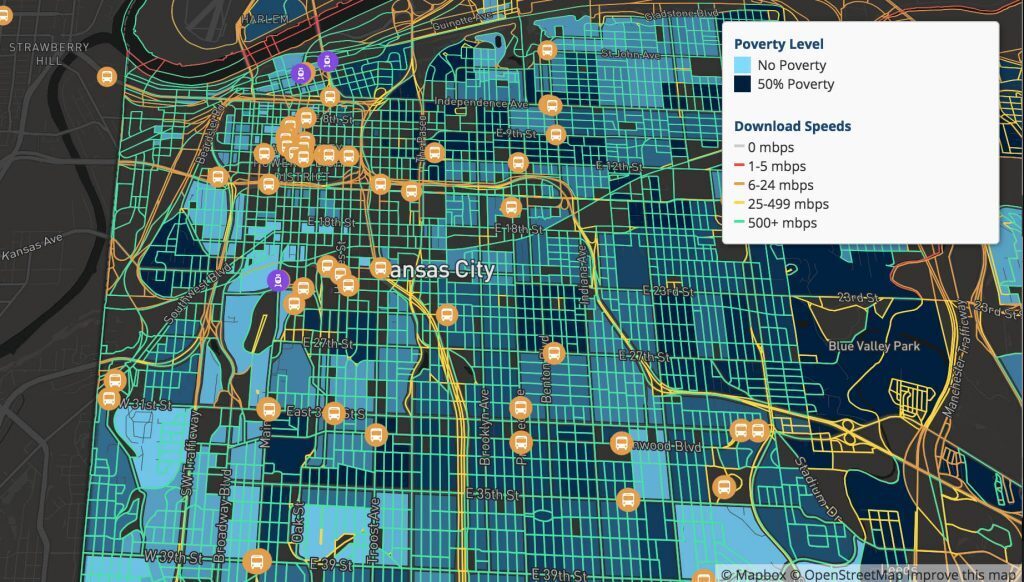
Ostensibly, Integrated Roadways couldn’t have picked a better city to launch its product. Kansas City is a centrally-located logistics point and is a massive railway hub. But perhaps more importantly, the area is in the midst of implementing its Smart City initiative that aims to transform downtown into one of the world’s largest, digital living labs. The city also his hoping to score a $50 million transportation award that will revamp much of its infrastructure and transportation offerings.
Sylvester said that 2016 is looking bright for his company. Integrated Roadways will be working with the Missouri Department of Transportation on its Road to Tomorrow projects, an initiative to restore I-70 and integrate new transportation technology.
The company also is working now with the Colorado Department of Transportation to install smart pavement that will automatically detect run-off-the-road accidents and call for help.
“One of the biggest determinants if you survive this kind of accident is how soon people realize what happened and where you are,” Sylvester said. “We’re working to cut the discovery time down to zero and send help automatically when this happens.”
Sylvester added that the biggest potential for smart pavement is its ability to be updated like software. That allows DOTs to update infrastructure in a much more cost-effective manner, he said.
“As a platform technology, once smart pavement is in place, changing needs are addressed with software applications,” he said. “It’s a huge leap forward from today, where newly realized needs are addressed by long, expensive, laborious construction projects. … I cannot understate how huge a difference this is to be able to deliver new transportation infrastructure services without having to physically build things every time.”
To learn more about Integrated Roadways, watch its video below.