

How wearables could change America’s pastime and Amazon’s big oops
April 22, 2016 | Kat Hungerford
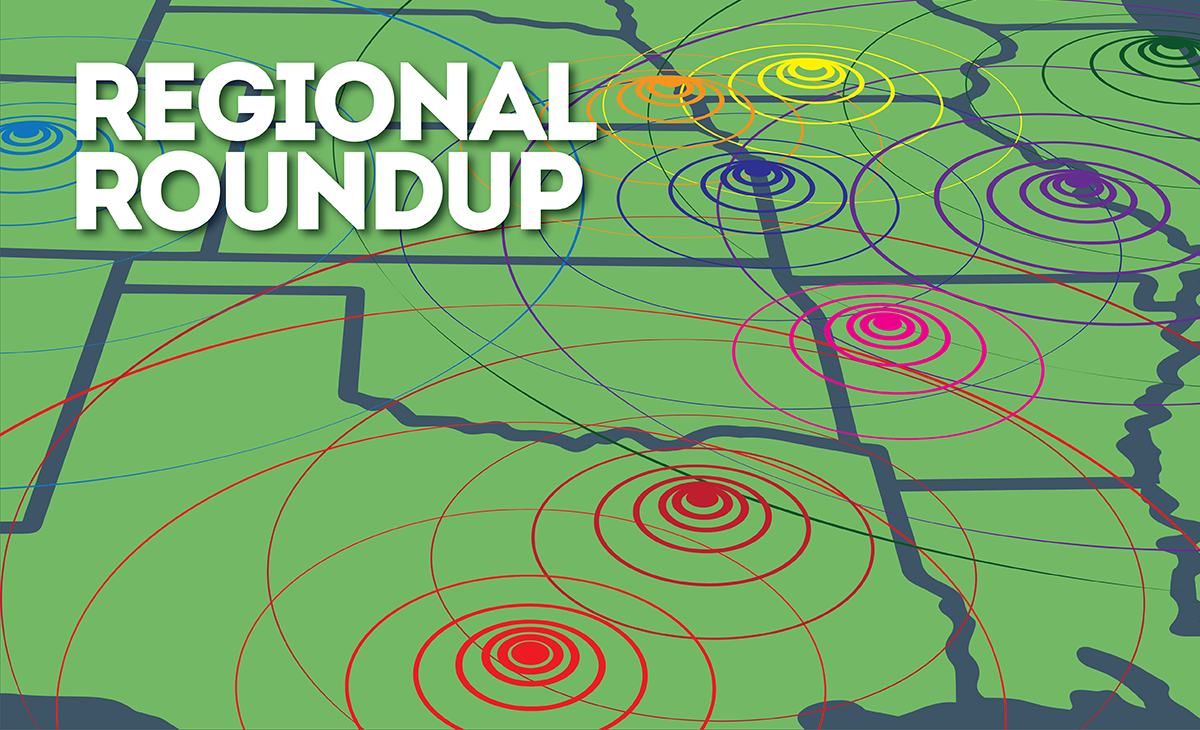
In this week’s roundup of watercooler talk from the region’s startup hubs, we have the dish on Major League Baseball wearables, Amazon’s flub with expanding the digital divide and Chicago’s STEM workforce issues. Check out more in this series here.
Mobile Commerce Press: Major League Baseball gives the nod to wearable technology
No, this doesn’t mean Royals manager Ned Yost will get to bring his Apple Watch back into the dugout. Not that he’d want to after his locally-made Niall timepiece made it all the way to a World Series win last November.
What it does mean is that our boys in blue can now don wearable tech that will help identify habits that yank them off the field due to injury.
The Motus Baseball Sleeve and Zephyr Bioharness gauge elbow stress and monitor players’ breathing and heart rate, respectively. Major League Baseball also called “safe!” for two bat sensors.
Still undecided is how wearable tech will affect players’ privacy, the article notes. The players’ union will be reviewing the MLB’s call to make sure tech serves it’s intended purpose of keeping players healthy and on the field rather than traded away at the first sign of wear and tear.
ChicagoInno: Amazon’s same-day delivery serves basically all of Chicago … except the South Side
Oops. Amazon’s same-day delivery service just launched in Chicago, but it left one of the city’s predominantly black areas off the delivery map.
Amazon says race has nothing to do with the decision; the South Side is outside the reach of the company’s distribution center. One little problem — Oak Lawn, 85 percent white and with some neighborhoods located even further away from Amazon’s Wisconsin distribution center, somehow made the cut.
Amazon’s try No. 2: Really, it’s just focusing on parts of cities with high concentrations of its Prime members.
That’s a nice way of saying that with each seemingly insignificant blunder, the digital divide is widening into a gap the size of the Grand Canyon. It’s something to keep in mind as Kansas City tussles with its own digital inclusion issues.
ChicagoInno: Illinois misses out on $645M by not retaining foreign-born students after graduation.
There’s lots to learn from Chicago this week. One of the area’s universities is home to the nation’s fifth-largest, foreign-born student population, but the state can’t hold onto this much-needed STEM workforce post-graduation.
In addition to $645 million in lost wage income and taxes, hemorrhaging STEM graduates means less innovation, fewer patents and overall lower productivity for the state, according to the article.
And it’s not just Illinois. “Nearly all” students who come to the U.S. on F-1 student visas leave within five years of donning a tasseled cap and gown, the article notes. What may be worse is that foreign-born students make up half of all STEM graduates.
That’s bad news for Kansas City, which in 2015 had 7,700 STEM job postings, but only filled 2,550 of them.

Featured Business

2016 Startups to Watch
stats here
Related Posts on Startland News
Compute Midwest named top national tech conference
Consistently attracting futurists and tech leaders from around the U.S., Compute Midwest recently was named a national tech conference that shouldn’t be overlooked. Inc. Magazine included the annual, Kansas City-based conference on its “Top Tech Conferences You Can’t Miss This Fall” list, noting the event’s traditionally strong lineup of speakers. Presented by the Disruption institute,…

Dozens of skyrocketing KC firms break into the Inc. 5000
Kansas City held its own on Inc. Magazine’s annual ranking of the nation’s fastest-growing, private companies. The Wednesday unveiling of the Inc. 5000 featured 44 metro firms — including several area tech firms, like k12itc and Rhythm Engineering. K12itc, which in January made Startland’s 2016 top 10 startups to watch, delivers cloud-based IT services to…
Backstitch wants to fix a billion-dollar communication dilemma
With the cost of poor business communication climbing as high as $37 billion a year, Backstitch founders Jordan and Stefanie Warzecha saw an opportunity to clear the air. The married couple — who say communication has never been a problem for them — founded their corporate communications platform in 2012. Backstitch aims to mitigate the…

Google Fiber names local duo as digital inclusion leaders
After a successful first year, Google Fiber — in partnership with the Nonprofit Technology Network — has announced its second round of Digital Inclusion Fellows. As part of the program, fellows will create and lead digital literacy efforts in the 11 metro areas with Google Fiber, including Kansas City. Initiatives include assisting adults with high…