

When your tech becomes an expensive paperweight
April 8, 2016 | Kat Hungerford

Here’s this week’s dish on expensive paperweights, company culture and bootstrapping. Check out more in this series here.
The Verge: Nest is permanently disabling the Revolv smart home hub
In a shot across the bows of any early-adopter interested in startup tech, Nest announced that it’s shutting down Revolv’s IoT smart home hub.
Google-owned Nest acquired the Boulder-based startup in late 2014, at which point Revolv stopped selling the hub, although product maintenance and app updates continued. The $300 hub turns into an expensive paperweight on May 15, just months shy of its three-year anniversary in August.
It’s a lesson techies are learning over — and over — again: consumers don’t actually always “own” the tech they buy. As such occurrences become more commonplace, it becomes less advantageous to be the hipster techie who liked it “before it was cool.” This can in turn damage the prospects for future startups and their early proof-of-market gadget sales.
Practically Everywhere: Culture, culture, and more culture
These days, you can throw a cyber-rock and hit any number of articles about great office culture. Whether it’s installing an office kegerator, social media intranets, Tattoo Tuesdays (yes, that’s actually a thing) or even foosball, darts and whimsy; instilling off-the-wall company culture is becoming a must-have for businesses.
Why? Talent, of course. With most of the U.S. experiencing a tech workforce drought (Kansas City included), great wages, flexible hours and during-the-workday fun are how companies hope to attract — and keep — top talent.
On that front, Startland should really get behind mandatory naptime.
Medium.com: Bootstrapping in unicorn land
Amid all the local companies completing successful capital raises, there are plenty that will never raise a single VC dime. And that’s not a bad thing, according to serial entrepreneur David Sparks out of Silicon Valley (OK, so we’re playing fast and loose with “regional” for our roundup).
Sparks co-founded and successfully exited with Foodist Kitchen and is currently bootstrapping CMX. He says raising capital forces startups onto a fast-track highway with only two exits: rapid growth or failure.
Investors slavering over their ROI require a raise-and-scale business model, and startups are more than happy to attempt to beat the odds while dreaming of Scrooge McDuck piles of money.
For most startups, it’s a square-peg-round-hole situation with a historically low “win” ratio. Perhaps we’d have more “wins” if more startups saw long-term, old-fashioned bootstrapping as a viable option, Sparks argues.

Featured Business

2016 Startups to Watch
stats here
Related Posts on Startland News

Splitsy takes top prize in Regnier challenge, adding to emerging fintech startup’s spring bump
The Regnier Venture Creation Challenge doled out more than $65,000 in cash prizes to emerging startups this spring, culminating in Friday’s big win for an up-and-coming fintech app. “We had a great competition,” Bryan Boots, managing director of venture creation and assistant teaching professor at the University of Missouri-Kansas City, told Startland News. The annual…

Missouri House advances pro-entrepreneur bill that would lower taxes on self-starters
A vision to make Missouri more entrepreneur-friendly moved closer to reality Monday as state legislators passed a first-in-the-nation Right To Start Act, advancing the bill to the Senate on an 85-69 vote. “We made progress today to make Missouri a state that welcomes risk takers, the crazy ones, who want to build the next generation…
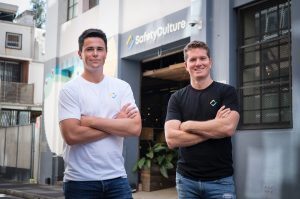
SafetyCulture rides deeper into unicorn club with $73M round, reaching $1.6B valuation
The evolution from a checklist app into an operations platform for working teams is paying off for SafetyCulture, which Monday announced a massive funding round from the East Coast — pushing the unicorn company even deeper into the realm of startups valued at more than a billion dollars. Led by New York-based Insight Partners, the…

Made in KC goes West: Why the local-first retailer is opening a marketplace (with shuffleboard) in Lenexa
A newly announced Made in KC Marketplace at Lenexa City Center will make local goods — and the makers behind them — more accessible to a fast-developing piece of Kansas City, said Keith Bradley. “Part of our mission as a company is to make shopping local a habit,” said Bradley, co-owner of Made in KC, a…