

When your tech becomes an expensive paperweight
April 8, 2016 | Kat Hungerford

Here’s this week’s dish on expensive paperweights, company culture and bootstrapping. Check out more in this series here.
The Verge: Nest is permanently disabling the Revolv smart home hub
In a shot across the bows of any early-adopter interested in startup tech, Nest announced that it’s shutting down Revolv’s IoT smart home hub.
Google-owned Nest acquired the Boulder-based startup in late 2014, at which point Revolv stopped selling the hub, although product maintenance and app updates continued. The $300 hub turns into an expensive paperweight on May 15, just months shy of its three-year anniversary in August.
It’s a lesson techies are learning over — and over — again: consumers don’t actually always “own” the tech they buy. As such occurrences become more commonplace, it becomes less advantageous to be the hipster techie who liked it “before it was cool.” This can in turn damage the prospects for future startups and their early proof-of-market gadget sales.
Practically Everywhere: Culture, culture, and more culture
These days, you can throw a cyber-rock and hit any number of articles about great office culture. Whether it’s installing an office kegerator, social media intranets, Tattoo Tuesdays (yes, that’s actually a thing) or even foosball, darts and whimsy; instilling off-the-wall company culture is becoming a must-have for businesses.
Why? Talent, of course. With most of the U.S. experiencing a tech workforce drought (Kansas City included), great wages, flexible hours and during-the-workday fun are how companies hope to attract — and keep — top talent.
On that front, Startland should really get behind mandatory naptime.
Medium.com: Bootstrapping in unicorn land
Amid all the local companies completing successful capital raises, there are plenty that will never raise a single VC dime. And that’s not a bad thing, according to serial entrepreneur David Sparks out of Silicon Valley (OK, so we’re playing fast and loose with “regional” for our roundup).
Sparks co-founded and successfully exited with Foodist Kitchen and is currently bootstrapping CMX. He says raising capital forces startups onto a fast-track highway with only two exits: rapid growth or failure.
Investors slavering over their ROI require a raise-and-scale business model, and startups are more than happy to attempt to beat the odds while dreaming of Scrooge McDuck piles of money.
For most startups, it’s a square-peg-round-hole situation with a historically low “win” ratio. Perhaps we’d have more “wins” if more startups saw long-term, old-fashioned bootstrapping as a viable option, Sparks argues.

Featured Business

2016 Startups to Watch
stats here
Related Posts on Startland News
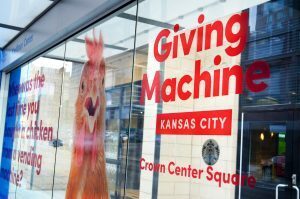
A service you never knew you needed: Buying chickens from a vending machine at the Mayor’s Christmas Tree
As children gave life to the ice terrace above Friday, volunteers and shoppers were giving light to local and global charities at a newly placed installation of vending machines — stocked with donation opportunities, not snacks — at Crown Center. The hottest “selling” item so far in Kansas City: a trio of chickens for $18. Three Giving…

New nonprofit surprises first-ever $20K ‘changemaker’ grant winner; he already knows how he’ll invest it
Pastor Adrian Roberson was initially too stunned to speak Thursday when he was awarded a $20,000 grant for KC United — a youth sports initiative he co-founded in 2009 with his wife Vicky. But the duo already have plans for the money: spreading blessings. “I want to say, ‘Glory to God,’” Adrian Roberson shared moments after…

They built a coffee table magazine to showcase Black creatives; Why this week’s issue will be By Design’s last
The sixth and final issue of By Design magazine is a culmination of the work of three Black men who saw a lack of community and representation in Kansas City’s art ecosystem — and decided to create their own, shared Muenfua Lewis and Justin Ikerionwu. “By Design has always been about going deeper and breaking…

Survey: 97 percent of KC businesses expect same or better performance in 2022
Business executives in the Kansas City metro expressed optimism about what lies ahead in 2022 — despite lingering pandemic-related challenges, according to newly released local and regional survey results from First Business Bank. “There are always multiple dimensions of the story to consider, but 2021 was a big improvement over 2020, and with employment increasing across…