

When your tech becomes an expensive paperweight
April 8, 2016 | Kat Hungerford

Here’s this week’s dish on expensive paperweights, company culture and bootstrapping. Check out more in this series here.
The Verge: Nest is permanently disabling the Revolv smart home hub
In a shot across the bows of any early-adopter interested in startup tech, Nest announced that it’s shutting down Revolv’s IoT smart home hub.
Google-owned Nest acquired the Boulder-based startup in late 2014, at which point Revolv stopped selling the hub, although product maintenance and app updates continued. The $300 hub turns into an expensive paperweight on May 15, just months shy of its three-year anniversary in August.
It’s a lesson techies are learning over — and over — again: consumers don’t actually always “own” the tech they buy. As such occurrences become more commonplace, it becomes less advantageous to be the hipster techie who liked it “before it was cool.” This can in turn damage the prospects for future startups and their early proof-of-market gadget sales.
Practically Everywhere: Culture, culture, and more culture
These days, you can throw a cyber-rock and hit any number of articles about great office culture. Whether it’s installing an office kegerator, social media intranets, Tattoo Tuesdays (yes, that’s actually a thing) or even foosball, darts and whimsy; instilling off-the-wall company culture is becoming a must-have for businesses.
Why? Talent, of course. With most of the U.S. experiencing a tech workforce drought (Kansas City included), great wages, flexible hours and during-the-workday fun are how companies hope to attract — and keep — top talent.
On that front, Startland should really get behind mandatory naptime.
Medium.com: Bootstrapping in unicorn land
Amid all the local companies completing successful capital raises, there are plenty that will never raise a single VC dime. And that’s not a bad thing, according to serial entrepreneur David Sparks out of Silicon Valley (OK, so we’re playing fast and loose with “regional” for our roundup).
Sparks co-founded and successfully exited with Foodist Kitchen and is currently bootstrapping CMX. He says raising capital forces startups onto a fast-track highway with only two exits: rapid growth or failure.
Investors slavering over their ROI require a raise-and-scale business model, and startups are more than happy to attempt to beat the odds while dreaming of Scrooge McDuck piles of money.
For most startups, it’s a square-peg-round-hole situation with a historically low “win” ratio. Perhaps we’d have more “wins” if more startups saw long-term, old-fashioned bootstrapping as a viable option, Sparks argues.

Featured Business

2016 Startups to Watch
stats here
Related Posts on Startland News
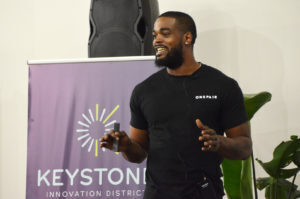
LaunchKC shines spotlight on founders as first social venture studio cohort takes the stage
Tying Jerren Thornhill’s social venture to the footwear industry jogs a logical path, the founder said: re-selling used shoes was a $2 billion industry in 2021, and more importantly: “Kids love shoes.” His startup, One Pair — founded in 2020 to provide teenagers with a pathway to financial security through entrepreneurship while simultaneously minimizing their…
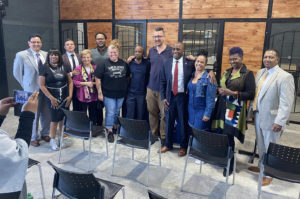
System set up to ‘suck the life’ out of formerly incarcerated people takes a hit with new microloan deal
A recently announced agreement is expected to help returning citizens break a cycle of struggle that’s historically been reinforced by a criminal justice system advocates say is set up to make them fail, said Kyle J. Benson-Smith. The Kansas City District SBA Office and two local nonprofit organizations held a public signing ceremony Wednesday afternoon…
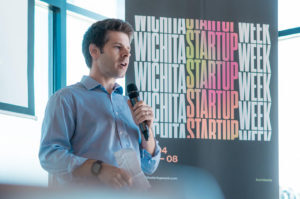
Is Wichita the next tech hotspot? Startup week organizer says pieces are falling into place
Startland News’ Startup Road Trip series explores innovative and uncommon ideas finding success in rural America and Midwestern startup hubs outside the Kansas City metro. This series is possible thanks to the Ewing Marion Kauffman Foundation, which leads a collaborative, nationwide effort to identify and remove large and small barriers to new business creation. After…

‘You Belong Here’: Add these 10 GEW events to your calendar (then keep clicking)
Global Entrepreneurship Week is returning to Kansas City in November with the ability for attendees to build their own week-long schedules from more than 150 planned virtual and in-person sessions. With a theme focused on inclusion, the wide-ranging options offer resources and insight for solopreneurs and small business to scaling startups — regardless of geography.…