

Titans of Kansas City tech combine forces for talent creation
March 9, 2016 | Bobby Burch

Kansas City isn’t unique in its high demand for talented techies.
But perhaps what is setting the area apart is its collaborative approach to creating, recruiting and retaining tech talent in the Kansas City metro. Dozens of area tech companies engaged in a panel discussion Wednesday on practical steps that companies can take to win “the battle for tech talent.”
KCnext president Ryan Weber, whose organization helps grow the area tech sector, said that the discussion aims to inspire new talent acquisition strategies among Kansas City firms.
“Today’s event was a true call to action for Kansas City employers,” Weber said. “We hope Kansas City tech employers walked away with new resources and ideas they can begin utilizing right away.”
Those leading the Lockton-hosted discussion were: Gary Beach, publisher emeritus of CIO Magazine and a columnist with the Wall Street Journal; Chris Isaacson of Bats Global Markets; Kevin McGinnis of Pinsight Media+; Mira Mdivani of Mdivani Corporate Immigration Law Firm; and Anna Welchman of LaunchCode.
The group boiled down strategies for tech firms to recruit and retain talent into five key areas.
1. Close the education gap.
Companies must engage local schools and offer support with their time, funding or both. Science, technology, engineering and math education should ideally begin before kindergarten, Beach said. Mdivani added that STEM education is even more important if Kansas City wants to compete for immigrant workers with more advanced skills.
2. Stop whining.
Kansas City needs to stop complaining about the lack of talent and get practical about the problem. There are many efforts to boost tech talent in the area, including KCnext and LaunchCode.
“Be a voice — don’t just check the box,” McGinnis said. “Your involvement is what can make Kansas City the land of opportunity.
3. Be open and progressive with hiring initiatives.
You don’t need a degree to be a proficient programmer. Be open to applicants with skills and experience, and not just a degree in computer science. McGinnis said many of his best programmers at PinSight Media+ don’t have college degrees.
4. Promote Kansas City.
If you want to attract the best techies from the East or West coasts, you’re going to have to sell more than your company. Leaders should also sell the culture of Kansas City. Discuss the area’s arts and music scene. Mention the delicious food and fun nightlife. You’d be hard pressed attracting someone to your company without first selling them on the city in which they’ll live.
5. Build a better company culture.
Organize your company culture around two cornerstones: lifelong learning and solving a big problem. Employees come to work to learn and grow as professionals. Many also want to make the world a better place by tackling big problems — and that doesn’t always mean enabling world peace.

Featured Business

2016 Startups to Watch
stats here
Related Posts on Startland News

Zee underscores artists’ need for positive venues; creative powerhouse opens pocket of support
Zahra Briggs developed her creative voice in Kansas City; now she’s setting the stage for fellow independent artists who struggle to find venues that match their vibe — and often have to pay to perform. She’s even creating a version of herself in the metaverse to open access further. A singer and songwriter herself, Briggs — who…

MyAnIML earns NSF funding, patent; now facing new phase of growth with industry validation
Thanks to a recent federal grant — along with a newly secured patent on its first-of-its-kind, proprietary facial recognition tech for cows — MyAnIML is proving its place as a leader within a herd of ag innovation, Shekhar Gupta said. The Overland Park startup received a 250,000 Phase I grant from the National Science Foundation…
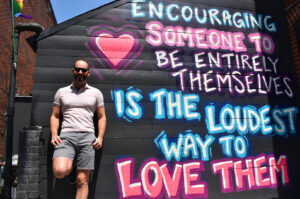
KC’s next LGBTQ+ space wants to be more than just a raging club; How this permanent takeover aims to better reflect queer nightlife
Westport nightlife is set for transformation as a sweeping expansion adds seven late-night hotspots to the historic entertainment district — anchored by a new bar catering specifically to Kansas City’s LGBTQ+ community. Q Kansas City — a collaboration with Lance Pierce of Queer Bar Takeover — is expected open its doors in October at 504 Westport…

Chef brings Urban concept back to Troost; $25K GIFT grant boosts fight against gentrification
Chef Justin Clark’s latest venture — an eatery that blends Asian and soul food influences — aims to not only blur the boundaries between menus, but break down dividing lines within and between communities. “The goal was to create familiar items that everyone actually can relate to as Americans, but then again, we add some…