

Students’ skills gap dings the 21st century workforce
March 4, 2016 | Stephanie Amaya
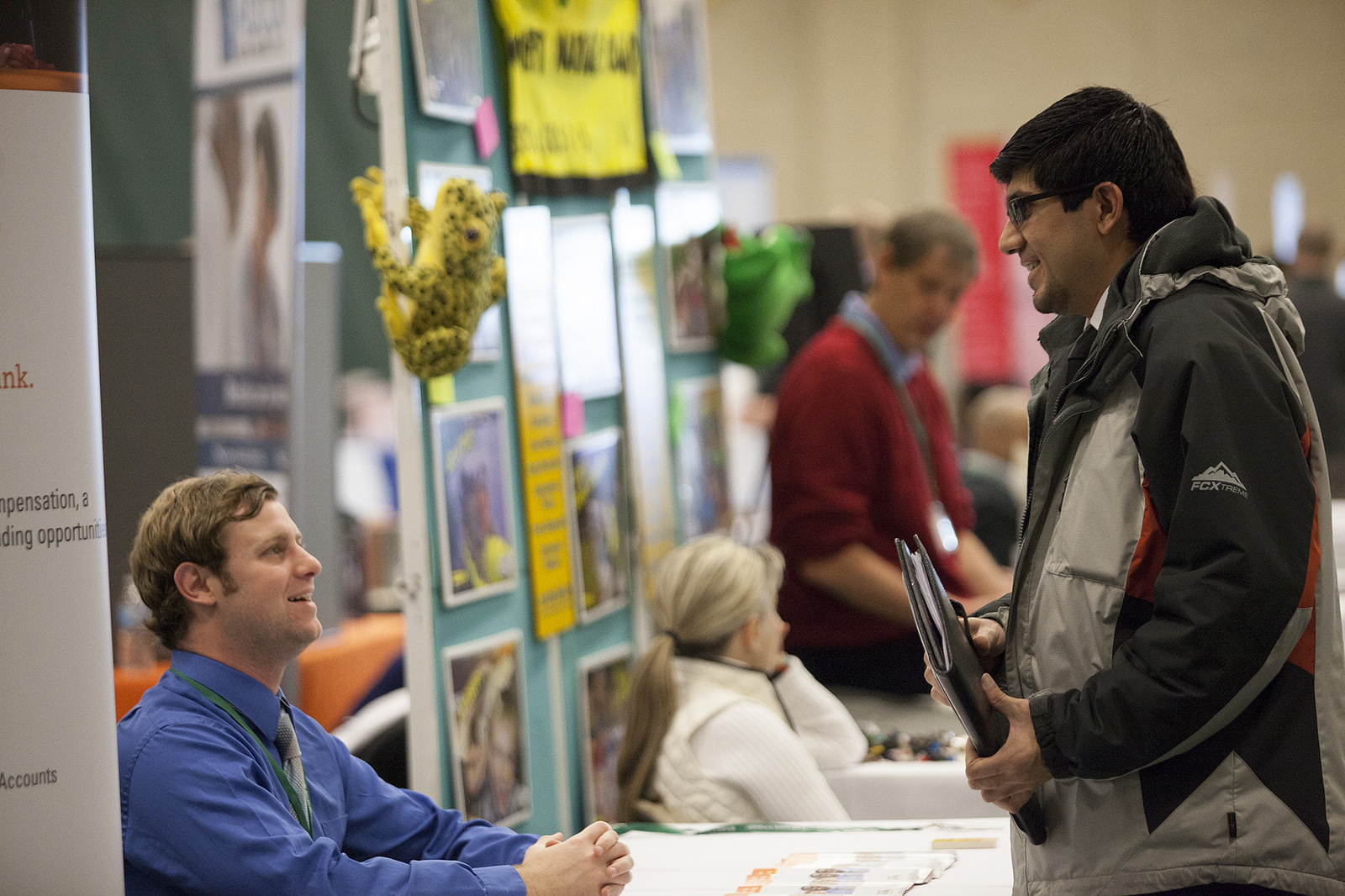
Whether openly acknowledged or silently understood, there is a growing awareness in the education community that students are not prepared for the 21st century workforce.
Millennials nearly triple the current national unemployment rate and more than half of 2015 college graduates have no — none, zilch, nada — career prospects on the foreseeable horizon.

Stephanie Amaya
There are a variety of reasons why students’ job prospects seem to be worsening — the Great Recession, a changing job market, dropout rates at the college level, job training and on and on. The job prospect problem may find that its roots begin further back in students’ grade- and high-school education.
K-12 educators must ask themselves,“Does public school curriculum meet the rapidly changing needs of businesses?” We imagine many educators would respond with, “Well, maybe?”
In large part, the hesitation in an educator’s answer can be attributed to the fact that the average teacher — and administrator — doesn’t clearly understand what students need in order to be successful in a job market, which seems to change daily.
Ignoring the skills gap between public education and the business workforce is not an option. Children deserve an education that teaches them to navigate academia, think divergently and be productive citizens. They also deserve the opportunity to develop the knowledge, technical skills and personal aptitudes needed to maneuver through a rapidly evolving job market.
Education needs your help.
“The average teacher doesn’t clearly understand what students need in order to be successful in a job market.”
Partnerships with educational institutions, educators and educational policymakers are imperative to meeting the needs of our future workforce.
Here are a few ideas to help educators and business partners connect classroom learning with professional experiences:
TEACHER EXTERNSHIPS: Create opportunities for teachers to explore what is happening in your industry. Providing teachers with a short-term opportunity to leave the classroom and observe a business is priceless. Often called teacher externships, these experiences provide educators with a way to connect what they are teaching in the classroom with post-secondary applications.
CO-TEACHING: Provide opportunities to share your expertise in a classroom setting. Help a teacher design a lesson and teach the content through a relevant professional experience. Bringing in experts provides students with real-time, real-world, and authentic learning experiences.
BE A GUEST SPEAKER: Volunteer to talk about your career, your post-secondary journey, life experiences and lessons learned along the way. Students connect to adults who share their personal backgrounds. They need to hear stories about a variety of careers, college options and professional skills needed to sustain a successful career.
BE A MENTOR: Volunteer to help with an after school entrepreneurial club. Invite students on a tour of your company. Create a student professional development day to learn about your business or industry. Believe it or not, students believe they have to move away from their community to have productive careers. We need to show our Kansas City students that opportunities are right in their backyard.
GET INVOLVED IN CLASSROOM CURRICULUM: Offer to vet curriculum, bring real problems to the classroom for students to solve and be a guest panelist to hear students’ ideas, solutions, and creative ideas.
STUDENT INTERNSHIPS: Provide opportunities for students to be immersed in a professional environment. If sponsoring a long-term internship seems overwhelming, then offer opportunities for high school students to job shadow for a day.
If the above ideas seem like common sense, remember that embedding these professional experiences into a public school system is still a relatively new process. If you live near a school system that does a fantastic job of implementing these experiences, the odds are these school curriculums still need to be routinely vetted and updated. The job market will always change quicker than schools.
Stephanie L. Amaya is the director of professional studies for the Park Hill School District in Kansas City, Mo. Amaya has served as a social studies teacher, professional school counselor, school social worker and principal.
Cole Amaya, Stephanie’s son and a contributing author for this column, is the student services coordinator at Van Horn High School in the Independence School District. Amaya was formerly an English teacher for the Kansas City Missouri School District and the Independence School District.

Featured Business

2016 Startups to Watch
stats here
Related Posts on Startland News
LaunchCode partners like VML turn apprentices into professional programmers
Tech fields provide a never-ending learning experience, said Mohammad Rasoulipour, a creative technologist at VML. With a background in design, Rasoulipour turned to LaunchCode to get a leg up in the web design world, try something new — and land a job a premier marketing and advertising firm like VML. LaunchCode, a free tech training program,…

Bobby Burch: ‘The mountains are calling, and I must go’ — farewell and thank you
Editor’s Note: Startland News co-founder and editor-in-chief Bobby Burch will depart the storytelling organization at the end of July. Tommy Felts will assume leadership of Startland effective immediately. It was three-and-a-half years ago when Kansas City Startup Foundation CEO Adam Arredondo approached me with a “what if” scheme to start a publication focused on entrepreneurship.…

CAPS leader Corey Mohn: Remaking education starts with experiential learning
The Center for Advanced Professional Studies model was a solution to a single school district’s senioritis problem. Blue Valley Schools created CAPS and launched a small cohort of early-adopter students into this new program in 2009. Taking the chance that students would be responsible, professional and innovative when given freedom, CAPS connected students directly to…

Imagine Argentine: How 10 students hope to transform a KCK neighborhood
It’s about making Argentine better, said Emma Jones and Sergio Garcia. Both middle schoolers are members of Imagine Argentine’s 10-student cohort. The social entrepreneurship program is dedicated to solving social challenges in Argentine, Kansas, said Kurt Reitema, director of justice initiatives for Youthfront, a KC-based youth ministry organization. The cohort meets each day during the…