

LaunchCode kicks off Kansas City office with $250K boost
February 12, 2016 | Bobby Burch
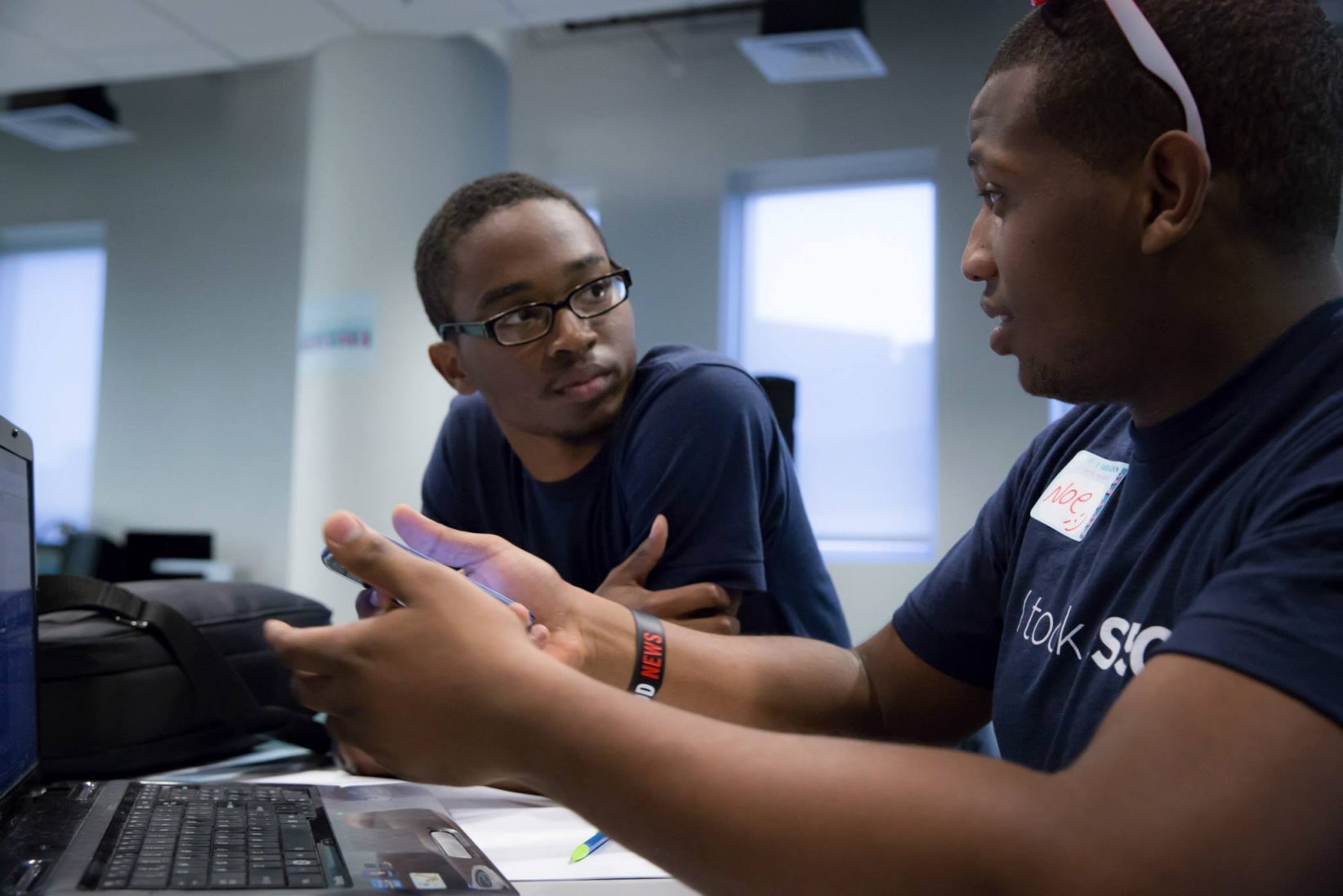
Fresh off its expansion to Kansas City, LaunchCode will tap additional capital from the Missouri Technology Corporation to boost its operations focused on tech workforce development.
Founded in 2013, LaunchCode now partners with a variety of Kansas City companies — including EyeVerify, UMB, Blooom and Venture360 — to provide a new pipeline of homegrown tech talent.
With a visit Thursday from Missouri Gov. Jay Nixon at the Sprint Accelerator, the MTC announced that it would inject an additional $250,000 into LaunchCode, which expanded from St. Louis to the City of Fountains in January. The additional funds bring the total support from MTC for the LaunchCode’s Kansas City expansion to $500,000.
“Kansas City’s thriving business community and highly-educated workforce make it the ideal location for tech companies to locate and grow,” Gov. Nixon said. “The burgeoning technology scene here in Kansas City’s Crossroads is a big reason why Missouri is a nationally-recognized leader in high-tech jobs and innovation. By balancing budgets and making smart investments in education and entrepreneurship, we will continue to move Kansas City and the entire state forward.”
Founded in 2013, LaunchCode is currently partnering with a variety of Kansas City companies — including EyeVerify, UMB, Blooom and Venture360 — and connecting with the region’s developers. The nonprofit’s goal is to support Kansas City’s tech ecosystem and provide a new pipeline of homegrown tech talent.
The organization was founded by Jim McKelvey, who was a co-founder in Square and is officing in the Sprint Accelerator. McKelvey previously sat down with Startland News to discuss LaunchCode’s plans.
“You can expect an accelerated version of what we did in St. Louis, which has been very successful,” he said. “The idea with LaunchCode is we are about bringing people into the ecosystem on behalf of the businesses. LaunchCode focuses on the needs of the businesses. We do education, we do reach out to underserved populations, but that is not our mission. Our mission is to solve the tech talent gap. So the way we do that is very specific: we start with the companies, we find out what the companies need and we help them.”
Also as part of the announcement, Gov. Nixon welcomed Pramata, a tech firm based in San Francisco that opened an office in the Crossroads and will create 15 jobs. Pramata offers business-to-business services to help companies retain and grow customer relationships.
“Kansas City offers a unique combination of a skilled talent pool along with a central location,” Saklani said. “It’s the ideal place to anchor our U.S. expansion and a fantastic base from which to serve our customers. We’re looking forward to being a member of and contributor to the local community.”

Featured Business

2016 Startups to Watch
stats here
Related Posts on Startland News

Raaxo takes shape after pivot from Aphrodite Bra Co’s body scan concept
Despite its use of body-mapping technology, Aphrodite Bra Company wasn’t the right fit for customers’ needs, said Carlanda McKinney, founder of the newly rebooted custom intimates company Raaxo. “Aphrodite had been stuck in the starting-up space,” she said. “We’d never really gotten enough sales or enough traction to say, ‘We’re launched,’ or, ‘We’re in business.’…
Serial entrepreneur leverages past success for Bridge Space coworking project
Bridge Space will be more than a coworking office, Ben Rao said. He hopes it will be the heart of Lee’s Summit’s blossoming entrepreneurial ecosystem. “My No. 1 goal is to accelerate entrepreneurs’ success,” said Rao, Bridge Space founder and a serial entrepreneur himself. “It’s an opportunity for me to build something that would make…

KC mom’s humble entrepreneurial journey draws on healing power of creativity
Huddled in her parents’ basement, between the cribs of her crying twin babies, Keliah Smith began to draw. She was unemployed and feeling emotionally drained. The relationship with her children’s father had soured. Her escape: the stylus and smartphone in her hands. The Kansas City mother drew what she didn’t see in the mirror, she…

Harvard University recognizes KCMO digital inclusion map
Kansas City’s geographic work to illustrate the area’s digital divide earned high praise from a prestigious university. Harvard University recently highlighted the City of Kansas City, Missouri’s Digital Inclusion map, a tool that — at a block-by-block scale — detail residents’ access to internet connectivity overlaid with poverty levels. “This visualization was chosen as Harvard’s…