

Byrd: How the Silicon Prairie can avoid Silicon Valley’s diversity issues
February 16, 2016 | Louis Byrd
Louis Byrd
When Google and Intel first released their employment statistics in 2014, the topic of diversity was nowhere as elevated as it is today in corporate circles.
Silicon Valley and its many companies from large tech giants down to startups are under the diversity and inclusion microscope. Why all of the emphasis on diversity?
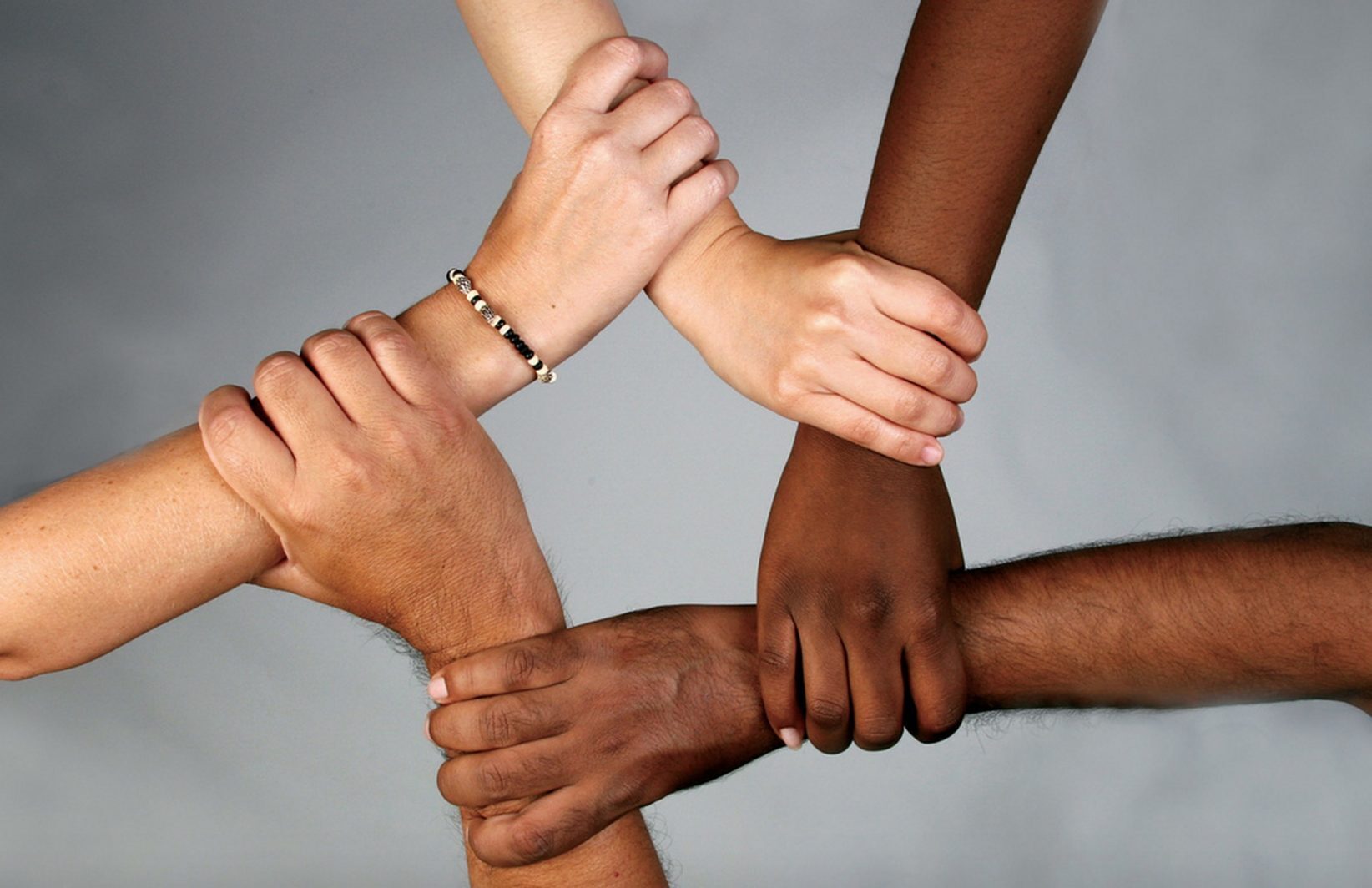
Demographically our country is changing with the rise of the “New Majority” — all the people who are considered to be minorities. 43 percent of millennials and 50 percent of newborns are non-white, according to a study by Pew Research Center. The U.S. has always been a nation in flux, but between now and 2060, rarely will we experience another shift in culture that will literally change the face of the country.
Soon, diversity will no longer be an option. It will be a fact of life. Smart business leaders will understand this importance not only because of who their future customers or clients may be, but more so who is going to make up their future workforce. Silicon Valley is starting to recognize the significance of this matter, but it’s struggling with how to solve diversity problems.
Despite the hundreds of millions of dollars being funneled into diversity initiatives by tech companies, there has been little change. Women across the board still make up only a quarter of the workforce in most tech companies. White males dominate office culture by 60 percent or more, followed by Asian men, but only in limited roles such as junior level developers. And when you do see blacks and Hispanics represented, know that combined they only make up 13 percent of the workforce.
With so much money thrown at it, why is diversity still a problem?
It’s no secret that many companies in Silicon Valley practice a nepotistic, “I only hire my buddies and Stanford (or any other Ivy League school) classmates” recruitment process. This thinking makes a lot of sense, especially for a young, cash-strapped company in its early stages of growth. But once the business matures, more often than not, that early-stage mindset is entrenched in company culture and can prove to be difficult to change.
Sadly, here in the Silicon Prairie, much of that same non-inclusive culture is raising its monolithic head and many companies within the region are already on the same path as its diversity-inept Silicon Valley predecessors. Fortunately, the Silicon Prairie is in its beta phase and has the opportunity to change many of its bad habits before it becomes another Silicon Valley.
The answer to solving diversity issues: don’t focus on diversity numbers
“Fixing” diversity through recruitment is pointless if the organization does not have a company culture in place to keep people there. Lack of diversity is the symptom of a greater issue. You cannot fix the symptom unless you address the cause first.
The true challenge is fully integrating, engaging and empowering people from diverse backgrounds. Tech companies, along with many other insular industries, overemphasize diversity recruitment while displaying underwhelming efforts when it comes to inclusion. True diversity is not built from the bottom up, but by working from the inside-out. That small but powerful nuance is the major difference between success and making the cover of Fast Company for pathetic diversity numbers.
An inside-out inclusion effort means focusing on cultural competency. Cultural competency prioritizes learning to operate effectively in different cultural contexts and altering established practices and behaviors to reach different cultural groups. As with all cultures, it doesn’t come from a set of HR policies but is a set of behaviors that is practiced throughout the company. Cultural competence is defined differently depending on the company, its location and the communities with which the business works.
A practical example of the impacts of cultural competency
Howard Ross, a leading authority on global diversity, wrote in his book about what a lack of cultural competency can mean. A Michigan hospital had an abnormally high rate of Vietnamese women who were extremely dehydrated while giving birth. Medically, no one could figure out why it was happening. That’s because it wasn’t a biological issue, but a cultural difference.
In traditional Vietnamese culture, the birthing process is viewed as a “cold” time, depleting the body of warmth. The Vietnamese women in the hospital refused the common western practice of eating ice cubes and drinking cold water during delivery, believing it would further take away warmth from their bodies. The nursing staff didn’t know to ask the simple question of how they would like their water temperature.
How many other ways does culture impact customers and our workforce?
An organization can be very diverse yet lack cultural competence. Diversity is simply a mechanism of representation whereas cultural competency refers to the ability and aptitude of an organization or system to function and perform in a cross-cultural situation.
We can start building the Silicon Prairie’s cultural competency — here’s how:
- Start now! Prioritize diversity and an inclusive way of thinking in your business vision and goals. It doesn’t have to be a part of your mission, but recognizing its importance early will save you a lot of headaches once your company reaches maturity.
- Purposefully engage with new people. In order to get away from the nepotism monster, you have to make new relationships with people that you don’t normally associate with to develop a better appreciation for their backgrounds and perspectives.
- Be willing to invest. Once financially able, invest in an inclusive culture by providing bias training, employee resource groups, expanded health insurance for new parents, talent management systems, and speakers and events that promote diversity. This will be a hefty investment, so make it a top tier line item in the financial plan. If you’re looking for longevity, you can’t afford not to.
Many say that solving diversity issues is a convoluted process, but I choose to think differently. If you want to move on from diversity issues, you have to think beyond diversity.
Louis Byrd is the founder of Mellie Blue Branding, a cross-cultural branding agency that helps companies elevate their brands through strategy, creativity and the fundamental idea of being more human. Follow Byrd on Twitter @SiuolByrd.


2016 Startups to Watch
stats here
Related Posts on Startland News

LaunchKC cuts applicant field to 100 grant finalists
An international grant competition that will welcome 10 new tech firms to Kansas City has cut a few hundred companies from its field of applicants. LaunchKC — which aims to attract 10 tech firms to relocate to KC with $50,000 grants — notified 100 finalists of the competition on Wednesday via an email. Judges identified…

UMKC kicks off high-impact entrepreneur speaker series
The University of Missouri-Kansas City’s Bloch School is hosting a bevy of successful area entrepreneurs to offer lessons and insights. UMKC’s “First Wednesdays” series will kick off this fall, aiming to offer area residents and students the chance to network and learn from some of Kansas City’s brightest business minds. The university’s first event is…

Scholarship courses available to KC entrepreneurs
Entrepreneurs and aspiring business owners in Kansas City, Mo., can now tap a variety of scholarship opportunities to help their ventures grow. The Urban Business Growth Initiative is offering scholarships to three courses this fall that hope to assist Kansas City business owners develop their vision, test market viability and more. Some scholarships are worth…

Gallery: Techweek countdown party
Dozens of entrepreneurs, technologists and businesspeople sipped cocktails Monday at Techweek’s countdown party. Below are some photos from the event, which revealed eight new speakers and a rough schedule of events. To learn more about the event, click here.