

The WTF Series: Augmented Reality
January 5, 2016 | Ben Kittrell
On a daily basis, Ben Kittrell translates the jargon-filled world of technology for clients of his tech consultancy. The Words that Frustrate (WTF) series aims to offer readers some clarity in an industry dominated by techies’ confusing argot.
Thanks to the Oculus Rift device, you probably heard last year’s buzz on virtual reality. The device, originally hacked together by 18-year-old Palmer Luckey, lets you immerse yourself in a virtual 3D world. It’s a lot like “The Matrix” without the brain jack and barber chair.
This year, we’re going to hear a lot more about virtual reality’s next-gen brother, augmented reality. Where virtual reality lets viewers explore whole new 3D worlds, augmented reality instead adds a layer on top of the real world.
Companies have been using this technology for a few years, though mostly for novel apps. You may have received a greeting card or bought a children’s toy that uses a phone application to show a 3D virtual figure through the phone’s camera. It’s quickly going to a new level, though.
Imagine walking through the grocery store, and as you shop for food, virtual information like reviews and prices pop up in thin air. Or you could be driving in your car at night and see outlines of the road projected on to your windshield. Eventually we might even have facial recognition that reminds us of people’s names at parties and networking events.
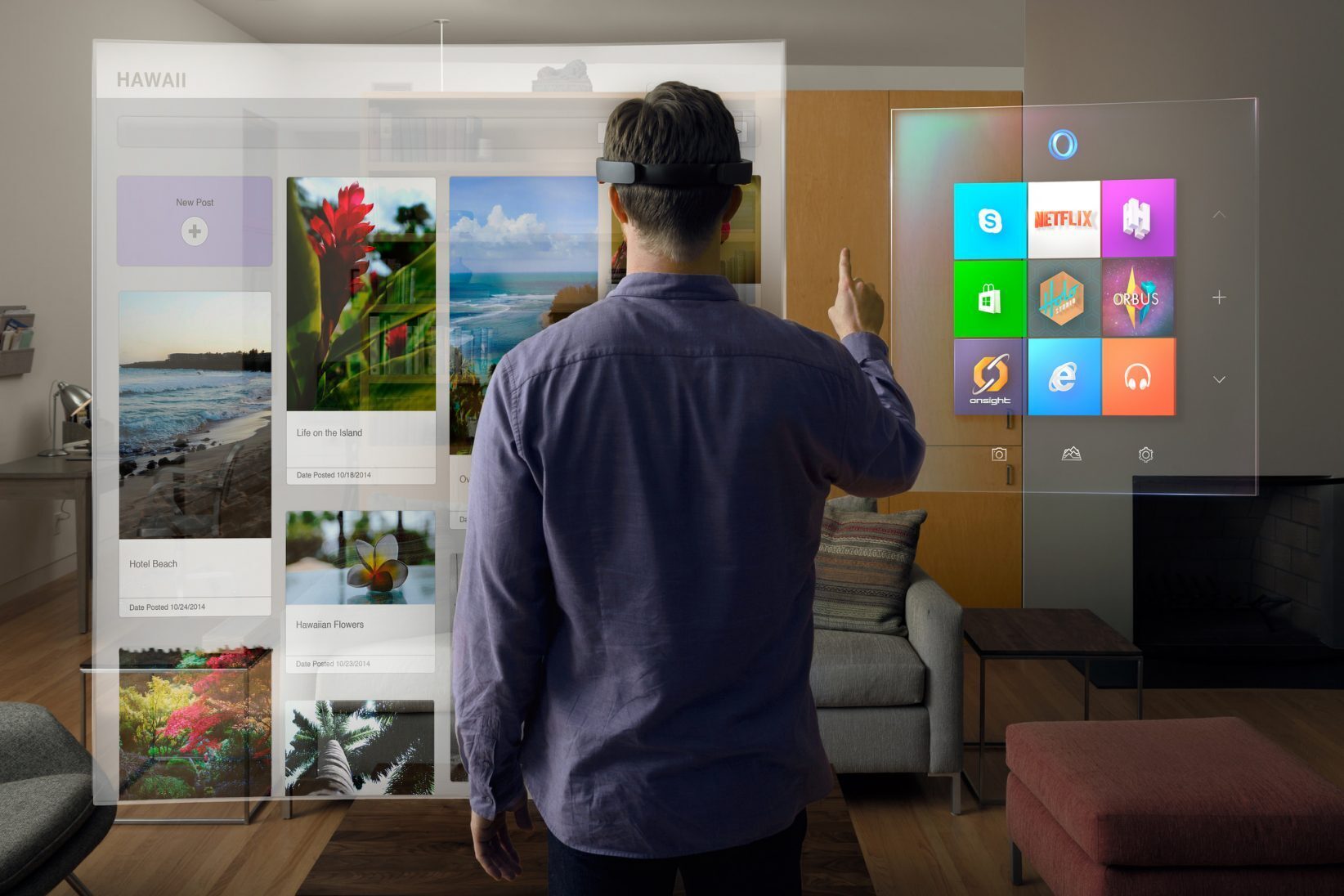
Microsoft is currently developing an augmented reality headset called Hololens. With Hololens, virtual holograms integrate into your surroundings, from to-do reminders “stuck” on the fridge to a virtual TV on the wall. The Hololens won’t just be for personal use: professionals would be able to see 3D models in real space, like car engines or DNA strands. Or it could be used for remote training where the trainer is able to draw instructions over the student’s work.
Luxury car company Jaguar is working on a windshield display that will virtually overlay useful driving information onto the road, and expects to have the device installed in vehicles within a decade. Optimal driving routes that seem to project directly onto the road will take the place of tiny GPS screens, virtual cones will train new drivers, and “Ghost Cars” will let adrenaline junkies safely race on closed tracks.
Augmented reality is a great example of a proactive technology that feeds us information as we need it instead of having to go look. As many futurists would say, the eventual goal is for technology to disappear. Instead of fumbling with electronics like phones, computers, gaming systems and more, technology will be embedded into our clothes, homes, cars and even furniture. Augmented reality is one big step into that future.
Ben Kittrell is the co-founder of Doodlekit and an advisor for startups and small businesses. Kittrell also is host of Spare Room Radio, a podcast that features Kansas City entrepreneurs.

Featured Business

2016 Startups to Watch
stats here
Related Posts on Startland News
KC favorites eye World Cup: How to become ‘the spot’ for visitors without losing KC flavor
Even a visitor can become a repeat customer, said Dulcinea Herrera, stressing the importance of Kansas City businesses making their establishments a destination — not just a one-time stopover or accidental find — for international fans and other out-of-town guests when the FIFA World Cup arrives next summer. The goal: Win them over with intentional…
Meet LaunchKC’s winners: $60K prize today; world headquarters in KC tomorrow
Every iconic company headquartered in Kansas City — from Helzberg Diamonds to Hallmark — started with an entrepreneur hoping to scale a small idea into big impact, said Jim Erickson, teasing a next wave of emerging startups and the latest winners of the LaunchKC grants competition. Eight early-stage companies were announced Monday as recipients of…

Tesseract pairs one-button robotic badge with real-time, multi-industry workforce tracking
A new site management platform — complete with wearable robots designed to automatically document work as it happens — is expected to help construction, infrastructure, and military teams gain real-time clarity across their projects and workforce, said John Boucard. “Instead of relying on spreadsheets, manual reporting, or guesswork, leaders now have continuous visual and sensor…
LISTEN: KoraLabs connects AI to the field, helping agtech grow a more sustainable future
On this episode of our 12-part Plug and Play Topeka podcast series, we speak with Luca Corinzia of KoraLabs — an agtech pioneer based in Switzerland that’s bridging the gap between scattered farm data and actionable insights. KoraLabs’ AI-driven “digital twin” platform integrates field data, satellite imagery, soil and weather models to help agronomists and…