

Report: KC needs (a lot) more venture capital
October 15, 2015 | Ashley Jost
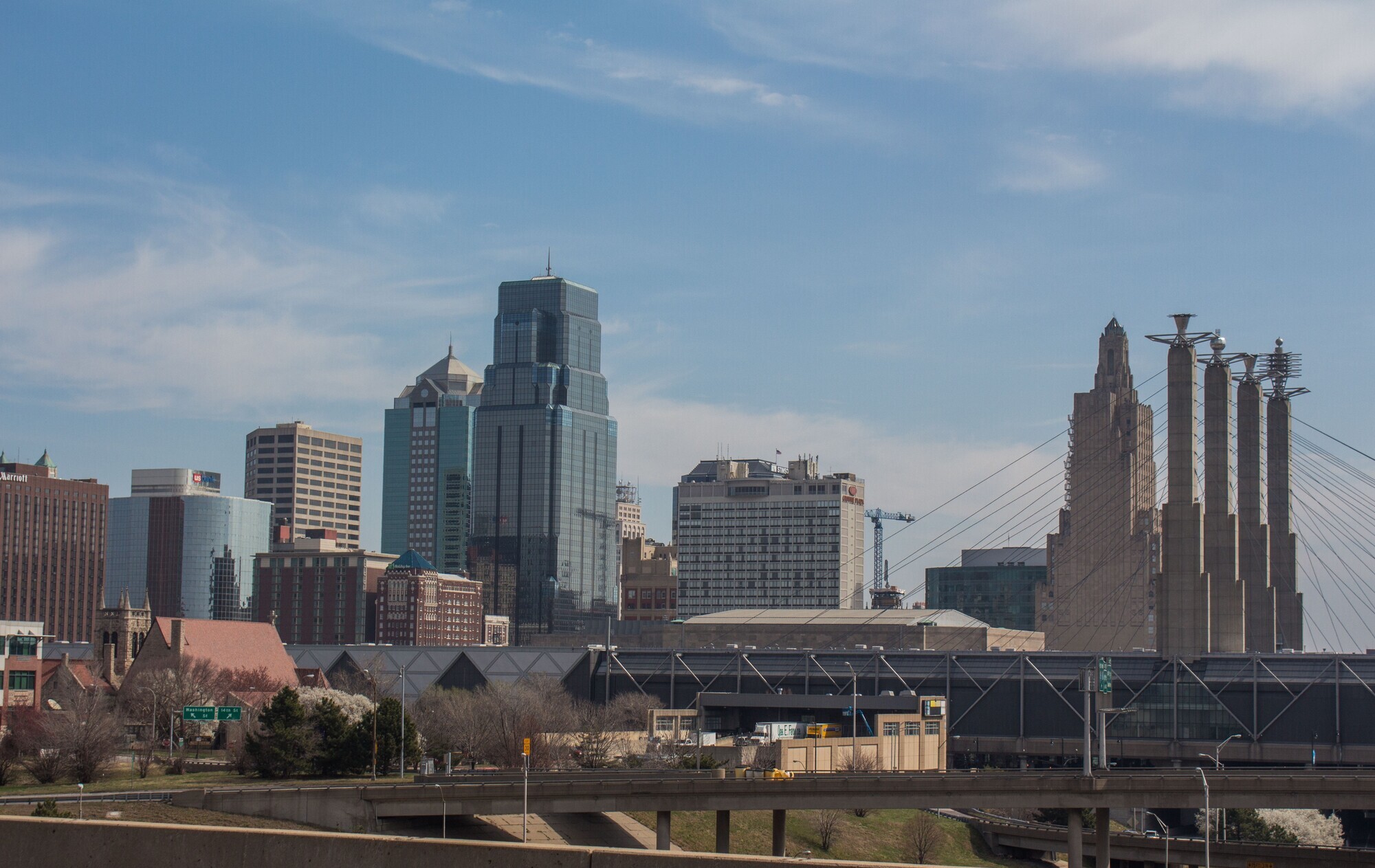
The Kansas City Area Life Sciences Institute released a report that says Kansas City needs more venture capital for its biotech industry.
Just how much venture capital? That is up for debate.
Wayne Carter, Life Sciences Institute CEO, said $100 million is the common amount thrown around in conversation regarding Kansas City’s need, and while “it’s a good place to start, it’s not enough,” he said.
“Saying we need $100 million in venture capital funding is not the end game,” he said. “We need to create an entire ecosystem of funding.”
Despite a growing life sciences community that is recognized for drawing interest, risk capital investment is a weakness in the Kansas City area Carter said, summarizing the findings of the report that Life Sciences Institute and Deloitte released this month.
The report identified and prioritized opportunities for the region to be more successful in life sciences, and investment was a primary strategy.
“It’s almost like we’re pushing companies away,” Carter said. “We just don’t have money here. If you’re an early stage business in Kansas City, you’re probably going to start with meeting investors in regional states, but more than likely you’re going to have meetings in California or Massachusetts.”
And what happens if Kansas City doesn’t get to that magic number of $100 million in venture capital?
Carter said it’s likely the region will continue to grow, but at a much slower rate. Furthermore, if outside investors sign a deal with area companies, the businesses almost always relocate, meaning the region will miss out on prospective jobs, revenue and other economic opportunities.

Featured Business

2015 Startups to Watch
stats here
Related Posts on Startland News

Reconciliation Services hopes to heal trauma in the heart of stigmatized Troost corridor
Commanded by Scripture, David Altschul journeyed into parts unknown, said his successor, Father Justin Mathews. In the mid-1980s, a philanthropic pull tugged at the heart of Altschul — a white, insurance salesman from Johnson County — and eventually led him into the distressed, history-rich neighborhoods that lined Troost Avenue on the east side of…
Thelma’s Kitchen cooks up pay-what-you-can cafe concept to preserve community
Twenty people once filled the kitchen of Thelma Gardner’s apartment in search of their next meal. Their hunger for food fueled her hunger for humanity, recounted Father Justin Mathews as he sat sipping coffee in the newly opened Thelma’s Kitchen. The pay-what-you-can restaurant — located inside of the Reconciliation Services building at 3101 Troost Ave.…
Operation Breakthrough bridge over Troost symbolizes ‘real community’ at an intersection
With reflection in his voice, Alvin Brooks paused. “The city has to be a partner,” the Civil Rights activist and veteran Kansas City Police Commissioner said as he spoke of the redevelopment of Troost Avenue — the well known racial dividing line, that has long isolated the east side of the Kansas City metro from the…

Troostapalooza aims to shed the old skin of city’s racial dividing line, says Kemet Coleman
Troostapalooza will build community while constructively addressing the elephant in the room, said Kemet Coleman, organizer of the newly developed street festival. “We wanted to create a home away from home on Troost that is inclusive and sensitive to the historic and existing nuances,” he said. “Not the violent, divisive one that is portrayed by…