

Study: Missouri tops Kansas in tech job growth
August 27, 2015 | Ashley Jost

Part of the Kansas City metro area was represented on a recent report of states showing the most growth for tech-related jobs.
Missouri hung on to the bottom end of Dice.com’s 17-state list at No. 15, showing 1.17 percent job growth in the tech industry during the last six months.
KCnext President Ryan Weber chalks it up to the pipeline of talent, to some extent. Weber’s organization works to grow the tech industry in the Kansas City metro.
“I would attribute that to the ability of the state’s education system to produce the talent that it does,” Weber said about Missouri, pointing to the University of Missouri and the Missouri University of Science and Technology in particular, which yield the bulk of the state’s graduates in tech-related fields. “In general, they’re producing more talent than the state of Kansas, which might explain why Missouri [made the list].”
Weber added that the Kansas City metro area currently has more than 2,000 open tech positions. Universities must help fill that need if the metro area is to realize its potential as a top tech hub, Weber previously said.
Dice.com used aggregated data from the U.S. Bureau of Labor Statistics on hiring in computer systems design and related tech services to compile the list. Dice is a 24-year old website that focuses on technology job postings. The company has published a similar tech growth list using federal statistics for the last four years.
Minnesota topped this list with 8.36 percent growth, which the blog attributes to steady quarter-over-quarter growth during the last year.
Here’s the list in full, along with percentage increases in states’ tech populations:
- Minnesota (8.36 percent)
- Utah (5.75 percent)
- Nebraska (5.22 percent)
- Michigan (4.47 percent)
- Florida (4.27 percent)
- Massachusetts (3.75 percent)
- New York (3.58 percent)
- Maryland (3.45 percent)
- Oregon (3.42 percent)
- California (3.04 percent)
- Virginia (2.31 percent)
- Illinois (2.14 percent)
- Texas (1.97 percent)
- Ohio (1.39 percent)
- Missouri (1.17 percent)
- Georgia (0.96 percent)
- New Jersey (0.43 percent)


2015 Startups to Watch
stats here
Related Posts on Startland News

5 reasons your startup isn’t attracting investors
Last week, Techstars managing director John Fein told us that one of the main complaints he hears from Kansas City investors is that there aren’t enough fundable startups. Investors may be right, but it’s not necessarily a lack of good ideas. Today, Kansas City investors are looking for more than the next big idea: they’re…

Events Preview: SMCKC Breakfast, Second Fridays
There are a boatload of entrepreneurial events hosted in Kansas City on a weekly basis. Whether you’re an entrepreneur, investor, supporter or curious Kansas Citian, we’d recommend these upcoming events for you. WEEKLY EVENT PREVIEW SMCKC February Breakfast – Connected City When: February 5 @ 7:30 am – 9:00 am Where: Grand Street Cafe Learn how the…

Unimpeded support for Kansas’ angel tax credits floods Topeka
It appears area entrepreneurs and business leaders are unanimously agreed on at least one thing: Kansas’ Angel Investment Tax Credit program must endure. About a dozen people converged on Kansas Legislature Wednesday to voice unopposed support of the program, which has spurred significant growth in Kansas’ tech and bioscience sectors. The program — as represented…
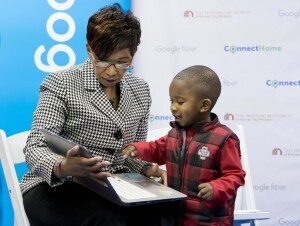
Google Fiber offering free gigabit to low-income homes
Access to the Internet is almost universally agreed to be a defining sign of progress in third-world countries. Yet millions of citizens across the U.S. still sit on the wrong side of the digital divide. The vast majority of these citizens have one thing in common: they live in low-income households, where cost outweighs the…