

Sprint Accelerator Demo Day preview (part I)
June 1, 2015 | Bobby Burch
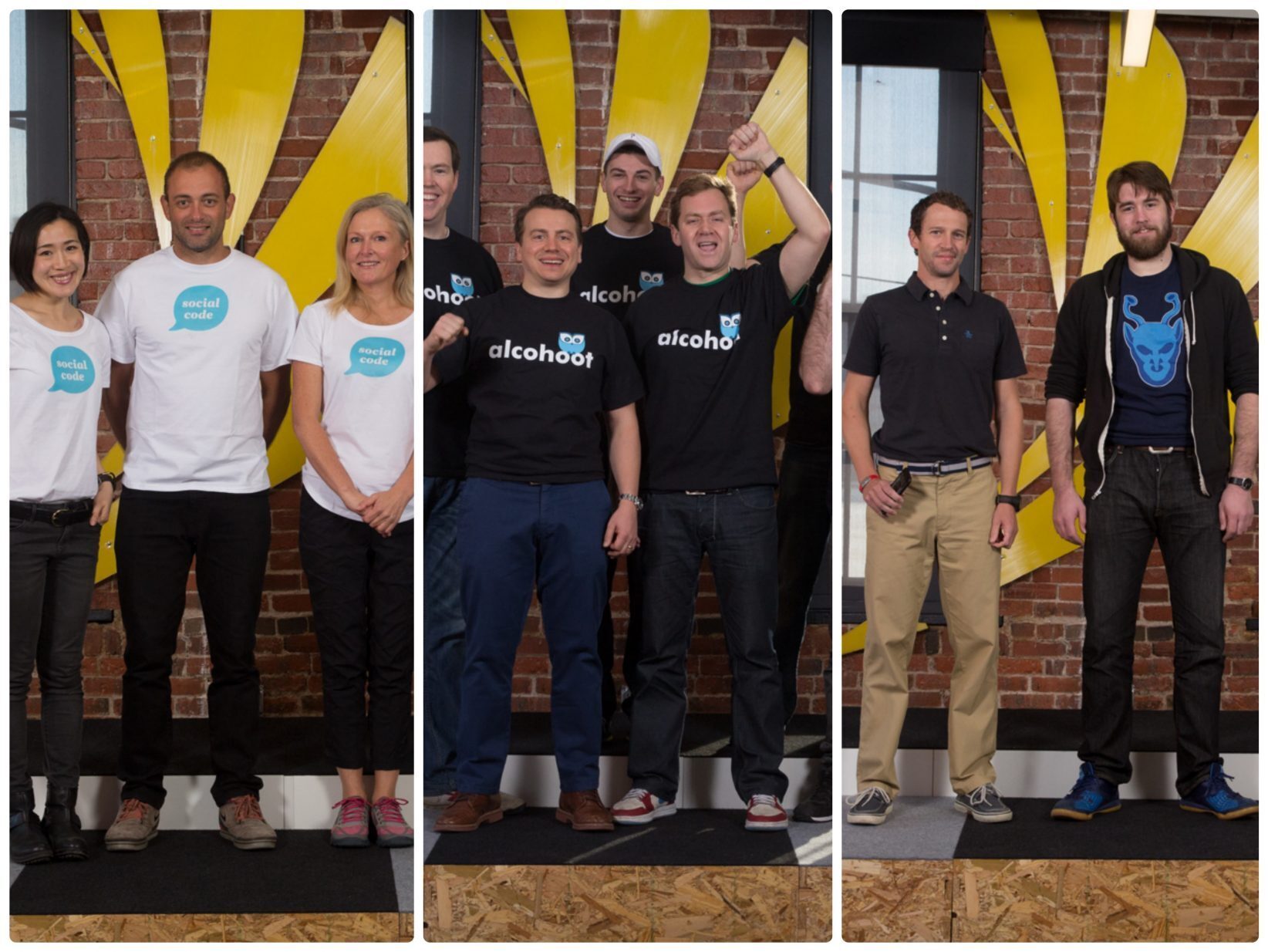
The second class of the Sprint Mobile Health Accelerator is gearing up for its much-anticipated Demo Day, which serves as a culminating event and is expected to draw a crowd of nearly 2,000 people. Led by Boulder-based Techstars, the Kansas City-based accelerator is now hosting 10 mobile health tech startups from around the world for its three-month, mentor-led program. Startland News caught up with each of the firms to get their thoughts on the program and will release a new part of the series each day ahead of Demo Day, which is scheduled for 5:30 p.m., June 4 at the Kauffman Center.
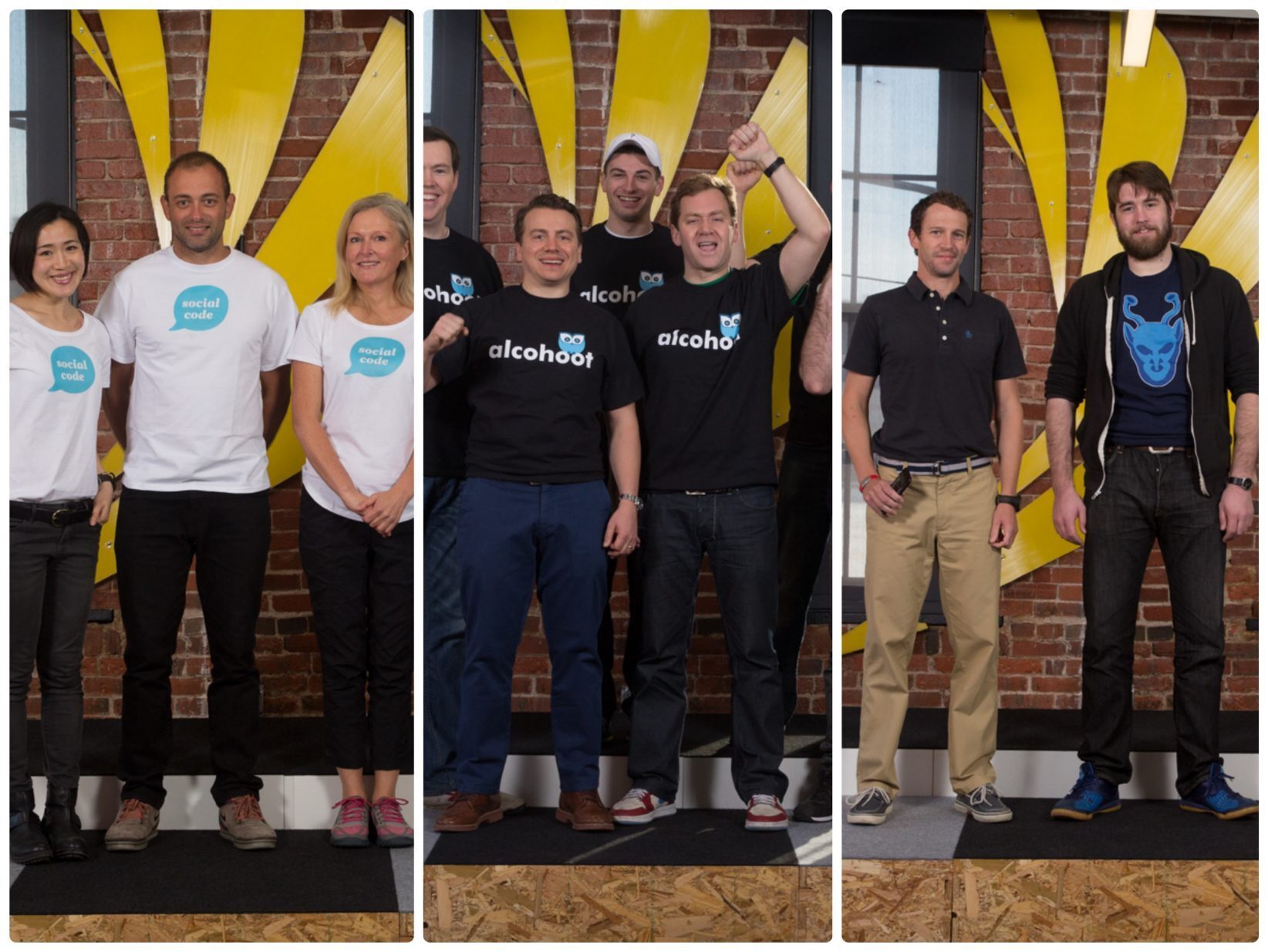
Photos by James Allison/Sprint
Melon Health
Founder and CEO: Siobhan Bulfin
Hometown: San Francisco
Company bio: Formerly Social Code, Melon Health’s mobile health platform helps people manage their health through peer support, access to clinicians and behavior change tools.
Bulfin on the accelerator’s impact …
It’s given us the opportunity to get in front of organizations that are genuinely receptive to working with startups. It’s also given us access to a wide range of high achievers by way of the mentor network. It’s been a great opportunity to be supplanted somewhere completely away from where you normally are in order to work intensively with your team.
Bulfin on Kansas City …
I think everyone here would say that Kansas City is the most hospitable, friendly city. Every single interaction I’ve had with every single person in this city has been really nice and positive. You walk down the street and people ask you how you’re doing. The people have been overwhelmingly friendly.
Bulfin on what’s next …
After the accelerator, we will be returning to San Francisco, and we are currently hiring for a position here in Kansas City. We are establishing a presence here, hiring a local account manager in Kansas City. We see this as the best launch pad for our Midwest activities.
Alcahoot
Founder and CEO: Chris Ayala
Hometown: New York City
Company bio: Alcahoot is a personal smartphone breathalyzer to help consumers make responsible decisions when out having a good time.
Ayala on the biggest change in Alcahoot’s business …
One [of the biggest changes] was our focus. What we need to do now? Where do we need to sell our product? What are the markets we need to go after? … We’ve seen a lot of good traction in consumer retail, and we’ve actually launched pilot programs in police departments and in that fleet management space.
Ayala on his biggest lesson at the accelerator …
The biggest lesson is never doubt a sales opportunity or someone who might have interest in your product.
Ayala on Kansas City …
The opportunity in Kansas City is awesome. We’ve made such great strides here. … I’m actually already interviewing a couple people to be located here full time. … I think Kansas City is awesome. One of the most wonderful things about this city to date has been our ability to make one phone call and get to a decision maker. In New York it’s usually 5 or 6 phone calls.
REX
Founder and CEO: Amado Guloy
Hometown: Houston
Company bio: REX monitors animal diseases across the globe by aggregating real-time and assorted data to provide analytics for the animal health industry.
Guloy on the company’s biggest change …
We’ve definitely changed from what we came in before [the accelerator]. We’ve morphed. … During the course of mentor madness we realized that we were having trouble with growth and we knew this was a reflection of pet owners not really taking their pets to the vet regularly. … (Eventually) we found there was a really big need for (animal disease tracking) in the animal health industry.
Guloy on the company’s biggest lesson …
We learned how to quickly adapt, to try things really fast and see what sticks. Like some of the other companies here we got to taste all the startup drama you could have in a short time. We changed some employees, and we pivoted.
Guloy on the accelerator’s impact …
Literally two weeks after we pivoted we got our first pilot. We’ve booked more revenue in the past two months than we have in the past year and a half that we’ve been working on this.

Featured Business

2015 Startups to Watch
stats here
Related Posts on Startland News

Coworking studio the GRID marks grand opening in Overland Park
Already popular in downtown Kansas City, coworking options are now expanding further south into the metro area. Jennifer Stearns, community manager at the relatively-new GRID collaborative workspaces in Overland Park, said that coworking has a bright future in not only Kansas City but also in its suburbs. The facility opened their doors in April, but…
Reporting from Ireland: A pint with Pipeline fellow Jeff Rohr
Belfast, Northern Ireland — Keen to tap Irish hospitality and a culture of innovation, members of the Pipeline entrepreneurial fellowship program have incurred no shortage of either in Northern Ireland’s capital city. After a morning of “speed dating” with Irish entrepreneurs, 13 fellows in Pipeline’s 2016 fellowship class joined alumni at Brewbot to continue fostering…

‘5 things on my desk’ with ShotTracker co-founder Davyeon Ross
Startland News and the Kansas City Star have partnered to publish content as part of the Star’s new special section, “Spirit.” This story was originally published in the Star’s Sept. 18 Sunday edition. Kansas City doesn’t need an NBA team for it to stand out in the world of basketball. Working with partners like Golden…
WillCo Technologies hiring 90 people after snagging energy-saving patent
The average american household wastes up to 61 percent of its energy input. Kevin Williams, CEO of WillCo Technologies, said that this is because of the way electrical grids are designed. Although the average consumer requires significantly less power during school and work hours, the grid keeps energy limits consistently high in order to sustain through…