

Study: Gov should take long-term approach to grow new businesses
May 1, 2015 | Bobby Burch
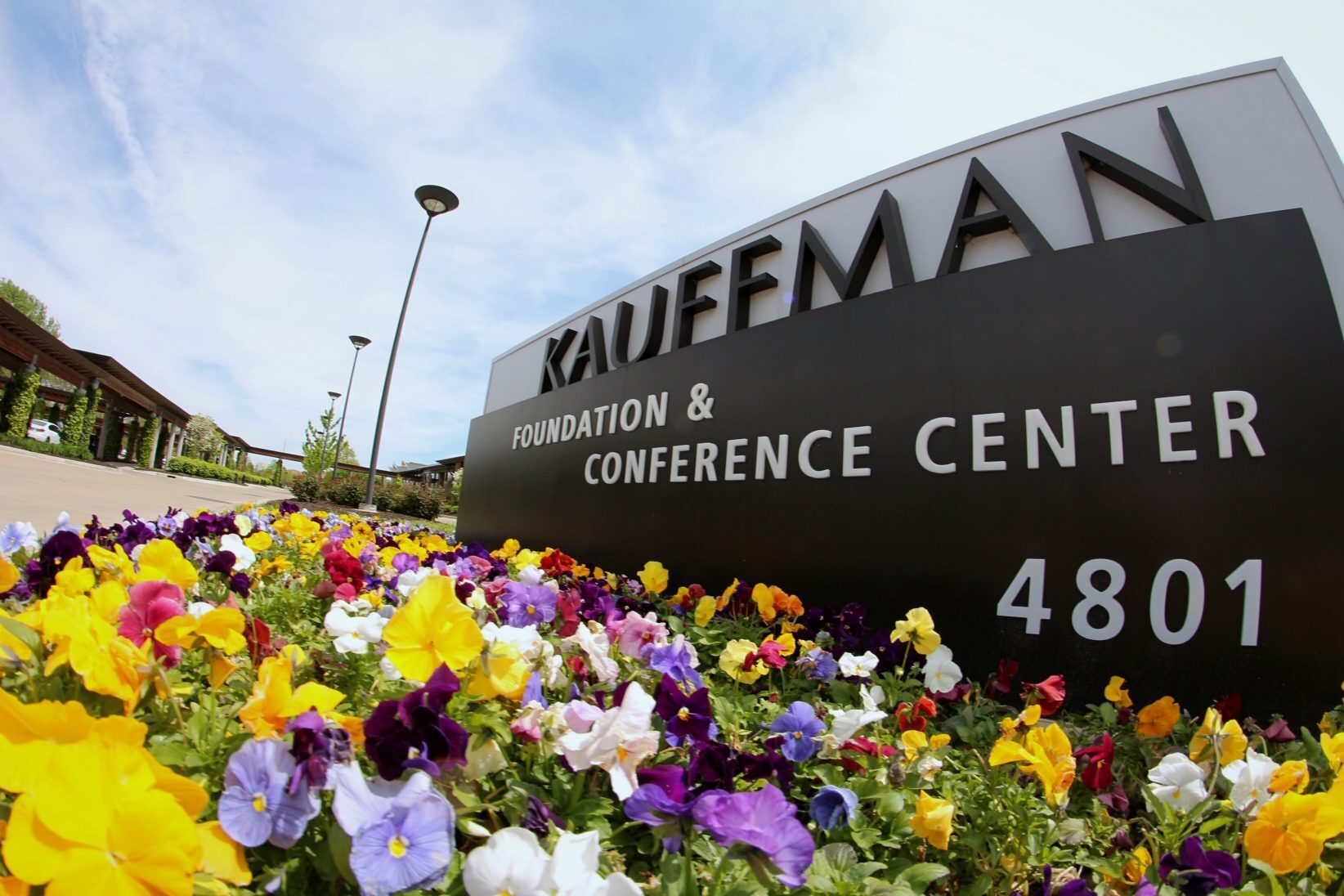
A recent study by the Ewing Marion Kauffman Foundation reports that while governments have long supported entrepreneurship, new business creation is waning.
The study — Guidelines for Local and State Governments to Promote Entrepreneurship — found that new businesses comprised about 8 percent of all U.S. businesses in 2011, down from roughly 15 percent in the late 1970s. Also the report contends that recent groups of startup firms are creating fewer jobs.
“Cities and states have been devoting a great deal of energy and resources toward the promotion of entrepreneurship, yet entrepreneurship has been sputtering,” said Jason Wiens, policy director at the Kauffman Foundation and the paper’s co-author. “The traditional methods of encouraging entrepreneurship are not producing desired results and should be replaced with methods that are more likely to gain traction.”
Traditionally, local governments’ efforts to foster entrepreneurship have relied on public venture funds and incubation centers that provide startups with a variety of resources. Those resources include free or low-cost office space, business assistance, management training and other services, however, the report finds that these strategies often are inadequate in fostering entrepreneurial activity.
“We’ve found that the public sector typically lacks the expertise to evaluate and support entrepreneurs, and business incubators may only serve to prop up businesses that would not otherwise survive,” said Yasuyuki Motoyama, director of Research & Policy at the Kauffman Foundation, and co-author of the paper. “At the same time, entrepreneurs often find it difficult to meet other entrepreneurs or investors in their regions.”
Adding to these challenges, politicians often are interested only in policies or programs that will enable a quick response within their term. The researchers assert that local government should rather commit to a strategic, long-term vision for at least ten years.
“There is no denying political realities that lead elected officials to seek quick answers to problems,” Wiens said. “But with entrepreneurship, it can take time to see policies pay off in terms of new business and job creation. I think the role of entrepreneurs and support organizations is to cast a compelling vision for what can be. When people buy-in to that, they will be more likely to have the patience needed to see policies through.”
Wiens and other researchers also advocate that governments should focus on strategies to work with entrepreneurs at an individual level. Hands-on learning and direct interaction with local business owners is invaluable in this process, and ultimately sets companies up for better success.

Featured Business

2015 Startups to Watch
stats here
Related Posts on Startland News

KC couple’s 15-year journey evolves into $4M 24-hour child care center in urban core
A multimillion-dollar expansion for KD Academy is expected to upgrade the early learning and child care center’s capacity from 95 to 430 students at its new headquarters on Prospect Avenue — a redevelopment boon for the east side corridor and the extension of a family’s long-running mission. “Our goal starting out was to create a…

Why KCK’s ‘dopest, 7-fingered, adopted, biracial business owner’ is serving kinship, coffee at his new cafe
When a new coffee shop in KCK’s Strawberry Hill neighborhood opens this fall, the space is expected to feature more than just specialty roasts — with financial literacy programming, community workouts and hip hop yoga sessions on the menu. “It’s never been about, ‘How can I make the most money the fastest?’” said TJ Roberts,…

Beacon analysis: Restaurant relief funds flowed to whiter, more affluent areas of Kansas City
Editor’s note: The following story was originally published by The Kansas City Beacon, a nonprofit, public-service journalism newsroom serving Kansas and Missouri. Click here to read the original story or here to sign up for the free Kansas City Beacon email newsletter. Local businesses received a total of $53 million from the fund, but few of those dollars flowed…

New ranking: How KC can break into the Top 10 Midwest startup cities (and why it hasn’t yet)
A freshly released ranking of Midwest startup hubs shows Kansas City maintaining its years-long position at No. 12, but warns — despite a few recent headline-grabbing wins — the metro faces the threat of stagnation without increased activity, startup reinvestment and government support. “You had to get more funding and big exits just to stay…