

Study: Gov should take long-term approach to grow new businesses
May 1, 2015 | Bobby Burch
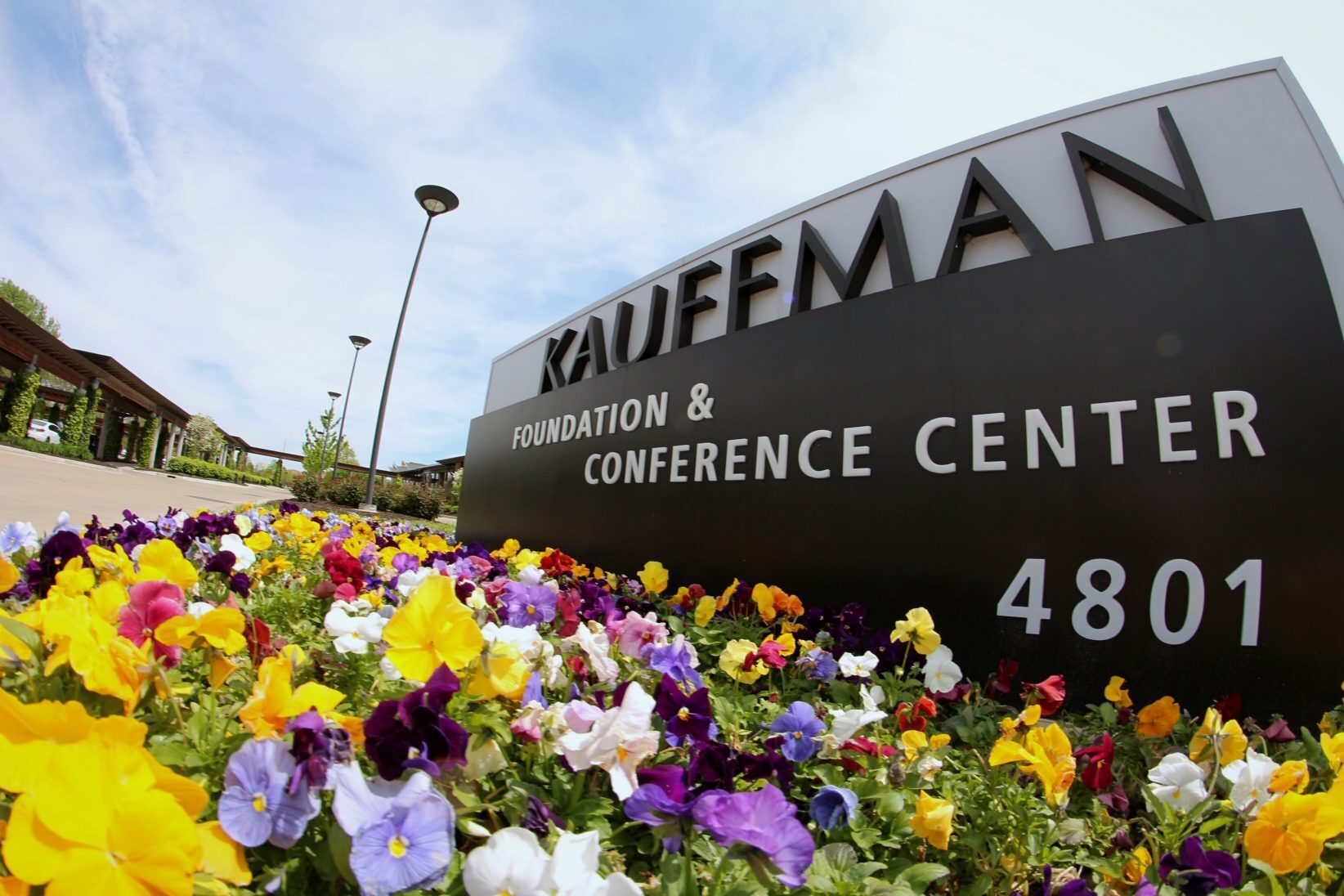
A recent study by the Ewing Marion Kauffman Foundation reports that while governments have long supported entrepreneurship, new business creation is waning.
The study — Guidelines for Local and State Governments to Promote Entrepreneurship — found that new businesses comprised about 8 percent of all U.S. businesses in 2011, down from roughly 15 percent in the late 1970s. Also the report contends that recent groups of startup firms are creating fewer jobs.
“Cities and states have been devoting a great deal of energy and resources toward the promotion of entrepreneurship, yet entrepreneurship has been sputtering,” said Jason Wiens, policy director at the Kauffman Foundation and the paper’s co-author. “The traditional methods of encouraging entrepreneurship are not producing desired results and should be replaced with methods that are more likely to gain traction.”
Traditionally, local governments’ efforts to foster entrepreneurship have relied on public venture funds and incubation centers that provide startups with a variety of resources. Those resources include free or low-cost office space, business assistance, management training and other services, however, the report finds that these strategies often are inadequate in fostering entrepreneurial activity.
“We’ve found that the public sector typically lacks the expertise to evaluate and support entrepreneurs, and business incubators may only serve to prop up businesses that would not otherwise survive,” said Yasuyuki Motoyama, director of Research & Policy at the Kauffman Foundation, and co-author of the paper. “At the same time, entrepreneurs often find it difficult to meet other entrepreneurs or investors in their regions.”
Adding to these challenges, politicians often are interested only in policies or programs that will enable a quick response within their term. The researchers assert that local government should rather commit to a strategic, long-term vision for at least ten years.
“There is no denying political realities that lead elected officials to seek quick answers to problems,” Wiens said. “But with entrepreneurship, it can take time to see policies pay off in terms of new business and job creation. I think the role of entrepreneurs and support organizations is to cast a compelling vision for what can be. When people buy-in to that, they will be more likely to have the patience needed to see policies through.”
Wiens and other researchers also advocate that governments should focus on strategies to work with entrepreneurs at an individual level. Hands-on learning and direct interaction with local business owners is invaluable in this process, and ultimately sets companies up for better success.

Featured Business

2015 Startups to Watch
stats here
Related Posts on Startland News

How one KC startup studio helps feel-good ventures grow impact while actually making money
Running a social venture comes with an inherent challenge for founders, shared Jacqueline Erickson Russell, emphasizing they must balance purpose and profit. Social Venture Studio — powered by LaunchKC — offers support along that journey, added Erickson Russell, the founder and CEO of Social Impact Advising Group and consultant for the Kansas City-based program. “Complex…

This hard swap plays easy: How one KC producer juggles community, breaking the club music cookie cutter
Tyler Jordan’s new spin on DJing: amplify fellow artists and unite people through music, he shared. Jordan — who produces electronic music and DJs under the name Oblivinatti (a mashup of his favorite video game growing up, The Elder Scrolls: Oblivion, and his interest in conspiracy theories) — is evolving his sound production business Vibration…

Art and technology too often butt heads, festival planners say; River Market event paints a reality where they coexist
The River Market Art Festival is back after a 20-year hiatus — with a nod to the past and an eye toward the future, shared The AI Hub’s Taylor Burris and James Spikes, startup founders who are hosting the event in partnership with the River Market Community Association. The revival of the art festival —…
PayIt co-founder: No one-size-fits-all formula for scaling one of KC biggest startup ideas
Mike Plunkett’s journey with PayIt came to an early, but critical crossroads when a wealthy entrepreneur offered half-million dollars to support the Kansas City-built govtech venture, he recalled. The catch: this investor insisted on imposing control and veto power as they committed more funds. Despite being low on funds, the PayIt team — led by…