

Study: Gov should take long-term approach to grow new businesses
May 1, 2015 | Bobby Burch
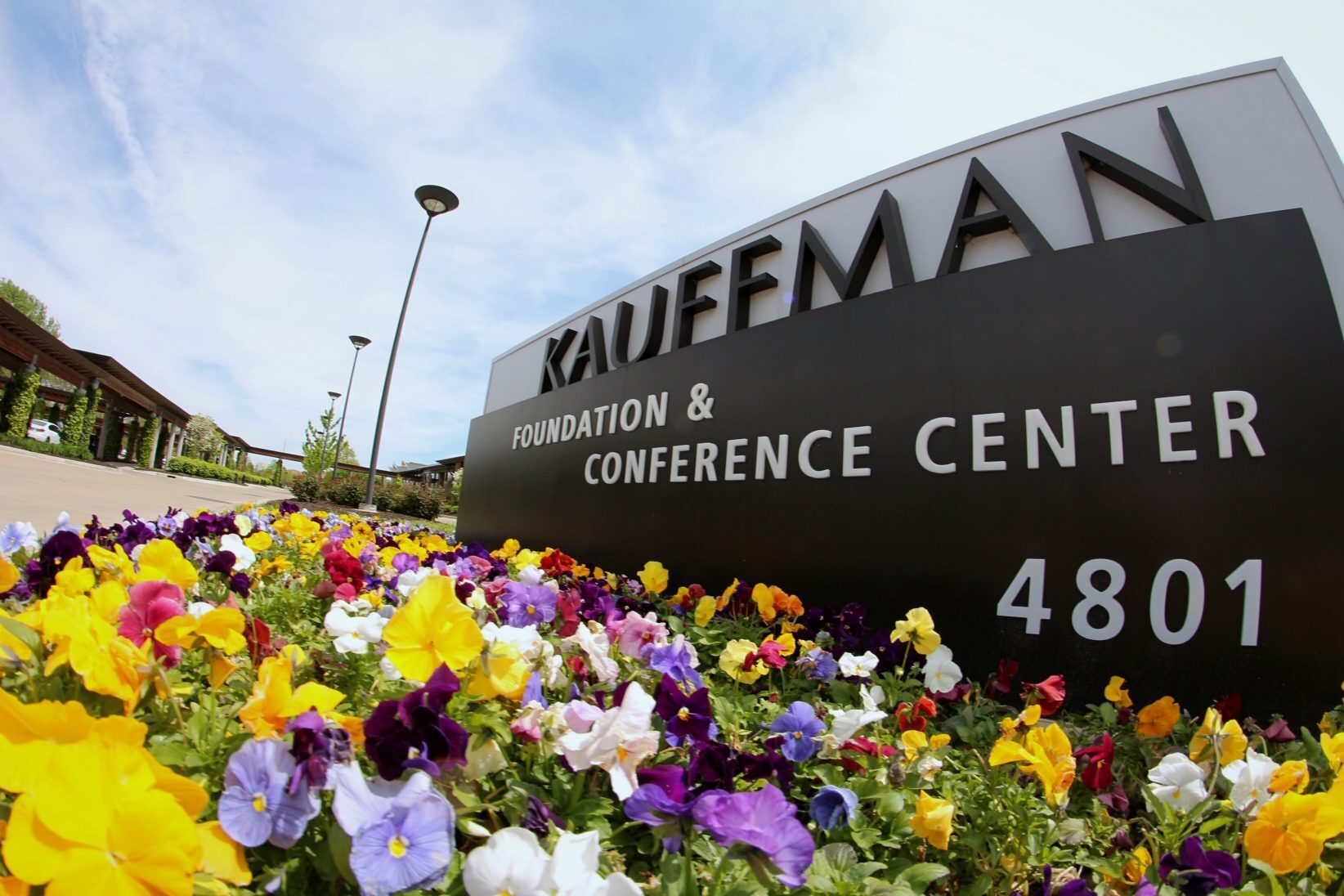
A recent study by the Ewing Marion Kauffman Foundation reports that while governments have long supported entrepreneurship, new business creation is waning.
The study — Guidelines for Local and State Governments to Promote Entrepreneurship — found that new businesses comprised about 8 percent of all U.S. businesses in 2011, down from roughly 15 percent in the late 1970s. Also the report contends that recent groups of startup firms are creating fewer jobs.
“Cities and states have been devoting a great deal of energy and resources toward the promotion of entrepreneurship, yet entrepreneurship has been sputtering,” said Jason Wiens, policy director at the Kauffman Foundation and the paper’s co-author. “The traditional methods of encouraging entrepreneurship are not producing desired results and should be replaced with methods that are more likely to gain traction.”
Traditionally, local governments’ efforts to foster entrepreneurship have relied on public venture funds and incubation centers that provide startups with a variety of resources. Those resources include free or low-cost office space, business assistance, management training and other services, however, the report finds that these strategies often are inadequate in fostering entrepreneurial activity.
“We’ve found that the public sector typically lacks the expertise to evaluate and support entrepreneurs, and business incubators may only serve to prop up businesses that would not otherwise survive,” said Yasuyuki Motoyama, director of Research & Policy at the Kauffman Foundation, and co-author of the paper. “At the same time, entrepreneurs often find it difficult to meet other entrepreneurs or investors in their regions.”
Adding to these challenges, politicians often are interested only in policies or programs that will enable a quick response within their term. The researchers assert that local government should rather commit to a strategic, long-term vision for at least ten years.
“There is no denying political realities that lead elected officials to seek quick answers to problems,” Wiens said. “But with entrepreneurship, it can take time to see policies pay off in terms of new business and job creation. I think the role of entrepreneurs and support organizations is to cast a compelling vision for what can be. When people buy-in to that, they will be more likely to have the patience needed to see policies through.”
Wiens and other researchers also advocate that governments should focus on strategies to work with entrepreneurs at an individual level. Hands-on learning and direct interaction with local business owners is invaluable in this process, and ultimately sets companies up for better success.

Featured Business

2015 Startups to Watch
stats here
Related Posts on Startland News

Here’s how ULAH’s new boutique model aims to rack success for local brands, not inventory debt
The new KC Collective consignment-based program for local brands at ULAH is a win for both the Westwood boutique and Kansas City creatives, said Joey Mendez and Buck Wimberly, announcing a fresh model to help the struggling store stay open and financially stable. “We’ve always had local brands,” said Mendez, co-founder of ULAH, explaining the…

Tiki Taco ticks up giving alongside expansion; CEO owns up to taco shop’s neighborhood impact model
A month-long campaign in the popular Kansas City-based chain offers easy add-on: joining KC GIFT’s network of donors Restaurant executive Eric Knott wants Tiki Taco’s operators to own the neighborhoods into which the popular taco shop expands, he said, but that doesn’t just mean dominating the fast-casual market in each pocket of Kansas City. “Our…

Kauffman Foundation announces first-ever semifinalists for Uncommon Leader Impact Award
A new leadership prize aimed at celebrating changemakers at organizations aligned with the priorities of the Ewing Marion Kauffman Foundation is closer to naming its first winner, the influential nonprofit announced Wednesday, revealing 12 semifinalists culled from more than 300 nominations. “The response from community members across the Kansas City metro area was tremendous,” said…

Main Street is already harnessing AI to build wealth; adoption now key to region’s growth, heartland leaders say
WICHITA, Kan. — Artificial intelligence is likely to be one of the most transformative technologies of the digital era, said Taylor Eubanks, noting that AI’s thoughtful deployment can be a tool for growth, not displacement. “By engaging directly with entrepreneurs, small businesses, nonprofit leaders and local innovators, we can better support responsible AI adoption that…