

Study: Gov should take long-term approach to grow new businesses
May 1, 2015 | Bobby Burch
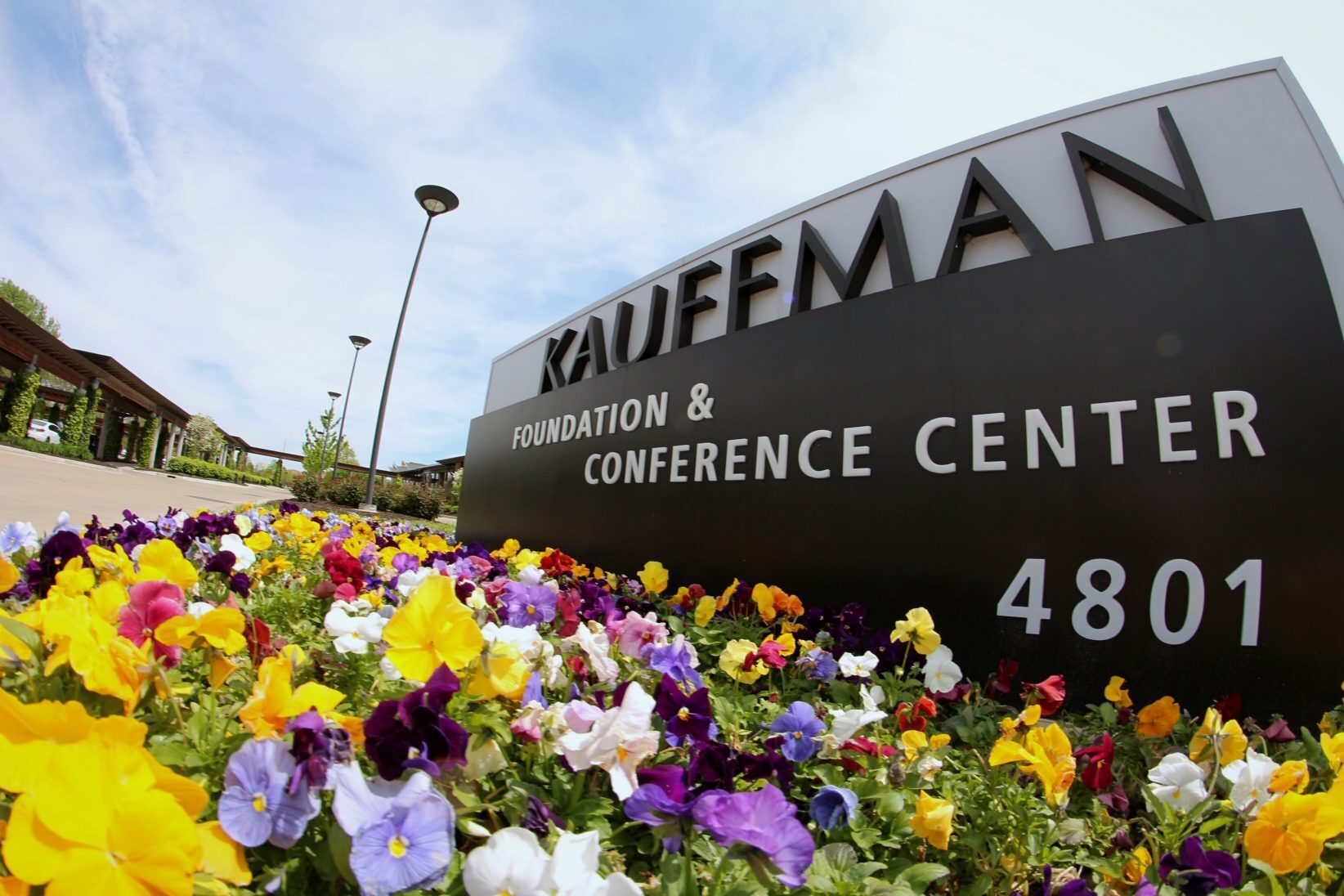
A recent study by the Ewing Marion Kauffman Foundation reports that while governments have long supported entrepreneurship, new business creation is waning.
The study — Guidelines for Local and State Governments to Promote Entrepreneurship — found that new businesses comprised about 8 percent of all U.S. businesses in 2011, down from roughly 15 percent in the late 1970s. Also the report contends that recent groups of startup firms are creating fewer jobs.
“Cities and states have been devoting a great deal of energy and resources toward the promotion of entrepreneurship, yet entrepreneurship has been sputtering,” said Jason Wiens, policy director at the Kauffman Foundation and the paper’s co-author. “The traditional methods of encouraging entrepreneurship are not producing desired results and should be replaced with methods that are more likely to gain traction.”
Traditionally, local governments’ efforts to foster entrepreneurship have relied on public venture funds and incubation centers that provide startups with a variety of resources. Those resources include free or low-cost office space, business assistance, management training and other services, however, the report finds that these strategies often are inadequate in fostering entrepreneurial activity.
“We’ve found that the public sector typically lacks the expertise to evaluate and support entrepreneurs, and business incubators may only serve to prop up businesses that would not otherwise survive,” said Yasuyuki Motoyama, director of Research & Policy at the Kauffman Foundation, and co-author of the paper. “At the same time, entrepreneurs often find it difficult to meet other entrepreneurs or investors in their regions.”
Adding to these challenges, politicians often are interested only in policies or programs that will enable a quick response within their term. The researchers assert that local government should rather commit to a strategic, long-term vision for at least ten years.
“There is no denying political realities that lead elected officials to seek quick answers to problems,” Wiens said. “But with entrepreneurship, it can take time to see policies pay off in terms of new business and job creation. I think the role of entrepreneurs and support organizations is to cast a compelling vision for what can be. When people buy-in to that, they will be more likely to have the patience needed to see policies through.”
Wiens and other researchers also advocate that governments should focus on strategies to work with entrepreneurs at an individual level. Hands-on learning and direct interaction with local business owners is invaluable in this process, and ultimately sets companies up for better success.

Featured Business

2015 Startups to Watch
stats here
Related Posts on Startland News

Video: Sprint Accelerator firms deliver elevator pitches
Startland News, along with the Kansas City community, was able to mix and mingle with the current cohort of startups at the Kansas City-based Sprint Accelerator. In a Wednesday night event at the accelerator — located in the Crossroads Arts District — ten startup founders also quickly pitched their tech firms’ missions. The accelerator program, led…

Inaugural smart city summit eyes the future of public safety
How can technology improve the safety of a city? That subject and more will be discussed during the upcoming Smart City Tech Summit, which will host dozens of government officials and public safety professionals from around the U.S. The summit — set to take place March 29 through March 31 — will focus on the…

Kansas’ angel tax credits sprint to legal finish line
The Kansas House of Representatives nearly unanimously agreed that the state’s Angel Investor Tax Credits program must continue to boost early-stage businesses. The House voted 122 to 3 in favor of a measure that will extend the life of the $6 million program until 2021. Angel investor tax credits, which are set to expire in 2016,…

Shawnee native sells another startup for over $1B with GM deal
General Motors is hoping to become the leader of self-driving car technology with the gargantuan acquisition of Cruise Automation, whose founder has a local tie. GM announced on March 11 that it purchased Cruise for more than $1 billion in a move that aims to accelerate the development of GM’s autonomous vehicle tech. Cruise…