

Study: Gov should take long-term approach to grow new businesses
May 1, 2015 | Bobby Burch
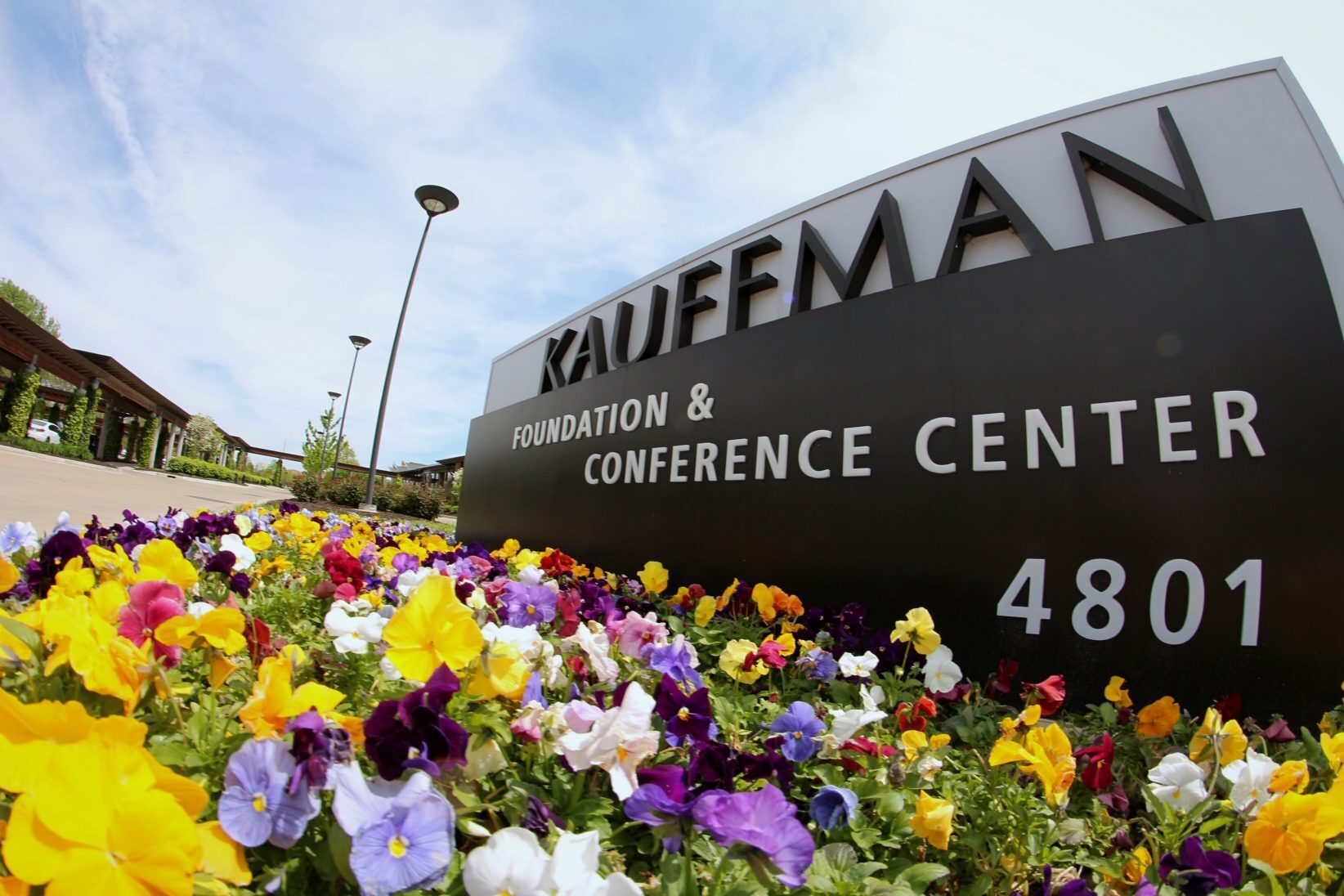
A recent study by the Ewing Marion Kauffman Foundation reports that while governments have long supported entrepreneurship, new business creation is waning.
The study — Guidelines for Local and State Governments to Promote Entrepreneurship — found that new businesses comprised about 8 percent of all U.S. businesses in 2011, down from roughly 15 percent in the late 1970s. Also the report contends that recent groups of startup firms are creating fewer jobs.
“Cities and states have been devoting a great deal of energy and resources toward the promotion of entrepreneurship, yet entrepreneurship has been sputtering,” said Jason Wiens, policy director at the Kauffman Foundation and the paper’s co-author. “The traditional methods of encouraging entrepreneurship are not producing desired results and should be replaced with methods that are more likely to gain traction.”
Traditionally, local governments’ efforts to foster entrepreneurship have relied on public venture funds and incubation centers that provide startups with a variety of resources. Those resources include free or low-cost office space, business assistance, management training and other services, however, the report finds that these strategies often are inadequate in fostering entrepreneurial activity.
“We’ve found that the public sector typically lacks the expertise to evaluate and support entrepreneurs, and business incubators may only serve to prop up businesses that would not otherwise survive,” said Yasuyuki Motoyama, director of Research & Policy at the Kauffman Foundation, and co-author of the paper. “At the same time, entrepreneurs often find it difficult to meet other entrepreneurs or investors in their regions.”
Adding to these challenges, politicians often are interested only in policies or programs that will enable a quick response within their term. The researchers assert that local government should rather commit to a strategic, long-term vision for at least ten years.
“There is no denying political realities that lead elected officials to seek quick answers to problems,” Wiens said. “But with entrepreneurship, it can take time to see policies pay off in terms of new business and job creation. I think the role of entrepreneurs and support organizations is to cast a compelling vision for what can be. When people buy-in to that, they will be more likely to have the patience needed to see policies through.”
Wiens and other researchers also advocate that governments should focus on strategies to work with entrepreneurs at an individual level. Hands-on learning and direct interaction with local business owners is invaluable in this process, and ultimately sets companies up for better success.

Featured Business

2015 Startups to Watch
stats here
Related Posts on Startland News

Conner Hazelrigg’s Sunshine Box lights up the dark in Haiti
Conner Hazelrigg, 23, never considered herself an entrepreneur. A few years ago, she was a student at William Jewell College, keeping herself busy playing tennis and basketball, and working towards a double major in physics and math. “I always wanted to do something with engineering and architecture — I loved science,” Hazelrigg said. “But I…

KC Crew Riverfront project casts Millenial net with sand volleyball, kickball
A new recreation sports complex is part of a series of developments along Berkley Riverfront Park that hope to attract more Millennials to downtown Kansas City. Kansas City-based rec sports league KC Crew has partnered with Port KC to open six sand volleyball courts and two kickball fields toward the east end of the park,…

What the Flokk? Startup to connect residents with area events
For Trey Rhedrick, the alarm sounds at 5 a.m. He rises before the sun to work at Black & Veatch as a chemical engineer project manager. When finished at 5 p.m., Rhedrick conducts a couple meetings for his other gig before heading home to snarf down dinner. For the next six to eight hours —…

Sprint Accelerator graduate acquired by medical giant
A large California-based health care provider recently announced that it acquired Medicast, a graduate of the Kansas City-based Sprint Mobile Health Accelerator program. Providence St. Joseph Health purchased the firm for an undisclosed amount for its logistics and management platform that automates remote care delivery. In 2014, Medicast participated in the inaugural, three-month program at…