

Kansas budget woes render uncertainty for angel tax credits
May 2, 2015 | Bobby Burch
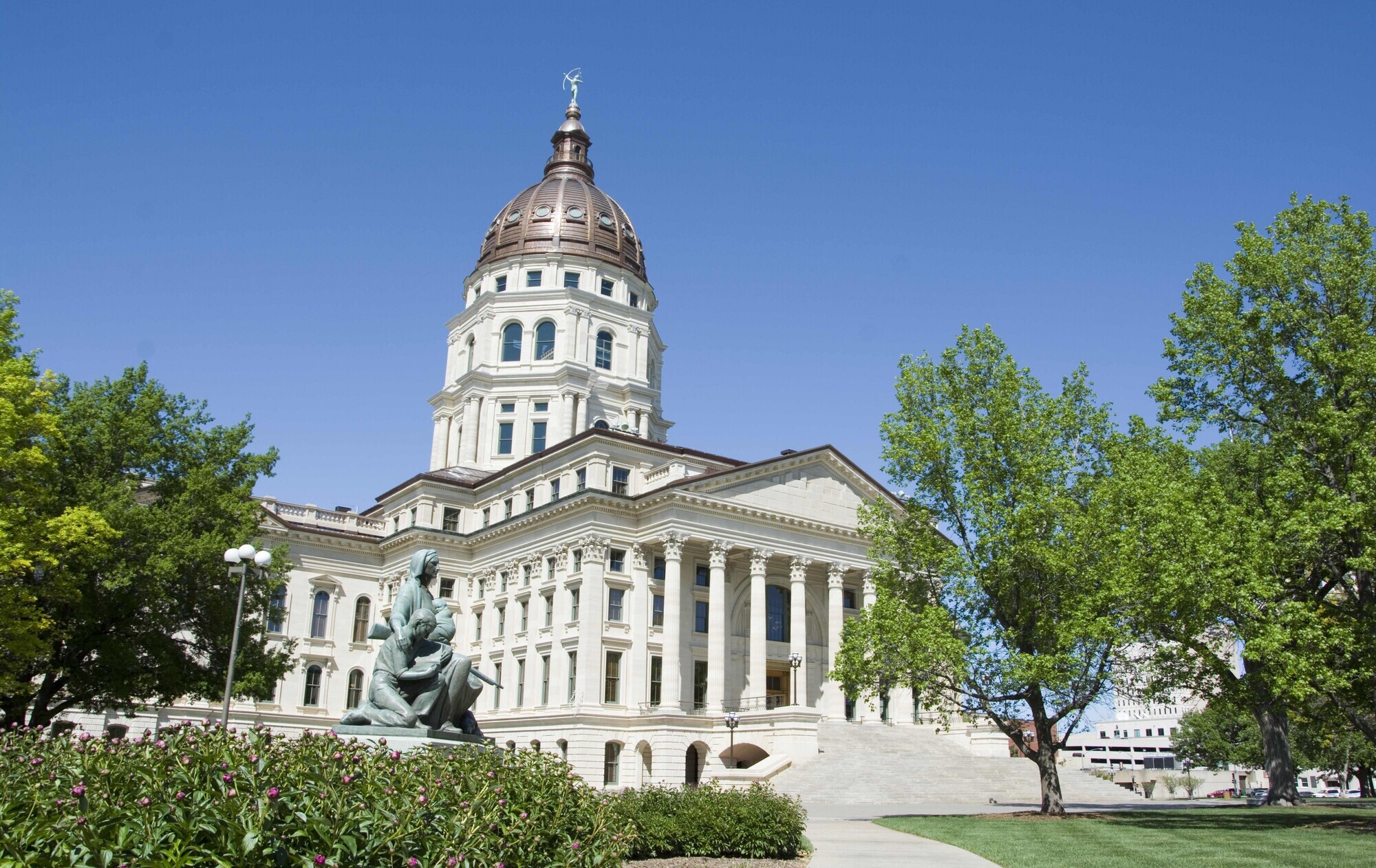
As state budgetary concerns loom in the background, early-stage firms in Kansas are hoping a bill to extend the Sunflower State’s Angel Investor Tax Credit program will become a priority for legislators.
Scheduled to sunset after the 2016 fiscal year, the program annually allocates $6 million in credits to entice investments in early-stage, growth-oriented companies in Kansas. HB 2405, which is now awaiting Kansas House approval, would extend the life of the program until 2021.
The bill’s future, however, is in limbo. Kansas faces a projected $600 million budgetary shortfall as a result of the legislature’s slashing of personal income taxes in 2012 and 2013. Legislators now are grappling with the choice to phase out what’s been a popular program, or spend some of the state’s limited dollars.
“It’s difficult right now, considering the budget situation,” said Chris Harris, Angel Investor Tax Credit program director. “But there’s cautious optimism (the bill will pass).”
Harris testifies before Kansas legislators each year, reporting on the program’s success since its 2005 launch. In its ten year life, the program has helped 298 companies raise more than $342.9 million in capital, which has allowed the firms to create 1,188 new jobs. Since 2012, the tax credits have helped create 549 jobs, according to the Kansas Department of Commerce.
The program is off to a hot start in 2015, too. Already more than 50 companies have applied for the credits by March 2015, which Harris said nearly doubles the volume of applications when compared to March 2014.
Melissa Roberts, marketing director for the Enterprise Center of Johnson County, said her organization’s angel investment arm, Mid-America Angels, seeks out the credits with each deal.Roberts said that the tax credits not only entice investors, but also mitigate the risk of backing an early-stage firm.
“The existing tax credits make Kansas companies more attractive to investors — from Kansas or any other state,” she said. “It allows angel investors to leverage their real investment in a company–and in some cases, encourages investors to tolerate a bit more risk or make a larger investment than they normally would.”
Roberts said that more than 20 states have implemented programs to attract or retain investment capital by way of income tax credits. On average, 4.1 new jobs are created for each angel investment made, according to the Center for Venture Research.

Featured Business

2015 Startups to Watch
stats here
Related Posts on Startland News

NBA hires Alight Analytics to collect, analyze data from fans’ social engagement
The volume of data created within a professional sports team’s fan base is enormous, said Matt Hertig, chief executive officer of Alight Analytics. “Being able to see all of that data together across all of the popular social channels — from Facebook, Youtube, Twitter, Instagram, Snapchat — in one place and really understand the correlation…

Photos: LaunchCode christens KC’s newest techies with graduation celebration
An Afghan immigrant. A mother of six. An English grad turned techie. A man now able to provide for his family. They’re all among the graduates and inspirational stories highlighted during LaunchCode’s graduation ceremony that recognized the newest members of Kansas City’s tech community. LaunchCode on Wednesday graduated 60 students from its rigorous LC101 coding…

Christian entrepreneur hopes to convert believers to veganism
Kris Taylor’s inspiration for a vegan, Christian lifestyle traces back to the first book of the Bible, she said. Modern people eat meat because of original sin and the fall of man, as described in Genesis, Taylor said. “But if you go back to the creation story in Genesis, every seed-bearing plant was given to…

Caffeine tours give ‘pub crawl’ experience for lovers of coffee, tea and chocolate
Escaping corporate life in New York, Jason Burton moved to Kansas City in 2004 and began pouring his work into a new passion. As a marketer for Kansas City’s Roasterie, Burton soon recognized coffee and tea lacked the social component of events and festivals that are more associated with specialty beverages like beer and wine.…