

Kansas budget woes render uncertainty for angel tax credits
May 2, 2015 | Bobby Burch
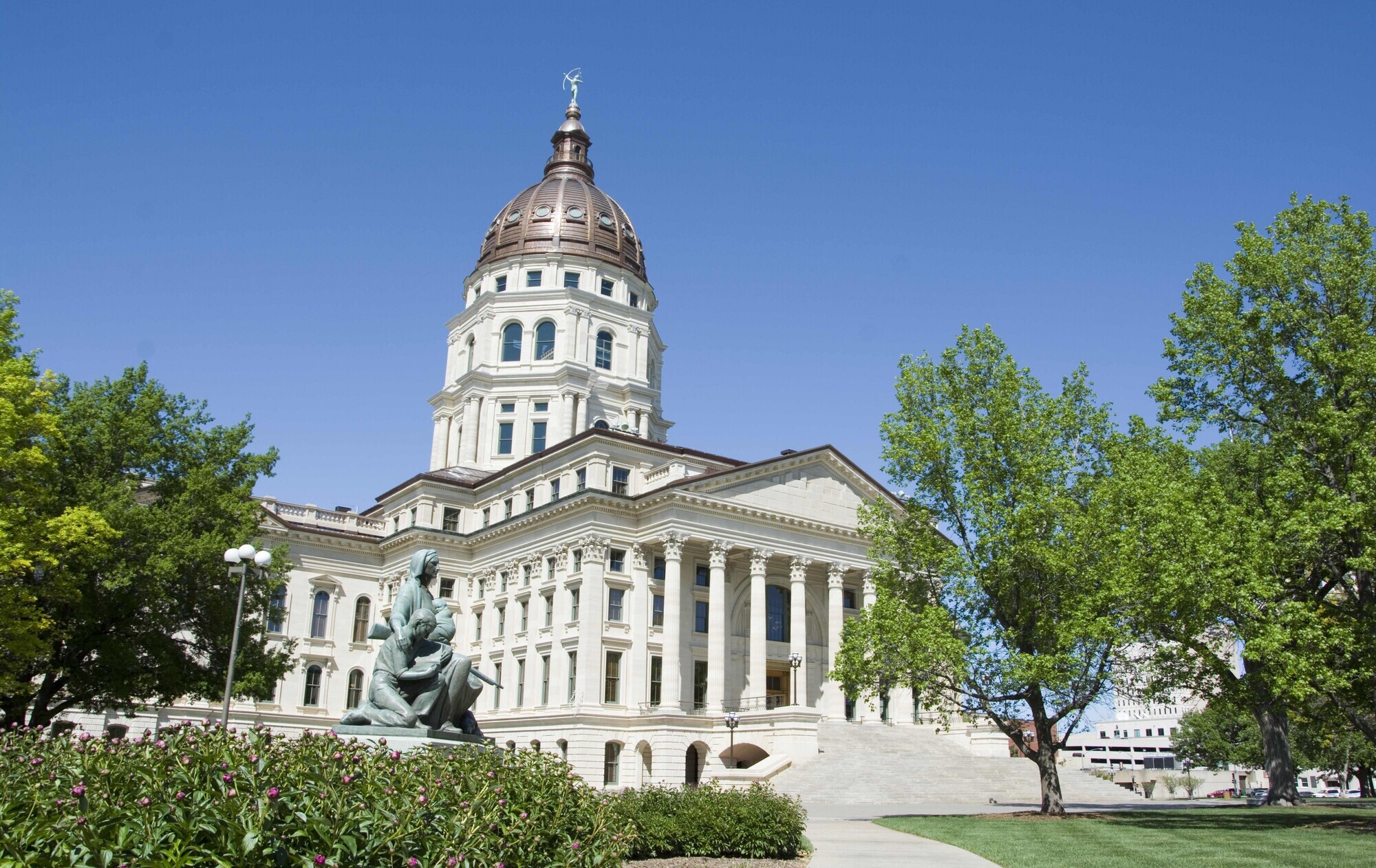
As state budgetary concerns loom in the background, early-stage firms in Kansas are hoping a bill to extend the Sunflower State’s Angel Investor Tax Credit program will become a priority for legislators.
Scheduled to sunset after the 2016 fiscal year, the program annually allocates $6 million in credits to entice investments in early-stage, growth-oriented companies in Kansas. HB 2405, which is now awaiting Kansas House approval, would extend the life of the program until 2021.
The bill’s future, however, is in limbo. Kansas faces a projected $600 million budgetary shortfall as a result of the legislature’s slashing of personal income taxes in 2012 and 2013. Legislators now are grappling with the choice to phase out what’s been a popular program, or spend some of the state’s limited dollars.
“It’s difficult right now, considering the budget situation,” said Chris Harris, Angel Investor Tax Credit program director. “But there’s cautious optimism (the bill will pass).”
Harris testifies before Kansas legislators each year, reporting on the program’s success since its 2005 launch. In its ten year life, the program has helped 298 companies raise more than $342.9 million in capital, which has allowed the firms to create 1,188 new jobs. Since 2012, the tax credits have helped create 549 jobs, according to the Kansas Department of Commerce.
The program is off to a hot start in 2015, too. Already more than 50 companies have applied for the credits by March 2015, which Harris said nearly doubles the volume of applications when compared to March 2014.
Melissa Roberts, marketing director for the Enterprise Center of Johnson County, said her organization’s angel investment arm, Mid-America Angels, seeks out the credits with each deal.Roberts said that the tax credits not only entice investors, but also mitigate the risk of backing an early-stage firm.
“The existing tax credits make Kansas companies more attractive to investors — from Kansas or any other state,” she said. “It allows angel investors to leverage their real investment in a company–and in some cases, encourages investors to tolerate a bit more risk or make a larger investment than they normally would.”
Roberts said that more than 20 states have implemented programs to attract or retain investment capital by way of income tax credits. On average, 4.1 new jobs are created for each angel investment made, according to the Center for Venture Research.

Featured Business

2015 Startups to Watch
stats here
Related Posts on Startland News

Convenience unlocked: Amazon now offering delivery directly to vehicles in KCK
Adding to its area delivery offerings, Amazon is turning trunks in Kansas City, Kansas, into mailboxes. The Seattle-based tech giant on Tuesday introduced in-car delivery options in 37 U.S. cities, allowing its Prime members to receive packages in their parked vehicle. Kansas City, Kansas, and St. Louis are the only cities in Kansas and Missouri…

Big food hall concept Parlor KC plans fall opening in Crossroads
Parlor KC, a collaborative food hall now under construction in the Crossroads Arts District, hopes to serve as a laboratory and incubation hub for area chefs and restaurateurs. Eyeing a fall opening in the east Crossroads, Parlor will offer chefs and restaurateurs a physical space to test dishes and concepts on diners that want variety…

Looking for nation’s lowest-cost small cities for startups? No. 9’s in the KC metro
A Kansas City suburb finds itself among the top 10 lowest-cost small cities for starting a business, according to a new nationwide report. Raytown, Missouri, lands at No. 9 on the ranking by personal finance website WalletHub — just below Cape Girardeau, Missouri, at No. 8. The rest of the top 10 is filled by…

Merit-based economy is an illusion ripe for AI disruption, talent coop founder says
Organizing Midwest talent to use artificial intelligence and machine learning to combat societal challenges like income inequality could be a powerful tool for a new generation of problem solvers, said Brian Curry. “I truly believe in the possibility of artificial intelligence for changing the way we look at jobs, income, capitalism, poverty, wealth disparity, disease…