

Kansas budget woes render uncertainty for angel tax credits
May 2, 2015 | Bobby Burch
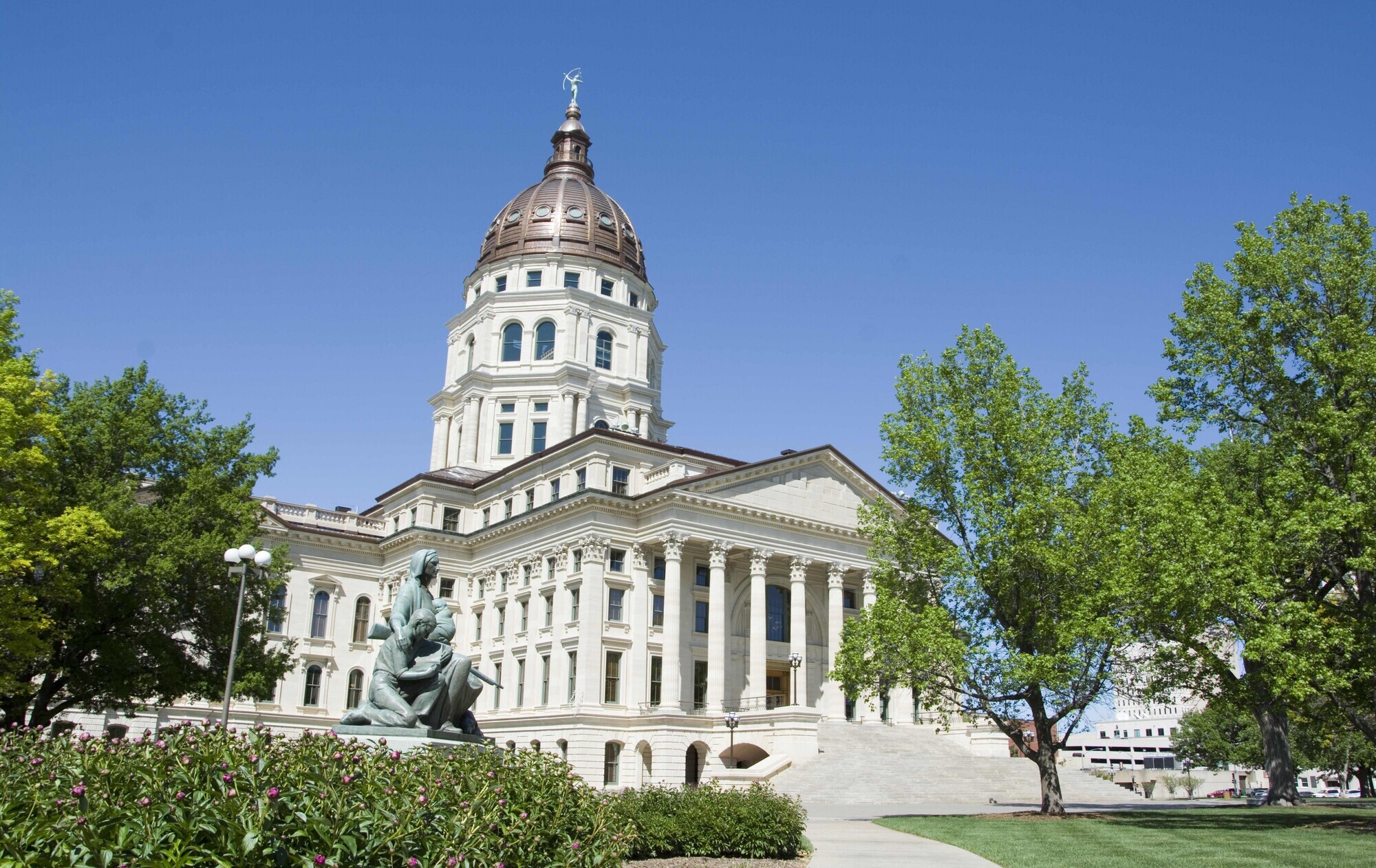
As state budgetary concerns loom in the background, early-stage firms in Kansas are hoping a bill to extend the Sunflower State’s Angel Investor Tax Credit program will become a priority for legislators.
Scheduled to sunset after the 2016 fiscal year, the program annually allocates $6 million in credits to entice investments in early-stage, growth-oriented companies in Kansas. HB 2405, which is now awaiting Kansas House approval, would extend the life of the program until 2021.
The bill’s future, however, is in limbo. Kansas faces a projected $600 million budgetary shortfall as a result of the legislature’s slashing of personal income taxes in 2012 and 2013. Legislators now are grappling with the choice to phase out what’s been a popular program, or spend some of the state’s limited dollars.
“It’s difficult right now, considering the budget situation,” said Chris Harris, Angel Investor Tax Credit program director. “But there’s cautious optimism (the bill will pass).”
Harris testifies before Kansas legislators each year, reporting on the program’s success since its 2005 launch. In its ten year life, the program has helped 298 companies raise more than $342.9 million in capital, which has allowed the firms to create 1,188 new jobs. Since 2012, the tax credits have helped create 549 jobs, according to the Kansas Department of Commerce.
The program is off to a hot start in 2015, too. Already more than 50 companies have applied for the credits by March 2015, which Harris said nearly doubles the volume of applications when compared to March 2014.
Melissa Roberts, marketing director for the Enterprise Center of Johnson County, said her organization’s angel investment arm, Mid-America Angels, seeks out the credits with each deal.Roberts said that the tax credits not only entice investors, but also mitigate the risk of backing an early-stage firm.
“The existing tax credits make Kansas companies more attractive to investors — from Kansas or any other state,” she said. “It allows angel investors to leverage their real investment in a company–and in some cases, encourages investors to tolerate a bit more risk or make a larger investment than they normally would.”
Roberts said that more than 20 states have implemented programs to attract or retain investment capital by way of income tax credits. On average, 4.1 new jobs are created for each angel investment made, according to the Center for Venture Research.

Featured Business

2015 Startups to Watch
stats here
Related Posts on Startland News

Missouri ranks 7th in electric vehicle use, but access to charging remains a key barrier
Editor’s note: This story is part of a series on climate change in the Kansas City region produced by the KC Media Collective to support and enhance local journalism so every person in Kansas City can lead a richer life. Members of the KC Media Collective are KCUR 89.3, American Public Square, Kansas City PBS/Flatland, Missouri Business Alert, Startland…

Junior Achievement honoring Ruby Jean’s founder with its 2022 KC Innovator Award
A group hoping to inspire the next generation of leaders, thinkers and doers has tapped a young entrepreneur with a healthy appetite for expansion as its next KC Innovator Award winner. Chris Goode, founder of Ruby Jean’s Juicery, is set to be honored with the award Nov. 1 during the Junior Achievement of Kansas City’s…

Put a ring in it: Journey Pro enters the ‘Era of Agnes’ with new location on KC’s East Side
Founder combines passion for wrestling, fighting cancer in latest show Every window was broken. A solid foot of trash covered the floor. And there was a strange smell coming from the bathrooms. Yet, DJ Stewart stepped into the abandoned section of the Agnes Arts Center and knew it was going to be the perfect home…

Real-world ready: Honeywell partners with local high schools, offering full-time careers to Grandview graduates
Simon Williams wasn’t interested in college; he instead saw a professional path after high school that avoided costly and time-wasting diversions. “I just didn’t want to start my career four years later, with almost $100,000 in the hole,” said the recent Grandview graduate and new hire at Honeywell as an assembler adjuster. The U.S. Department…