

Kansas budget woes render uncertainty for angel tax credits
May 2, 2015 | Bobby Burch
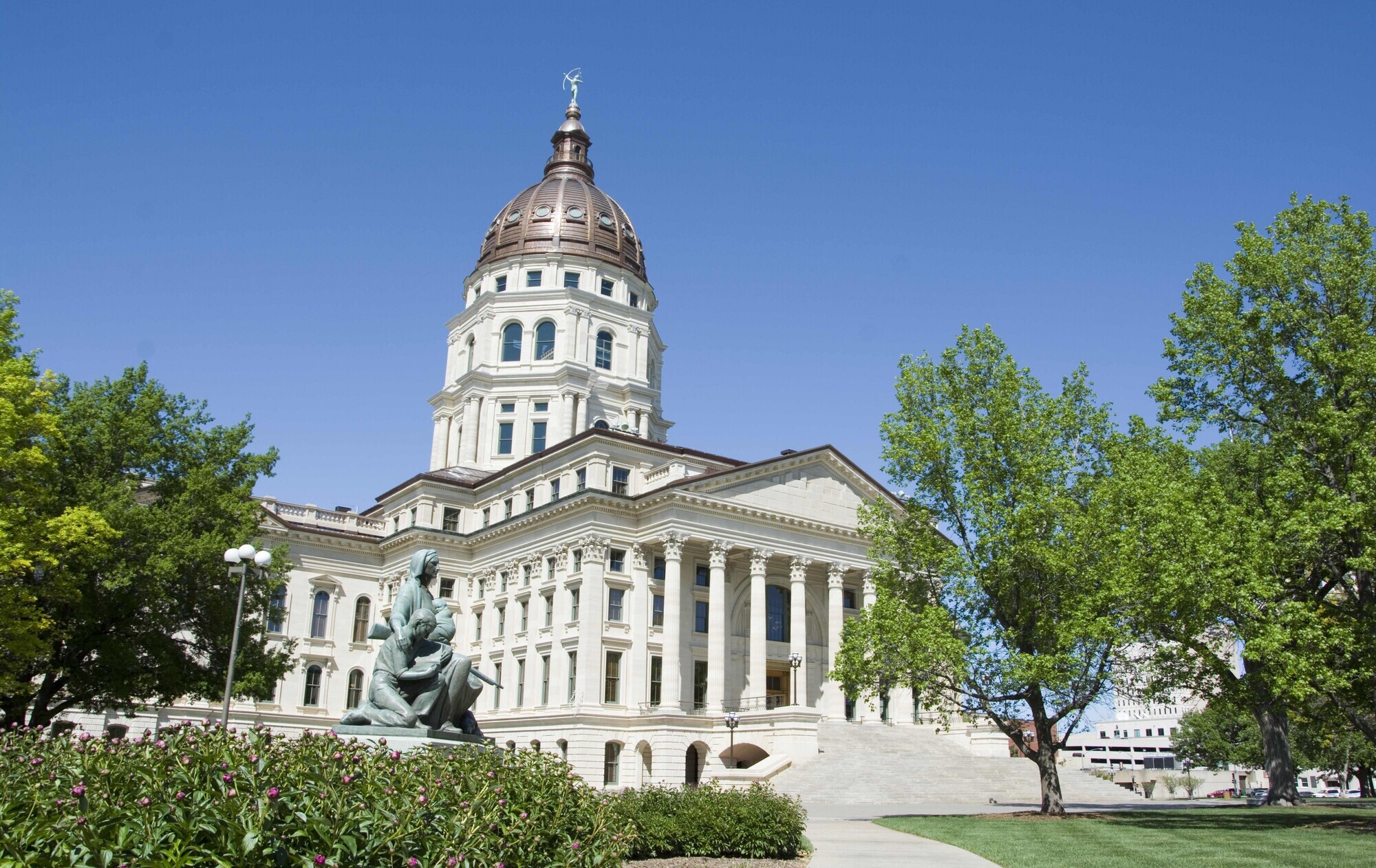
As state budgetary concerns loom in the background, early-stage firms in Kansas are hoping a bill to extend the Sunflower State’s Angel Investor Tax Credit program will become a priority for legislators.
Scheduled to sunset after the 2016 fiscal year, the program annually allocates $6 million in credits to entice investments in early-stage, growth-oriented companies in Kansas. HB 2405, which is now awaiting Kansas House approval, would extend the life of the program until 2021.
The bill’s future, however, is in limbo. Kansas faces a projected $600 million budgetary shortfall as a result of the legislature’s slashing of personal income taxes in 2012 and 2013. Legislators now are grappling with the choice to phase out what’s been a popular program, or spend some of the state’s limited dollars.
“It’s difficult right now, considering the budget situation,” said Chris Harris, Angel Investor Tax Credit program director. “But there’s cautious optimism (the bill will pass).”
Harris testifies before Kansas legislators each year, reporting on the program’s success since its 2005 launch. In its ten year life, the program has helped 298 companies raise more than $342.9 million in capital, which has allowed the firms to create 1,188 new jobs. Since 2012, the tax credits have helped create 549 jobs, according to the Kansas Department of Commerce.
The program is off to a hot start in 2015, too. Already more than 50 companies have applied for the credits by March 2015, which Harris said nearly doubles the volume of applications when compared to March 2014.
Melissa Roberts, marketing director for the Enterprise Center of Johnson County, said her organization’s angel investment arm, Mid-America Angels, seeks out the credits with each deal.Roberts said that the tax credits not only entice investors, but also mitigate the risk of backing an early-stage firm.
“The existing tax credits make Kansas companies more attractive to investors — from Kansas or any other state,” she said. “It allows angel investors to leverage their real investment in a company–and in some cases, encourages investors to tolerate a bit more risk or make a larger investment than they normally would.”
Roberts said that more than 20 states have implemented programs to attract or retain investment capital by way of income tax credits. On average, 4.1 new jobs are created for each angel investment made, according to the Center for Venture Research.

Featured Business

2015 Startups to Watch
stats here
Related Posts on Startland News

‘If you don’t own yourself, you own nothing’: Why one founder says he’ll relocate his business if Kansas bans abortion
Editor’s note: This story is part of a series on the 2022 election produced by the KC Media Collective, an initiative designed to support and enhance local journalism. Members of the KC Media Collective include Startland News, Missouri Business Alert, Kansas City PBS/Flatland, KCUR, The Kansas City Beacon and American Public Square. Andrew Morgans has…
Shop Local KC gets minimalist makeover as local maker retailer opens Leawood store
Katie Mabry van Dieren is no stranger to the Ranch Mart Shopping Center in Leawood, the Shop Local KC owner said, returning to her roots this weekend to open a second location for her Kansas City maker retail store. “One of my greatest childhood memories was riding my bike to Ranch Mart and either getting…

KC wants to be the nation’s most equitable hub for biologics; prestigious MIT pick could help
Biologics is the entryway to personalized medicine, said Sonia Hall, and Kansas City is aiming to create the most inclusive hub for the development, production and distribution of biologics as part of its acceptance to the Massachusetts Institute of Technology Regional Entrepreneurship Acceleration Program. “When you talk about personalized medicine, you’re talking about greater equity…
PropTechHD looks beyond the façade of drone use to see sky-high potential for capturing high-quality data
A lot can go wrong when flying a drone around a high-rise building, acknowledged Andrew Patch. Think restricted airspace, pigeons, hawks, turbulence, swirling winds, pressure changes, trees, powerlines, and other unexpected obstacles. But behind the sticks of a controller, Patch steers into the challenge. In February 2017, he founded Heartland Drone Company, an Federal Aviation…