

Kansas budget woes render uncertainty for angel tax credits
May 2, 2015 | Bobby Burch
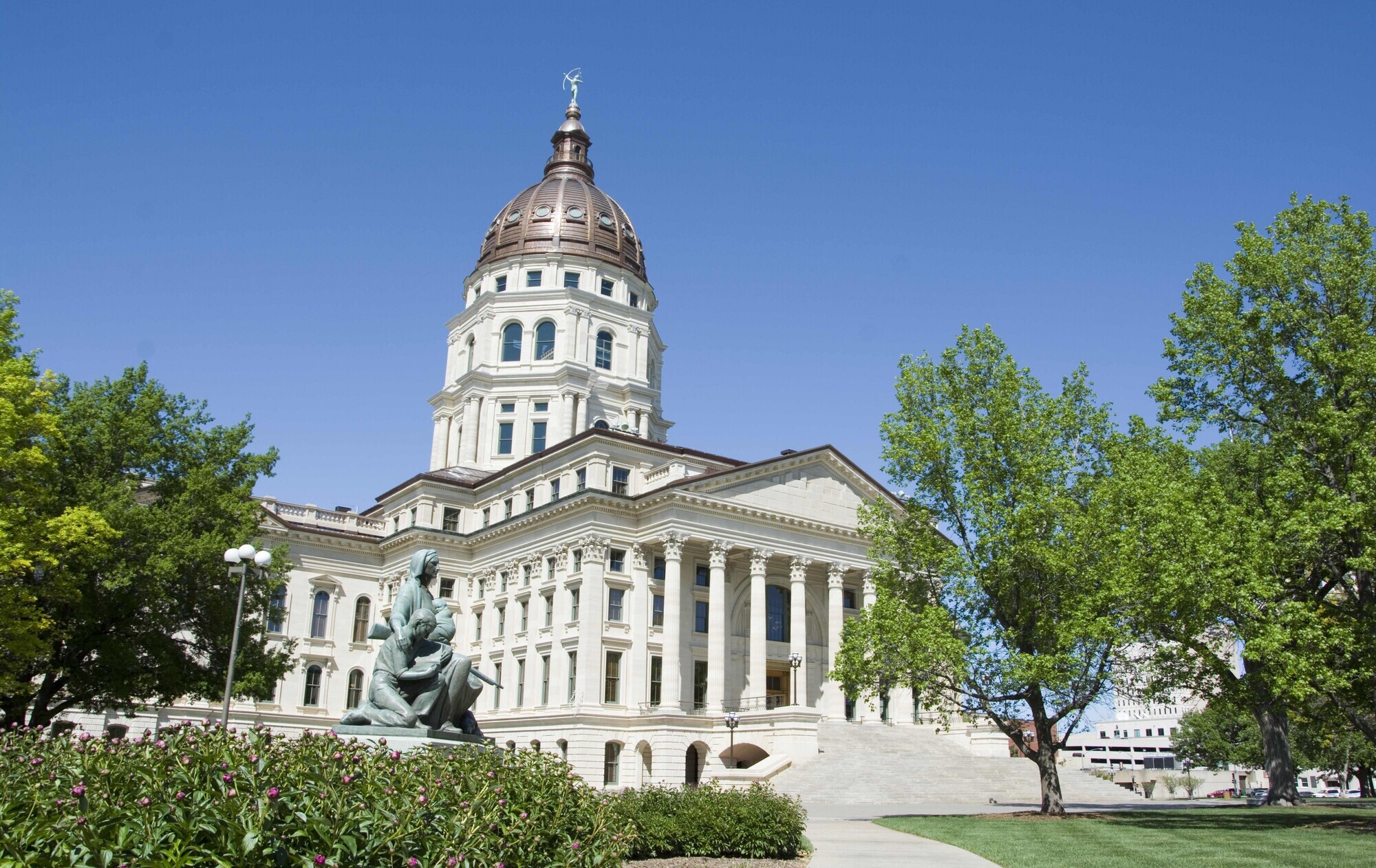
As state budgetary concerns loom in the background, early-stage firms in Kansas are hoping a bill to extend the Sunflower State’s Angel Investor Tax Credit program will become a priority for legislators.
Scheduled to sunset after the 2016 fiscal year, the program annually allocates $6 million in credits to entice investments in early-stage, growth-oriented companies in Kansas. HB 2405, which is now awaiting Kansas House approval, would extend the life of the program until 2021.
The bill’s future, however, is in limbo. Kansas faces a projected $600 million budgetary shortfall as a result of the legislature’s slashing of personal income taxes in 2012 and 2013. Legislators now are grappling with the choice to phase out what’s been a popular program, or spend some of the state’s limited dollars.
“It’s difficult right now, considering the budget situation,” said Chris Harris, Angel Investor Tax Credit program director. “But there’s cautious optimism (the bill will pass).”
Harris testifies before Kansas legislators each year, reporting on the program’s success since its 2005 launch. In its ten year life, the program has helped 298 companies raise more than $342.9 million in capital, which has allowed the firms to create 1,188 new jobs. Since 2012, the tax credits have helped create 549 jobs, according to the Kansas Department of Commerce.
The program is off to a hot start in 2015, too. Already more than 50 companies have applied for the credits by March 2015, which Harris said nearly doubles the volume of applications when compared to March 2014.
Melissa Roberts, marketing director for the Enterprise Center of Johnson County, said her organization’s angel investment arm, Mid-America Angels, seeks out the credits with each deal.Roberts said that the tax credits not only entice investors, but also mitigate the risk of backing an early-stage firm.
“The existing tax credits make Kansas companies more attractive to investors — from Kansas or any other state,” she said. “It allows angel investors to leverage their real investment in a company–and in some cases, encourages investors to tolerate a bit more risk or make a larger investment than they normally would.”
Roberts said that more than 20 states have implemented programs to attract or retain investment capital by way of income tax credits. On average, 4.1 new jobs are created for each angel investment made, according to the Center for Venture Research.

Featured Business

2015 Startups to Watch
stats here
Related Posts on Startland News

Google’s $100K ‘stamp of approval’ for PlaBook reads like validation for KC-built edtech startup
Kansas City expatriate PlaBook is set to receive $100,000 from Google’s initiative to provide funding to Black-led startups. But for Philip Hickman, it’s not just about the funding, he said. It’s also a credibility boost. “We were happy to receive an investment from Google,” the edtech startup founder said. “It’s a stamp of approval to…

KC’s first Hispanic beer company craft-brews conversations beyond stereotypes
Defining his own cultural identity has been a lifelong struggle for Damon Arredondo, the longtime brewer said. Coming from a mixed-cultural background, Arredondo often felt as if there was “a checklist” that decided whether or not he was able to identify with his heritage, he shared. “Only recently in the last five year have I…

Veteran entrepreneur finds security in pizza, opening new Rosati’s in south Overland Park
Bob Ring sold his homegrown company of 25 years — then got a job delivering pizzas. All part of the recipe for the longtime Kansas City businessman who — despite his decades of experience — initially found banks hesitant to lend to him during the pandemic as he worked to open his own pizzeria in…

Camel Culture tastes like home: How a Missouri dairy’s milk fills a void when everything else seems foreign
Startland News’ Startup Road Trip series explores innovative and uncommon ideas finding success in rural America and Midwestern startup hubs outside the Kansas City metro. This series is possible thanks to the Ewing Marion Kauffman Foundation, which leads a collaborative, nationwide effort to identify and remove large and small barriers to new business creation. MILLER,…